Elevating Scaffolding – Masonry Scaffolding – Motorized Scaffolding

Elevating Scaffolding – Masonry Scaffolding – Motorized Scaffolding
Where to Buy EZ Scaffold for Sale in 2026?
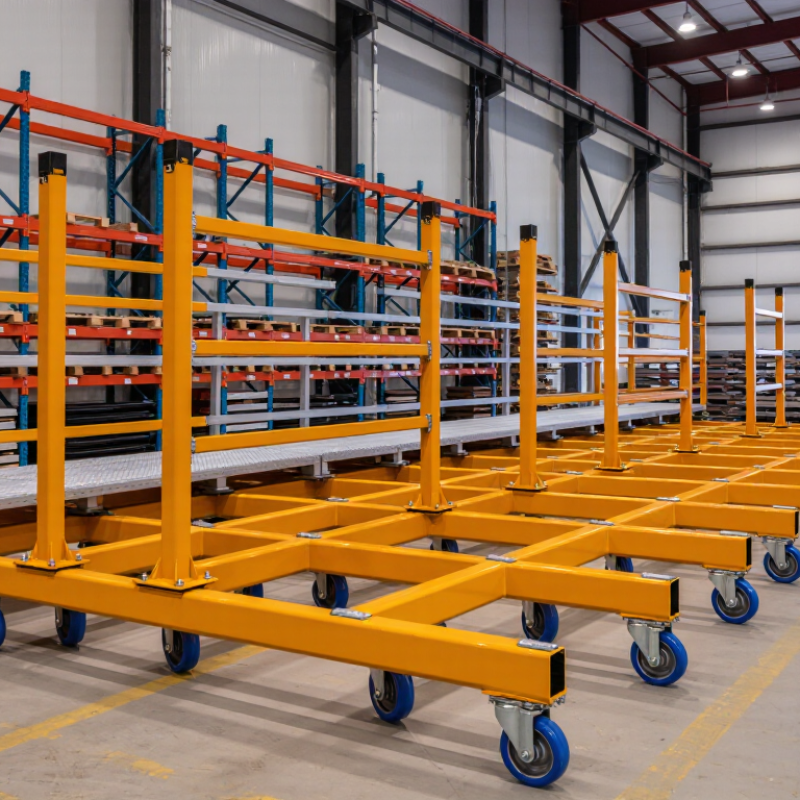
Finding ez scaffold for sale in 2026 takes more than comparing prices. Buyers can check manufacturer websites, authorized distributors, established equipment dealers, and reputable resale marketplaces. Each option has trade-offs. New equipment may offer clearer warranty coverage, while used frames can cost less but need closer inspection.
Before requesting a quote, identify the scaffold type, working height, platform dimensions, and expected load. Ask for written specifications, compatible components, current inventory, delivery costs, and warranty terms. Clear answers matter. A seller should be able to explain what is included, such as frames, braces, decks, casters, or guardrails. Missing pieces can change the real cost.
For used equipment, request recent photographs and inspect welds, locks, base plates, and platform surfaces in person when possible. Check that parts fit together and show no obvious damage or excessive wear. A low quote can hide freight charges or hard-to-find components. It happens.
Compare suppliers using the same configuration, then confirm lead times and return conditions in writing. Product requirements and accepted safety practices can vary by location and job, so consult qualified professionals and relevant local guidance before purchase or use. This guide explores where to find ez scaffold for sale, what questions to ask, and how to compare options with care. Not every listing will be a good fit; a little skepticism is useful.
Understanding EZ Scaffold Types and Project Requirements
Where to Buy EZ Scaffold for Sale in 2026?
Understanding EZ Scaffold Types and Project Requirements
Choosing scaffold starts with the work, not the listing. Frame systems suit straightforward wall access, while modular systems can adapt to uneven layouts or more complex structures. Rolling towers help with indoor tasks that require frequent repositioning, but they need a firm, level surface. Check the working height, platform size, load rating, and access method before comparing prices. A low price means little if the platform cannot hold workers, tools, and materials safely.
Tips: Measure the work area and note floor conditions. Confirm that components are compatible and complete. Ask for clear load-rating details and inspect used equipment for bent frames, damaged braces, or worn locking parts.
When searching for EZ scaffold for sale in 2026, compare suppliers by product specifications, available components, delivery timing, and support for setup questions. Request written details rather than relying on a short product description. For projects near overhead obstacles or on sloped ground, get advice from a qualified scaffold professional before selecting a configuration. I’ve seen planning overlook the route through a doorway; a tower that fits the work area may still be difficult to move into place. Check dimensions at every stage.
Where to Buy EZ Scaffold for Sale in 2026? — Understanding EZ Scaffold Types and Project Requirements
Use this comparison to identify a suitable scaffold category, assess project needs, and choose an appropriate purchasing or rental channel. Confirm local regulations and product specifications before use.
| Scaffold Type | Typical Project Use | Key Requirements to Assess | Common Buying or Rental Channel | Checks Before Ordering |
|---|---|---|---|---|
| Frame scaffold | Exterior construction, masonry, painting, and maintenance on relatively straight building elevations. | Required working height, bay length, platform width, access method, ground conditions, and expected load. | Construction-equipment suppliers, scaffold distributors, and local rental companies. | Confirm that frames, braces, pins, platforms, and access components are compatible and supplied as specified. |
| Mobile scaffold tower | Indoor or outdoor maintenance and installation where workers need a movable elevated platform. | Working height, tower dimensions, floor condition, wheel type, stabilizers, and whether movement while occupied is prohibited by applicable rules. | Equipment rental providers and suppliers of modular access equipment. | Check the permitted configuration, locking castors, guardrails, access ladder, and instructions for assembly and movement. |
| System scaffold | Complex elevations, industrial maintenance, structures with changing geometry, and projects requiring adaptable layouts. | Connection system, load duty, required plan, tie locations, clearances, and the need for a competent design review. | Specialist scaffold suppliers, rental firms, and access-equipment distributors. | Request configuration drawings and verify that all components belong to the specified system and meet project requirements. |
| Tube-and-coupler scaffold | Irregular structures and work areas where scaffold geometry must be adapted around obstacles. | Tube dimensions, coupler compatibility, tie pattern, bracing, platform arrangement, and design requirements. | Scaffold-material suppliers and specialist rental or scaffold contractors. | Check component condition, connector compatibility, inspection records where available, and whether a designed solution is required. |
| Suspended scaffold | Facade work where a platform is supported from above, such as certain inspection, repair, or finishing tasks. | Support structure, suspension points, rated capacity, hoists, independent lifelines, fall protection, and emergency procedures. | Specialist access-equipment providers and qualified contractors; rental is common for short-duration projects. | Require a site-specific assessment, suitable anchorage verification, trained operators, and compliance with local safety rules. |
| Stair or stair-tower access | Providing repeated access between scaffold levels on larger or longer-duration projects. | Access frequency, available footprint, landing layout, handrails, connection to the scaffold, and user traffic. | Scaffold-system suppliers and rental companies offering compatible access components. | Confirm the tower is compatible with the main scaffold and that the access route is planned and protected. |
| Buying new equipment | Frequent or long-term use when ownership, storage, and maintenance can be managed. | Expected utilization, transport, storage space, inspection, replacement parts, and total ownership cost. | Established scaffold distributors, construction-equipment dealers, and manufacturers’ authorized sales channels. | Compare written specifications, load information, warranty terms, spare-part availability, and delivery details. |
| Renting equipment | Short-term work, occasional projects, or jobs with changing scaffold requirements. | Rental duration, delivery and collection, assembly support, component availability, and site access. | Local equipment rental companies and specialist scaffold rental providers. | Agree on the inventory, condition at delivery, return requirements, and responsibility for inspection and assembly. |
Project-planning note: “EZ scaffold” may be used as a product or search term, but scaffold types and component systems are not automatically interchangeable. Confirm the exact configuration, intended use, load capacity, assembly instructions, and applicable local requirements with a competent professional before purchase or use.
Related Posts
-
China Best Non Stop Scaffolding Manual for Global Buyers?
-
2026 Top Non Stop Scaffolding Manual Buying Guide
-
What Is the Best Workhorse Scaffolding from China?
-

What Is Workhorse Scaffolding and How Does It Work?
-

How to Choose EZ Scaffolding Suppliers in 2026
-

What Is a Non Stop Scaffolding Manual and How Does It Work?