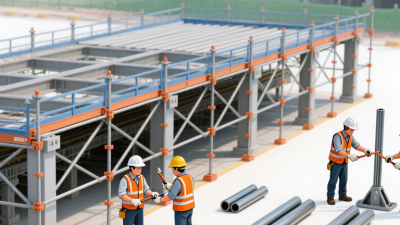
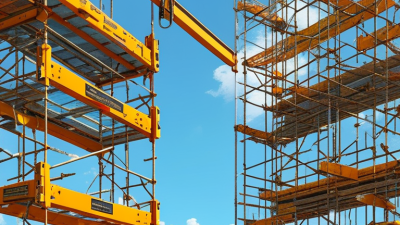
Workhorse scaffolding is not a formal engineering category. It describes dependable scaffold systems built for repeated, demanding site use. The phrase suggests strength, practicality, and routine performance. Yet reliability cannot be judged by appearance alone. A heavily loaded platform may look stable while hiding weak couplers, uneven bases, or incomplete guardrails.
The Occupational Safety and Health Administration reports that approximately 2.3 million construction workers use scaffolds each year. OSHA also estimates about 4,500 scaffold-related injuries and 50 deaths annually. These figures show why design, assembly, inspection, and user training must operate as one system. The Scaffold & Access Industry Association’s Code of Safe Practice reinforces this approach through guidance on competent supervision, access, fall protection, and load control.
David Michaels, former Assistant Secretary of Labor for Occupational Safety and Health, stated, “Safety and health must be part of the way we do business every day.” His words apply directly to workhorse scaffolding. Safety cannot be added after installation. It must shape every decision, from ground preparation to dismantling.
This article examines how workhorse scaffolding works in real conditions. It follows the load path through standards, frames, braces, platforms, and connections. It also considers weather, movement, worker habits, and inspection quality. These details matter.
The term can mislead. “Workhorse” does not mean indestructible. A strong scaffold can still fail through poor planning, overloading, or neglected inspection. Readers should verify local requirements and manufacturer instructions before applying any system on site.
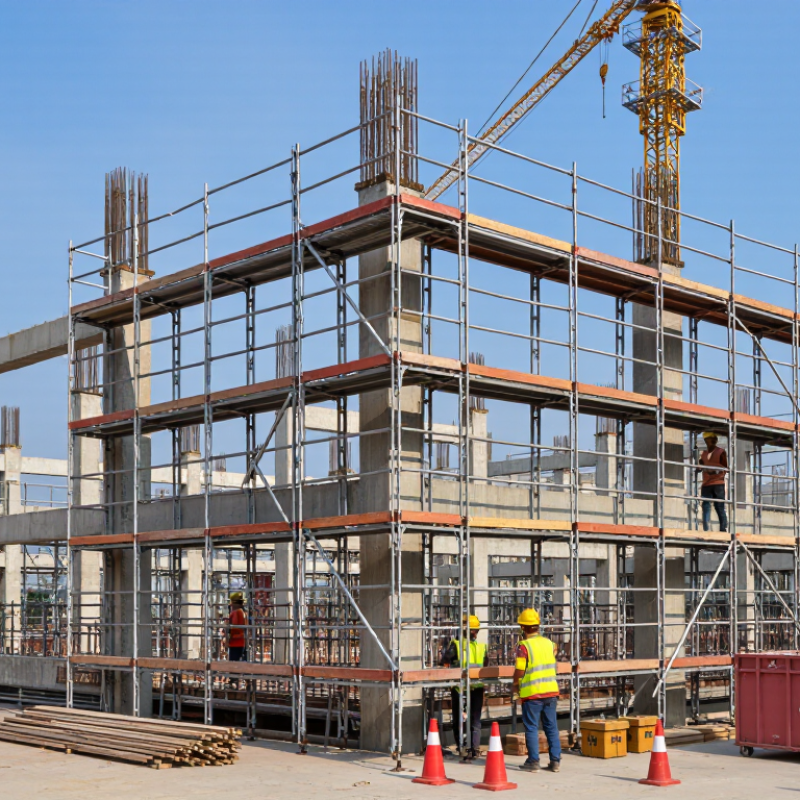
Workhorse scaffolding is a practical term for strong, reusable scaffold systems built for demanding site work. It is not always a formal product classification. Instead, “workhorse” describes dependable equipment that supports workers, tools, and materials throughout repeated tasks.
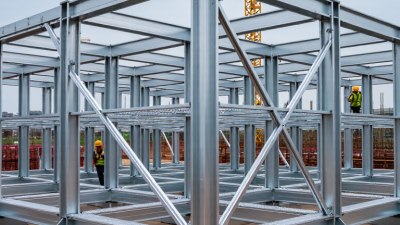
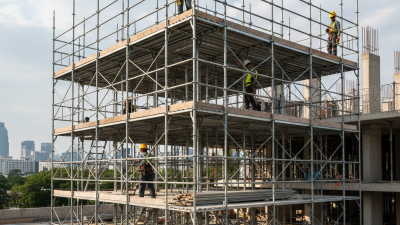
Its core purpose is to create a stable, elevated work platform. Typical components include frames, braces, platforms, guardrails, base plates, and adjustable supports. Crews assemble these parts into a planned structure around buildings, industrial areas, or repair zones. The scaffold transfers weight through its legs and supporting surfaces. It also provides safer access than makeshift ladders or unstable platforms.
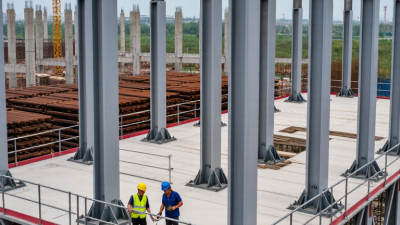
Load capacity is central to the definition. A competent supervisor should match the scaffold to the expected workers, tools, stored materials, and weather conditions. It must stay stable. Ground conditions matter too. Soft soil, uneven concrete, or missing base support can create serious movement.
In practical use, experienced crews inspect connections before every shift. They check locking pins, braces, platforms, guardrails, and access points. They also confirm that the structure remains plumb after nearby work or strong wind. The term can sound reassuring, but heavy-duty does not mean risk-free. Overloading, poor assembly, and skipped inspections can defeat a strong design. Workhorse scaffolding works best when its capacity, layout, and condition are treated as engineering decisions rather than assumptions.
Workhorse scaffolding describes a rugged, adaptable scaffold system for demanding construction work. The term is practical, not always a formal industry classification. It usually refers to equipment designed for repeated use, steady loading, and changing site conditions. The design begins at ground level. Base plates or adjustable jacks spread loads across a firm foundation. Uprights carry vertical forces, while ledgers connect them horizontally. These connections create stable working bays. Small details matter.
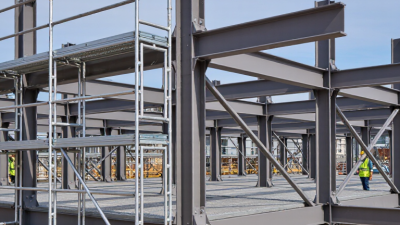
Main components include frames, cross braces, platforms, guardrails, and toe boards. Frames establish the scaffold’s shape and working height. Cross braces resist sideways movement caused by wind, worker motion, and uneven loading. Platforms should sit securely on supporting members without dangerous gaps. Guardrails protect open edges, while toe boards help prevent tools from sliding below. On a real setup, I check locking pins twice. It sounds excessive, but missed connections can weaken the entire assembly.
Structural design depends on load paths, bay spacing, height, and anchorage. A competent person should verify the ground, load capacity, access points, and tie-in locations before use. Ties connect the scaffold to a stable structure when height or exposure increases. Heavy materials should remain close to supporting frames, not stacked at platform edges. Mobile versions require locked casters and level surfaces. I have seen plans adjusted after the first inspection, because actual ground conditions differed from drawings. That is not failure; it is useful evidence. Still, a stronger design review should have identified the problem earlier. Regular inspections remain essential after relocation, impact, severe weather, or modification.
Workhorse scaffolding usually refers to a sturdy, reusable scaffold system built for demanding site work.
Its strength comes from properly connected frames, braces, platforms, and base supports. Assembly must follow the system’s instructions and the site’s safety requirements. A trained, competent person should supervise the process.
Begin by checking every component for bends, cracks, heavy rust, or missing locking parts. Clear loose materials from the ground. Place firm base plates or adjustable jacks on stable, level surfaces. Small height differences matter. They can make the whole structure lean. Set the first frames carefully, then install cross braces to prevent movement. Keep checking the scaffold with a level as it rises.
Add working platforms only after the frame is stable.
Secure each platform against shifting. Fit guardrails and toe boards around exposed edges. Provide a safe internal access route, such as an approved ladder system.
Taller structures may need ties to the building, depending on their height, location, and design. Wind can change the risk quickly. Do not rely on visual judgment alone.
A useful field check is simple: shake nothing into place.
Every connection should lock deliberately. One common mistake is correcting an uneven base with loose timber or scrap material. That practice deserves reconsideration. Use suitable, load-rated components instead.
Before anyone climbs, a qualified inspector should verify the structure, access, platform loading, and surrounding hazards. Recheck it after strong weather, alteration, or impact.
What Is Workhorse Scaffolding and How Does It Work?
Workhorse scaffolding is a durable, reusable access system built for demanding work areas. Its operating principle is simple: distribute loads through frames, braces, platforms, and a stable base. Properly connected components create a rigid structure that supports workers, tools, and approved materials. Guardrails, toe boards, safe access points, and secure platforms reduce common working risks. Every setup should follow the manufacturer’s instructions and local safety requirements.
Its typical applications include masonry, exterior repairs, painting, building maintenance, and industrial inspections. Crews can adjust platform heights as the project changes. In practice, layouts rarely remain perfect. Uneven ground, tight corners, and changing material loads can challenge even experienced teams. A small planning mistake may create movement or blocked access. Competent inspections, clear load limits, and routine checks are therefore essential. Weather also matters, especially strong wind and wet platforms.
Tips: Place the base on firm, level support. Inspect braces and connections before each shift. Keep platforms tidy and avoid exceeding their rated capacity. Mark access routes clearly. A short site briefing helps, though it cannot replace a careful inspection. When the structure feels unstable, stop and reassess it.
| Data Dimension | Operating Principle or Characteristic | Typical Data or Configuration | Typical Applications | Key Safety and Use Considerations |
|---|---|---|---|---|
| Definition | A workhorse scaffold is a practical, reusable access and work platform designed for routine construction, maintenance, finishing, and repair activities. | Usually refers to robust modular or frame-based scaffolding rather than a single standardized scaffold type. | General building work, industrial maintenance, painting, plastering, masonry, and installation tasks. | The exact design must be selected according to the structure, work activity, load, height, site conditions, and applicable regulations. |
| Primary Function | Provides a temporary elevated platform and a safe means of access for workers, tools, and controlled quantities of materials. | Work decks are supported by standards, frames, braces, brackets, or other designed structural members. | Tasks that cannot be performed safely or efficiently from ground level, ladders, or permanent floors. | Platforms should be fully supported, properly decked, kept clear of unnecessary materials, and protected against unauthorized alteration. |
| Load Transfer | Loads are transferred from the platform through transoms, ledgers, frames, or brackets to vertical supports and then into the ground or supporting structure. | Load capacity depends on the scaffold system, bay arrangement, deck type, tie pattern, foundation, and intended duty rating. | Supporting workers, hand tools, light equipment, and materials within the approved working load. | Do not exceed the designed duty rating. Concentrated loads, stored materials, hoists, and debris may require a specific engineering review. |
| Stability | Stability is achieved through a combination of a suitable base, vertical alignment, bracing, ties, guardrails, and correctly installed connections. | Common stability elements include base plates, adjustable base jacks, diagonal braces, scaffold ties, and stabilizers. | Outdoor and indoor work where the scaffold must resist movement caused by use, wind, vibration, or uneven loading. | Never remove braces, ties, guardrails, or platforms without authorization and an approved temporary or permanent alternative. |
| Working Height | Height is built up by adding compatible frames, standards, platforms, and access components in a planned sequence. | There is no universal height limit; allowable height depends on the system design, configuration, foundation, ties, wind exposure, and local rules. | Low-rise maintenance, multi-story construction, façade work, and industrial access. | Higher scaffolds generally require more detailed design controls, stronger ties, additional bracing, and formal inspection arrangements. |
| Platform Arrangement | Platforms create a stable surface for work and may be arranged at one or several working levels. | Decking may consist of purpose-designed metal, timber, or composite scaffold boards compatible with the supporting system. | Bricklaying, rendering, cladding, painting, mechanical installation, and inspection work. | Platforms should be securely positioned, adequately supported, free from dangerous gaps, and protected from slipping or displacement. |
| Edge Protection | Guardrails, midrails, toe boards, and properly protected access points reduce the risk of falls and falling objects. | Protection normally includes a top guardrail, an intermediate rail or equivalent protection, and toe protection where required. | Any elevated work area where workers, tools, or materials could fall from an exposed edge. | Requirements vary by jurisdiction and height. Edge protection must remain in place while the platform is accessible for work. |
| Access and Egress | Workers reach platforms through designed access components rather than climbing on braces, guardrails, or the outside of the scaffold. | Typical access includes internal ladders, stair towers, stair units, or secured access bays. | Frequent movement between ground level and elevated work platforms. | Access routes should be unobstructed, adequately lit, secured, and suitable for the expected traffic and material-handling method. |
| Typical System Types | Workhorse scaffolding may use standardized components assembled into a configuration suited to the work area. | Common forms include supported frame scaffolds, tube-and-fitting scaffolds, modular system scaffolds, mobile scaffolds, and cantilever arrangements. | Different combinations support straight façades, irregular structures, restricted spaces, indoor work, and short-duration tasks. | Components from different systems should not be mixed unless compatibility and structural performance have been verified. |
| Mobility | Some smaller scaffold units are mounted on lockable casters so they can be repositioned without dismantling. | Mobile towers are generally intended for firm, level surfaces and controlled movement over short distances. | Electrical installation, interior finishing, warehouse maintenance, lighting work, and repeated access along a level area. | Lock casters before use. Workers, tools, and loose materials should not remain on the tower while it is being moved unless specifically permitted by the design and rules. |
| Foundation and Ground Conditions | The base must distribute loads and maintain level, alignment, and stability throughout the work period. | Base plates, sole boards, adjustable jacks, or engineered supports may be required depending on ground conditions. | Construction sites, paved areas, compacted soil, industrial floors, and uneven external locations. | Do not support scaffolding on unstable soil, loose blocks, improvised packing, or unverified surfaces. Drainage and settlement should be considered outdoors. |
| Weather and Environment | Environmental forces can alter scaffold stability, platform safety, and worker footing. | Relevant factors include wind, rain, ice, heat, corrosion, dust, chemical exposure, and nearby traffic or operations. | Exterior façades, bridges, plants, warehouses, marine areas, and exposed construction sites. | Inspect after severe weather, impact, modification, or prolonged non-use. Additional screening or wind controls may require a revised design. |
| Assembly and Dismantling | Components are assembled and removed in a controlled sequence so that temporary instability and fall risks are minimized. | Work typically includes setting out, base installation, frame or standard erection, bracing, tying, platform installation, access, and edge protection. | Initial installation, height extension, alteration, relocation, and final dismantling. | Assembly and dismantling should be performed by trained and competent personnel following the design, manufacturer instructions, and site controls. |
| Inspection and Handover | Inspection verifies that the scaffold remains suitable after erection and throughout its service period. | Checks commonly cover foundations, alignment, bracing, ties, platforms, access, guardrails, toe boards, damage, and unauthorized changes. | Before first use, after alteration or adverse events, and at intervals required by local regulations or site procedures. | Only a competent person should authorize use. A tag or status system may indicate whether the scaffold is approved, restricted, or unavailable. |
| Typical Applications | Its value comes from combining repeatable access, adaptable geometry, and sufficient capacity for routine work. | Common uses include façade repair, masonry, painting, plastering, cladding, roofing support, pipework access, inspection, and maintenance. | Residential and commercial construction, industrial facilities, infrastructure maintenance, and building refurbishment. | The scaffold should be selected for the actual task, not simply for convenience. Special loads, public protection, containment, or unusual geometry may need a bespoke design. |
Note: Dimensions, load ratings, inspection intervals, and fall-protection requirements vary by scaffold system, jurisdiction, site conditions, and engineering design. The values and configurations above are general industry descriptions rather than a substitute for a project-specific assessment.
What Is Workhorse Scaffolding and How Does It Work?
Workhorse scaffolding is a heavy-duty temporary structure for demanding construction tasks. It uses frames, braces, platforms, and adjustable supports to distribute loads safely. Workers stand on elevated platforms while the frame transfers weight toward the ground. A competent person should inspect the design, assembly, and site conditions before use.
Never guess.
Safety depends on disciplined daily checks. Before each shift, inspect welds, couplers, pins, braces, platforms, and guardrails. Look for bent sections, loose connections, cracked boards, and missing locking devices. Confirm that base plates sit firmly on stable ground. Keep platforms clear of tools, mud, and pooled water. Replace damaged parts immediately. Repairs should follow approved procedures, not improvised fixes.
I have seen small defects become serious problems.
Workers need safe access, secure handrails, toe boards, and suitable fall protection where required. Do not exceed the stated load capacity, even for a short task. Distribute materials evenly across the platform. Strong wind, heavy rain, or shifting ground can change the risk quickly. Stop work when conditions become uncertain. Maintenance records should show inspection dates, defects found, corrective actions, and the responsible person. One weakness remains easy to overlook: rushed inspections. A careful pause often prevents a dangerous mistake.