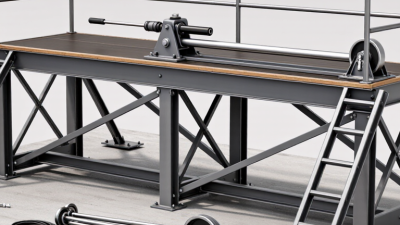
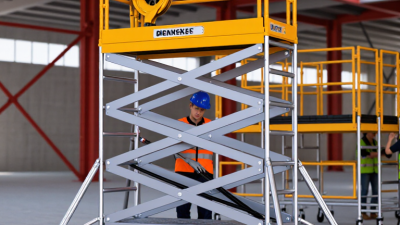
7 Best Crank Up Scaffolding Systems for Global Buyers
Choosing a crank up scaffolding system is not just a matter of comparing platform heights. Buyers also need to consider rated capacity, working dimensions, adjustment speed, stability, and the conditions crews face on site. A compact unit may suit indoor maintenance, while exterior work can call for a broader platform and carefully matched stabilizers. Small details matter.
This guide introduces seven options for global buyers, from practical, straightforward designs to systems with features aimed at frequent setup and repositioning. It explains what to examine in product specifications, including frame materials, wheel locks, guardrails, access points, and replacement-part availability. Look closely at the load rating, not only the advertised maximum height. Those figures describe different things.
There is no single model that fits every job. Climate, transport limits, local site requirements, and after-sales support can change which system makes sense. Buyers should confirm technical documentation and applicable safety requirements with the supplier and relevant local authorities before purchasing. A polished product page is useful, but it cannot replace a careful inspection or a clear conversation about intended use. Some specifications are easy to compare; real-world handling is less predictable. That deserves thought. The aim here is to help readers ask better questions and shortlist a crank up scaffolding system that suits their crews, projects, and purchasing priorities.
What Crank-Up Scaffolding Systems Are and Where They Are Used
Crank-up scaffolding is a manually adjustable work platform. A hand-operated winch raises or lowers the deck along a supporting frame, letting crews reposition without rebuilding the entire scaffold. Depending on the model, workers may use it for exterior painting, siding, fascia installation, window work, or light maintenance. The platform needs a firm, level base and must stay within its rated load. Small setup errors matter.
OSHA’s Scaffolding eTool estimates that better protection could prevent about 4,500 scaffold-related injuries and 50 deaths each year in the United States. These are estimates, not a current global count, but they underline why stability, inspection, and fall protection deserve attention.
On site, check that locking parts engage fully and that the deck remains level as it rises. A crank system can save setup time, yet it is not a cure for uneven ground or poor planning. That distinction is easy to overlook. For buyers comparing systems across markets, confirm the intended working height, load rating, frame compatibility, and available safety components against the project conditions and applicable local requirements.
Key Components and Height-Adjustment Mechanisms
A crank-up scaffolding system combines a stable base, vertical frames or masts, a work platform, and a height-adjustment assembly. The crank may drive a cable-and-drum winch or a geared lifting mechanism, depending on the design. Brakes, locking pins, and travel stops help hold the platform at its selected height. Outriggers and base plates support stability, but they cannot correct a poorly prepared surface.
Details matter. Before setup, check the manufacturer’s instructions, rated capacity, and required inspection points. Look for frayed cables, bent pins, loose fasteners, and damaged crank handles. During adjustment, raise the platform in small, controlled increments and keep both sides level. Some systems use linked cranks; others require separate adjustments, so never assume they move together. A platform that tilts even slightly can make tools slide and footing uncertain. Not always obvious. Uneven ground, worn gears, or a sticking brake may be easy to overlook. That is where a checklist helps, though it cannot replace competent inspection or hands-on training. Ensure the platform is unoccupied during adjustment unless the system’s instructions explicitly permit otherwise.
Seven Crank-Up Scaffolding Systems for Different Worksite Needs
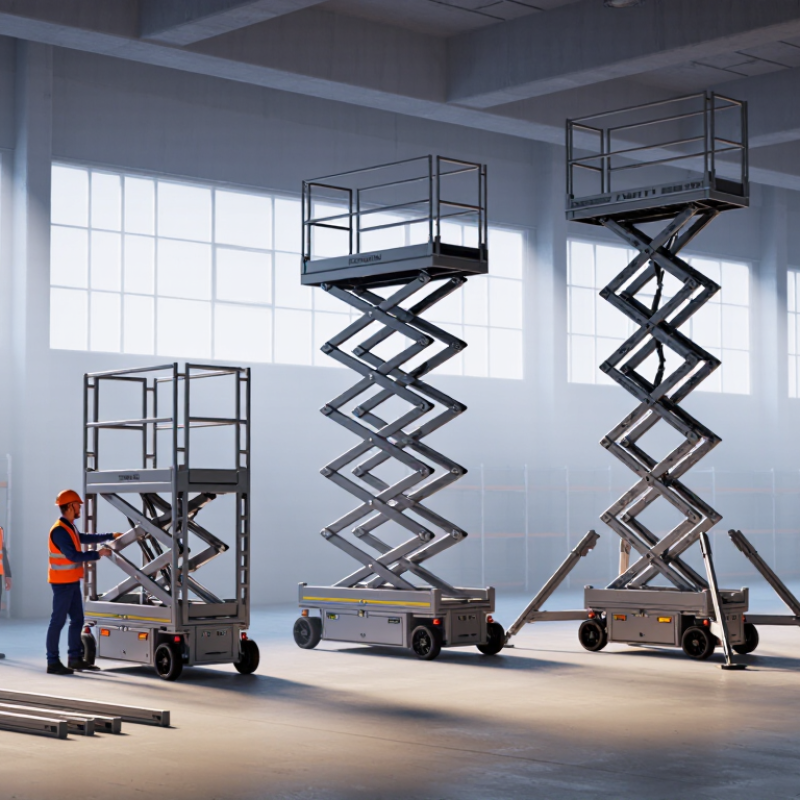
Seven crank-up scaffold systems suit distinct worksite needs: compact indoor towers for narrow corridors, wide-platform frames for façade work, rolling towers for frequent repositioning, modular high-reach units for tall interiors, stair-access setups for repeated level changes, cantilever systems for obstructed ground areas, and adjustable-base towers for sloped sites. Each design solves a different access problem. Not every configuration fits every task.
Selection should start with platform height, rated load, ground condition, and the space needed for stabilizers. The U.S. Bureau of Labor Statistics reported 395 fatal work injuries from falls, slips, and trips in construction in 2022 (Census of Fatal Occupational Injuries). That figure is a sober reminder: a crank handle does not make an unstable tower safe. Check the manufacturer’s load chart and locking mechanism, and have a competent person inspect the setup. For international purchasing, verify that documentation matches the destination’s applicable standards.
Tips: Measure doorway width and floor slope before ordering. Test the crank under the intended load, not just while empty. Keep wheels locked during work. A practical detail is often missed: stabilizers may block access in tight spaces. Recheck the layout on site; drawings rarely show every pipe or curb. That limitation deserves attention.
7 Best Crank Up Scaffolding Systems for Global Buyers
Seven OSHA scaffold safety dimensions to consider when evaluating worksite needs. Values are in inches; some are minimums, some maximums, and others are thresholds.
These are U.S. OSHA reference requirements for scaffolds, not specifications for individual crank-up systems or universal rules. Requirements can depend on the scaffold and work conditions; buyers should check applicable local regulations. Source: OSHA 29 CFR 1926.451.
How Global Buyers Can Compare Safety, Capacity, and Compliance
For global buyers, a crank-up scaffold’s rated capacity is only a starting point. Compare the platform’s working-load limit with workers, tools, and materials on the deck, then check the permitted height, base width, stabilizers, and tie-in requirements. Ask for load-test documentation, operating instructions, and evidence that the exact configuration meets applicable local standards. A certificate for a similar model is not enough. Small paperwork gaps can become practical safety problems.
Safety deserves equal weight. The U.S. Bureau of Labor Statistics reported 885 fatal work injuries from falls, slips, and trips across all industries in 2023; this figure is not scaffold-specific, but it underscores the stakes. Inspect guardrails, locking pins, crank handles, and cables before use. Check that the frame stands level on firm ground, and confirm the lifting mechanism moves evenly. On a real site, uneven paving or a shifted load can undermine assumptions made on paper.
Tips: Request a full-load rating, not just a maximum platform capacity. Compare inspection schedules and spare-part availability, too. Ask who is responsible for local compliance checks after delivery. One thing buyers sometimes miss: the easiest system to assemble may not be the easiest to inspect. That deserves a second look.
Installation, Operation, and Maintenance Considerations
For crank-up scaffolding, safe performance starts before the first turn of the handle. Check the ground for soft spots, slope, and standing water; then confirm the frame is plumb and all braces and locking pins are seated. Raise each side evenly, watching for binding or a platform that tilts. Keep people and loose tools off the platform while adjusting it. Small details matter.
OSHA’s construction scaffold standard requires inspection by a competent person before each work shift and after events that could affect structural integrity. It also requires scaffolds to support their own weight and at least four times the maximum intended load. Treat that as a minimum, not a reason to crowd the deck. The U.S. Bureau of Labor Statistics reported 421 fatal work injuries from falls, slips, and trips in construction in 2023; the figure covers many hazards, not scaffolds alone. During operation, keep materials centered, avoid sudden cranking, and secure the platform at the working height. For maintenance, remove damaged components from service, lubricate winches only as specified, and record repairs and inspections. A checklist helps, but it cannot replace judgment. A rushed visual check can miss a bent pin.