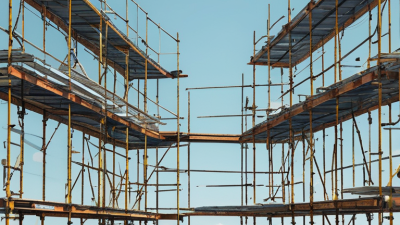
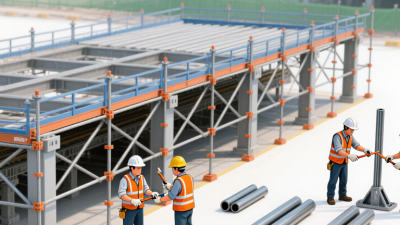
Choosing non stop scaffolding for sale worldwide requires more than comparing prices or browsing product photographs. It demands attention to engineering, manufacturing consistency, transport, and site conditions. Buyers need stable frames, secure locking systems, clear load ratings, and corrosion-resistant finishes. A bright galvanized surface may look impressive, but appearance alone proves little. The real evidence lies in test records, inspection procedures, and traceable materials.
Dr. David Michaels, former Assistant Secretary of Labor for OSHA, said, “Falls are the leading cause of death in construction.” His warning remains highly relevant when evaluating non stop scaffolding for sale. Reliable suppliers should explain platform capacity, brace placement, caster security, guardrail design, and assembly requirements. They should also provide understandable manuals and responsive technical support. International buyers must verify whether equipment suits local regulations, climate, and workforce training. One certificate cannot answer every question.
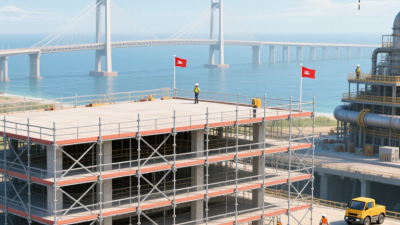
The strongest purchasing decision connects product quality with practical experience. Imagine a work platform standing beside a wet coastal building site. Its joints must remain secure, its wheels must lock firmly, and its deck must support workers and materials without unsafe movement. Delivery matters too. Damaged tubes or missing components can delay an entire project. Still, no supplier is perfect. Buyers should question optimistic claims and request independent evidence. Non stop scaffolding for sale can offer valuable access solutions, but only when selection, inspection, and use remain disciplined from shipment to final dismantling.
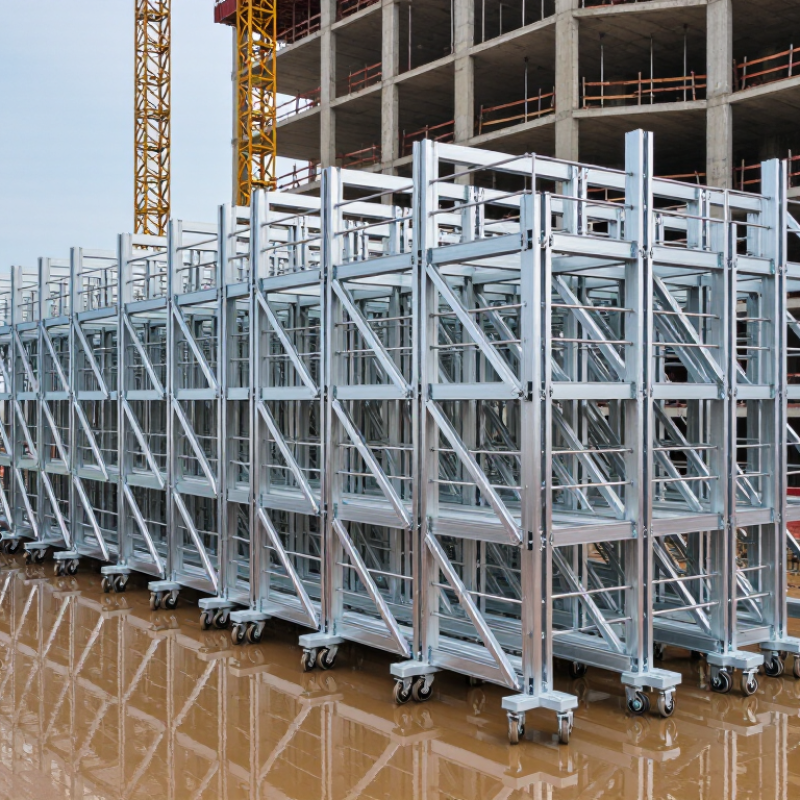
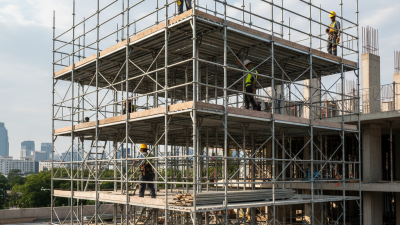
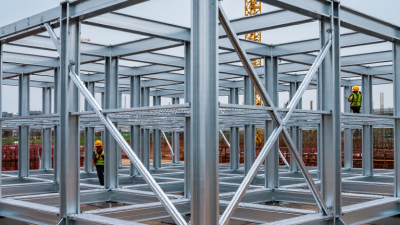
Non-stop scaffolding is usually a descriptive term, not a universal technical classification. It often refers to modular scaffolding designed for continuous construction access. Workers can extend, adjust, or relocate sections as a project changes. The system commonly includes standards, ledgers, platforms, braces, base plates, guardrails, and adjustable connectors. Each part has a practical role.
A typical setup begins with a stable base and accurately spaced vertical standards. Horizontal ledgers connect the standards and support working platforms. Diagonal braces reduce movement, especially on taller structures or uneven sites. Guardrails and toe boards help protect workers and materials. Before use, a competent person should inspect every connection, platform, access point, and foundation. Small errors matter.
For scaffolding sold worldwide, configuration should match local regulations, site conditions, and load requirements. Coastal projects may need stronger corrosion protection. Narrow urban sites may require compact frames and careful access planning. A supplier’s drawing can help, but it cannot replace an on-site assessment. That is where mistakes happen. The phrase “non-stop” may also create unrealistic expectations, because no scaffold should be used continuously without inspection, maintenance, and controlled changes. Experienced crews record alterations, check platform levels, and remove damaged components immediately. In real projects, the system works best when its flexibility is matched by disciplined supervision.
| Data Dimension | Verified Information | Why It Matters for Continuous Scaffolding Supply |
|---|---|---|
| Meaning of “Non Stop Scaffolding” | “Non stop scaffolding” is a commercial description rather than a universally defined technical scaffold category. It generally refers to reliable availability, repeat purchasing, replacement parts, and ongoing project supply. | Buyers can plan phased construction work with fewer interruptions caused by missing frames, tubes, fittings, or accessories. |
| Common Structural Materials | Steel is widely used for high strength and durability. Aluminium is lighter and easier to handle but is selected according to the system design and required loads. | Material selection affects transport cost, manual handling, corrosion protection, service life, and site productivity. |
| Typical Steel Tube Outside Diameter | 48.3 mm is a widely used nominal outside diameter for steel scaffold tubes in many international systems. Exact tube dimensions and wall thickness must be confirmed against the applicable standard. | Consistent tube dimensions help ensure compatibility with approved couplers, joints, braces, and modular components. |
| EN 12811-1 Load Classes | The European standard EN 12811-1 defines service load classes from 0.75 kN/m² to 6.00 kN/m², including 0.75, 1.50, 2.00, 3.00, 4.50, and 6.00 kN/m². | The selected load class must match workers, tools, materials, platform layout, and the engineer’s design requirements. |
| Main Scaffold Configurations | Common configurations include tube-and-fitting scaffolding, frame scaffolding, modular ring or rosette systems, mobile towers, and suspended access systems. | Different configurations support different requirements for façade access, industrial maintenance, masonry, painting, inspection, and indoor work. |
| How the System Works | Vertical standards transfer loads to base plates or adjustable bases. Ledgers and transoms support platforms, while braces provide stability. Ties, guardrails, toe boards, and access components help control movement and fall risks. | A complete, compatible system is required; individual components should not be mixed without confirmation of design compatibility and load capacity. |
| Corrosion Protection | Common protection methods include hot-dip galvanizing, electro-galvanizing, and suitable protective coatings. Hot-dip galvanizing applies a zinc coating to steel after fabrication or according to the specified manufacturing process. | Protection can improve resistance to moisture and corrosion, particularly in outdoor, coastal, humid, or industrial environments. |
| Global Compliance Considerations | Requirements vary by country and project. Common references include EN 12810, EN 12811, OSHA regulations in the United States, and local construction or workplace-safety rules. | Before purchase, buyers should confirm product documentation, design calculations, inspection requirements, and the regulations applicable at the installation site. |
| Typical Safety Components | Guardrails, midrails, toe boards, access ladders or stair units, base plates, adjustable jacks, braces, ties, platforms, and protective netting may be required depending on the design. | Safety components should be specified as part of the complete scaffold system rather than treated as optional add-ons. |
| Quality Checks Before Purchase | Review material certificates, dimensions, weld quality, coating condition, allowable loads, inspection records, technical drawings, user instructions, and spare-part availability. | A documented quality process supports safer installation, easier maintenance, and consistent replenishment for long-term projects. |
| Best Fit for Worldwide Projects | A standardized, modular system with clearly documented dimensions, load ratings, replacement parts, packaging details, and installation instructions is generally easier to deploy across multiple locations. | Standardization simplifies training, procurement, inspection, inventory management, and repeat orders across different project sites. |
| Note: Scaffold design, erection, alteration, inspection, and dismantling should be completed by competent personnel in accordance with the applicable local regulations and project-specific engineering requirements. | ||
Worldwide scaffolding sales cover more than standard frames. Buyers can choose frame scaffolding for walls, ringlock systems for complex structures, and cuplock systems for repetitive construction work. Tube and fitting scaffolding remains useful where layouts change often. Adjustable base jacks help level uneven ground, while steel or aluminum planks provide stable working platforms. Mobile towers with lockable casters suit maintenance tasks and indoor projects. Access ladders, stair units, guardrails, toe boards, and scaffold ties complete many packages.
Product selection should match the site, not only the price. A professional supplier should provide load tables, material specifications, dimensional drawings, and inspection guidance. Hot-dip galvanized components can resist outdoor corrosion, but surface treatment does not remove the need for regular checks. Damaged welds, bent standards, missing pins, and worn casters require attention. Small details matter. Packaging also affects reliability during international transport. Clearly labeled bundles reduce counting errors and speed up assembly after delivery.
Worldwide orders may include replacement parts, custom dimensions, or mixed systems for different work areas. However, a perfect package rarely exists. Local ground conditions, access limits, climate, and project rules can change the correct choice. Buyers should confirm applicable safety requirements before ordering. It is also wise to request sample components or technical reviews for large projects. A lower-cost plank may look practical, yet its weight, slip resistance, and load rating may create problems later. Careful comparison is slower, but often safer.
Common scaffolding products available for worldwide sale
Worldwide scaffolding suppliers commonly offer modular systems, access towers, frames, props, and suspended platforms. The chart compares representative maximum working heights commonly associated with these product categories. Actual height limits depend on the system design, site conditions, anchoring, loading, and local safety regulations.
Choosing non stop scaffolding for sale worldwide requires more than comparing prices. Product quality begins with controlled materials and consistent manufacturing. Steel tubes should have reliable thickness, clean surfaces, and clear batch records. Each frame needs accurate dimensions, firm joints, and smooth welds. Small defects can become serious risks on a busy construction site.
Safety checks should continue after production. Load testing helps confirm that frames, braces, and platforms perform under realistic pressure. Inspectors should examine welds, locking pins, caster wheels, and adjustable bases. Corrosion protection also matters, especially during humid transport or outdoor storage. Packaging must prevent bent parts and damaged fittings. It sounds basic. It is not always done well.
Experienced suppliers provide assembly instructions, inspection guidance, and traceable quality documents. They also explain safe load limits instead of making vague promises. Products shipped worldwide may face different site conditions and regulatory expectations, so buyers should verify local requirements before installation. No inspection system is perfect. A missed scratch or loose connector can reveal weaknesses in the process. Regular site checks, worker training, and honest reporting help correct those weaknesses. Reliable scaffolding is not only strong when new; it should remain predictable after repeated assembly, weather exposure, and careful daily use.
Why Choose Non Stop Scaffolding for Sale Worldwide?
What Makes Its Global Supply and Support Network Effective?
A reliable global scaffolding network does more than move equipment between countries. It connects manufacturers, regional warehouses, freight teams, and trained support staff. This structure helps contractors receive frames, braces, platforms, and fittings with fewer delays. Clear packing lists also make site checks faster. Small details matter.
Experienced suppliers usually provide traceable product information, load data, assembly guidance, and inspection records. Technical teams can answer questions across different time zones. They may explain how to select compatible components or replace a damaged coupler. Practical support is especially valuable when projects face rain, uneven ground, or limited storage space. Good advice prevents expensive mistakes.
Fast supply should not replace careful planning. Local standards, delivery routes, and weather conditions can change the best purchasing decision. A dependable network checks these details before dispatch. It also keeps common spare parts available near active construction markets. That reduces downtime when a platform or brace needs replacement.
No international system works perfectly every time. Port congestion, incorrect measurements, or communication gaps can still cause trouble. The better suppliers acknowledge these risks and improve their process after each project. Regular feedback, documented inspections, and honest delivery updates build trust. That is what makes worldwide support useful, not simply large.
Why Choose Non Stop Scaffolding for Sale Worldwide?
When Is Non Stop Scaffolding the Right Choice for Your Project?
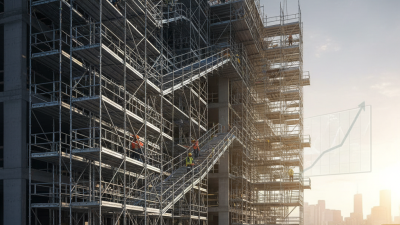
Non Stop Scaffolding can suit projects requiring steady access across several work stages. It is useful for construction, façade repairs, industrial maintenance, and long-duration renovation work. Crews can move materials safely while trades work at different heights. In my experience, continuous access reduces repeated dismantling and saves setup time. However, it is not automatically the best choice. Small projects may need a simpler platform with lower rental and transport costs.
The right decision depends on height, load requirements, site layout, weather exposure, and project duration. A qualified scaffold professional should check the ground, anchorage points, access routes, and working clearances. Local safety rules also matter, especially when equipment is purchased for international use. Never rely only on product photographs or a basic size chart. I once underestimated storage space on a busy site, and the delay affected several trades. That mistake was avoidable.
Tips: Measure the work area carefully. Confirm platform loads before ordering. Ask for assembly guidance and inspection records. Plan delivery, storage, and replacement parts early. Stop work if the structure shifts, components are damaged, or weather creates unsafe conditions. Also, review the plan with the site supervisor; practical feedback often reveals problems that drawings miss.