Non stop crank up scaffolding is becoming a practical choice for projects needing fast, repeatable height adjustment. Its crank-operated system can reduce manual repositioning around façades, industrial plants, and maintenance zones. Yet speed alone should never decide supplier selection. Stability, platform capacity, inspection procedures, spare parts, and operator training matter more.
Grand View Research estimated the global scaffolding market at approximately USD 60 billion in 2023, with continued growth expected through 2030. However, that figure combines many scaffold types. It does not measure non stop crank up scaffolding separately. This limitation deserves attention. Buyers should avoid treating broad market forecasts as direct proof of product performance.
Safety evidence is clearer. The U.S. Bureau of Labor Statistics reported 1,069 construction fatalities in 2022, while falls remained a major cause of workplace deaths. OSHA also requires competent-person inspections and proper scaffold access. John H. Hinze, a respected construction-safety researcher, stated, “Safety is not a priority; safety is a value.” That principle fits every supplier comparison.
The best global suppliers therefore demonstrate more than impressive catalogs. They provide load charts, tested components, clear manuals, and responsive technical support. Look for galvanized frames, reliable winches, positive locking systems, and platforms that remain steady during movement. Small details matter. A loose caster can change the entire risk profile.
This guide compares leading manufacturers and distributors by engineering quality, regional availability, certification evidence, service capability, and real-world usability. Some rankings may remain imperfect because supplier data is not equally transparent. That is worth admitting. A careful shortlist, followed by site-specific verification, is safer than trusting marketing language alone.
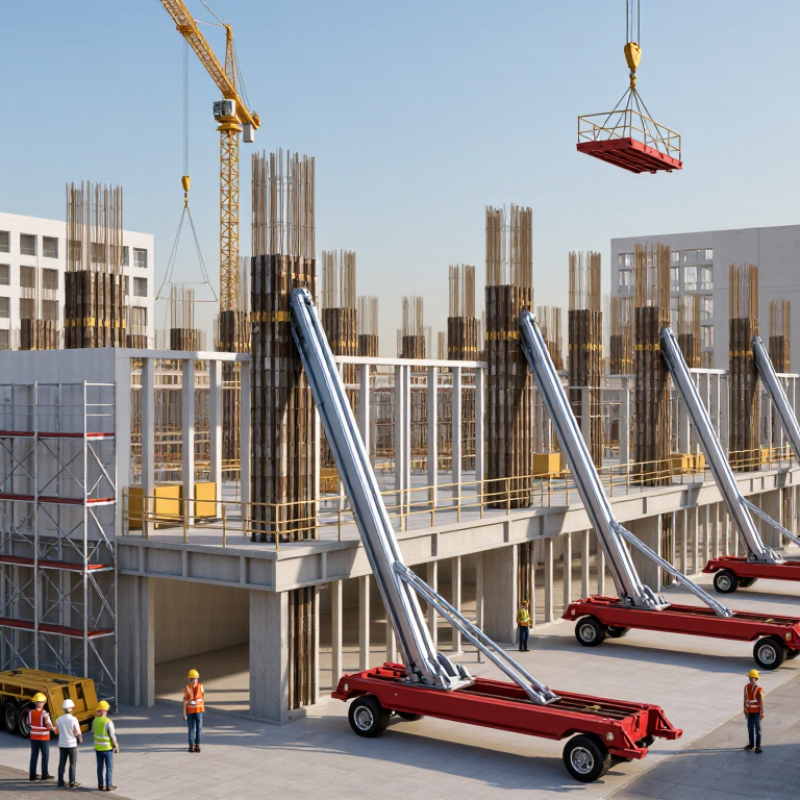
Non-stop crank-up scaffolding is an adjustable work platform operated by hand cranks or screw mechanisms. Its height changes without dismantling the entire scaffold. Workers can set the deck beside different wall levels, window lines, or ceiling zones. That saves repeated assembly time.
The phrase “non-stop” needs careful interpretation. It usually means continuous height adjustment, not that people can remain on the platform while it moves. A trained operator should clear the deck, secure the wheels, check the base, and engage every locking device before work resumes. The system may use synchronized crank points, stabilizers, guardrails, toe boards, and adjustable legs. Small ground changes matter.
OSHA’s Scaffold Safety Fact Sheet estimates that scaffolding accidents cause about 4,500 injuries annually in the United States.
OSHA’s Scaffold Safety Fact Sheet estimates that scaffolding accidents cause 50 deaths annually in the United States.
Great Britain’s HSE recorded 40 worker fatalities from falls from height in 2023/24.
These figures are not specific to crank-up systems, but they show the risk environment clearly. The scaffold is only as reliable as its setup.
In practical use, inspect threads for damage, keep the platform level, and never exceed the rated load. Operators should also consider wind, uneven surfaces, and overhead obstructions.
The term remains inconsistent across suppliers and regions. That is a weakness. Buyers should request load charts, inspection procedures, adjustment limits, and conformity documentation before selecting equipment.
Top Non Stop Crank Up Scaffolding Suppliers Worldwide
Key Features and Operating Principles
Non stop crank up scaffolding uses mechanical screw jacks to raise or lower working platforms. Its main advantage is controlled height adjustment without dismantling the entire structure. A typical system includes steel frames, threaded lifting rods, locking pins, guardrails, toe boards, and adjustable feet. Keep it level. Uneven lifting can create dangerous platform movement.
The operating principle is straightforward but demands discipline. Turning the crank moves the threaded rod through a gear or nut assembly. Each leg should rise evenly, according to the supplier’s load chart and site procedure. Workers should confirm ground stability before adjustment. Firm base plates help distribute pressure on concrete, compacted soil, or temporary mats. Small gaps matter. Loose pins, bent threads, or missing braces can reduce stability quickly.
Reliable suppliers usually provide tested components, clear assembly drawings, inspection records, and replacement-part support. Experienced contractors also check welds, corrosion, platform locking points, and crank resistance before every shift. A practical inspection should include a slow trial adjustment under controlled conditions. Do not assume a smooth crank means a safe structure. No mechanism is flawless. In the field, dust, poor storage, and rushed leveling often create problems that manuals cannot fully predict. Qualified personnel must verify capacity, anchoring, and local safety requirements before use.
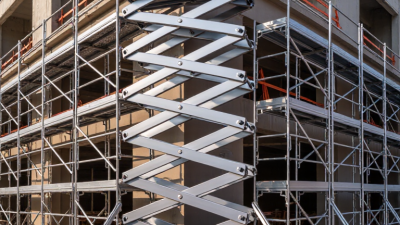
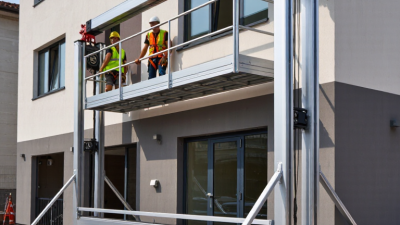
Crank-up scaffolding uses a manually operated or powered winch system to raise and lower a working platform through synchronized lifting mechanisms. Stable positioning, positive locking, guardrails, toe boards, level adjustment, and inspection procedures are essential when evaluating supplier-neutral equipment.
The chart presents the three uniform-load service classes defined by OSHA for supported scaffolds: light-duty at 25 lb/ft², medium-duty at 50 lb/ft², and heavy-duty at 75 lb/ft². Actual crank-up scaffold capacity depends on the complete system design, platform configuration, height, anchorage, and local regulations.
Reference: U.S. OSHA 29 CFR 1926.451(a)(1). Always verify the manufacturer’s rated capacity and applicable regional standards before operation.
When evaluating global scaffolding suppliers, examine product evidence before polished sales promises. Request drawings, load tables, material grades, and recent inspection records. A reliable supplier should explain how its non-stop crank-up scaffolding performs under repeated lifting cycles. Ask for test conditions, not only final results.
Inspect a physical sample when possible. Check weld consistency, locking pins, crank movement, and platform alignment. The galvanized surface should appear even, without sharp edges or exposed steel. Confirm spare-part availability, packaging strength, and replacement procedures. Small details often affect installation speed and worker confidence. They matter.
Supplier experience deserves practical verification. Review comparable projects, factory quality controls, and production capacity during peak seasons. Independent certification can support credibility, but certificates need current scopes and matching product models. Clarify lead times, shipping documents, payment protections, and after-sales response times. Written answers are safer than verbal assurances.
Communication reveals operational maturity. Can the supplier explain a tolerance issue clearly? Can it provide a corrective-action report after a failed inspection? These responses show more than a website.
Still, no evaluation is perfect. A factory visit may show ideal conditions, while later batches differ. Use third-party inspections and staged orders when risk is significant. Reliability grows through repeated evidence, not confident language.
Non-stop crank-up scaffolding suppliers usually fall into five categories: manufacturers, distributors, rental fleets, engineering integrators, and regional stockists. Manufacturers offer technical control, replacement parts, and configuration support. Distributors provide broader product access and local delivery. Rental suppliers suit contractors managing short projects or changing site demands. Engineering integrators can adapt platforms, stabilizers, and lifting systems for uneven work areas.
Market coverage varies sharply by supplier type. Large manufacturers often support multiple continents through authorized service networks and documented training. Regional distributors may respond faster in cities, while rural coverage can depend on shared warehouses and transport partners. Rental fleets are strongest near construction centers, industrial plants, and maintenance hubs. Check delivery zones carefully. A website map may not show actual stock.
From field purchasing experience, reliable suppliers explain load ratings, working heights, base dimensions, wheel locks, and inspection routines without vague promises. They should provide manuals, test records, spare crank components, and clear warranty terms. Ask how quickly damaged parts can arrive at your site. That detail matters.
Do not judge coverage by price alone. Low-cost supply may exclude assembly guidance or after-sales support. This assumption can fail. I have also seen experienced buyers overlook local weather exposure and ground conditions. Wind, corrosion, and soft surfaces can change equipment requirements. A supplier with fewer depots may still perform better when its technical team answers quickly and documents every decision.
Safety should guide every crank-up scaffolding purchase. Check load ratings, platform dimensions, guardrails, locking systems, and emergency lowering features. Suppliers should provide test reports, material specifications, and clear assembly instructions. Verify compliance with recognized standards, such as applicable EN, ANSI, or local requirements. Requirements differ by region, so confirm them with a qualified safety professional.
Crank-up scaffolding suits façade maintenance, warehouse lighting, construction finishing, and elevated inspection work. Its adjustable height can reduce repeated ladder movement and improve workflow. On active sites, operators need stable ground, controlled lifting, and daily visual inspections. Watch the wheels, cables, pins, and platform joints closely. Small defects can become serious quickly. A common mistake is choosing maximum height before checking floor conditions. That decision deserves more thought.
Tips: Ask suppliers for recent inspection records and spare-part availability. Compare working height, safe working load, transport size, and setup time. Request a practical demonstration before ordering. Train every operator, even experienced workers. Experience helps, but it can also create careless habits. Keep a written maintenance log, and stop use when movement feels uneven. Pricing matters, but dependable documentation and responsive technical support often matter more. Because some purchasing decisions look simple. They are not.