Choosing the best China workhorse scaffolding requires more than comparing prices, pipe thickness, or catalog photographs. The right system must match the project’s height, load demand, working space, weather exposure, and assembly method. A busy construction site may need sturdy frames, adjustable bases, secure guardrails, and platforms that remain stable during repeated movement. Factory quality also matters. Look for traceable materials, consistent welding, accurate dimensions, corrosion protection, and documented load testing.
Dr. John W. Hinze, a respected construction-safety researcher, offers a principle that applies directly here: “Identify the hazard before selecting the control.” That means evaluating the building surface, ground settlement, lifting routes, access points, and likely misuse before choosing equipment. A trustworthy supplier should explain these risks clearly, not simply promise the lowest quotation. Ask for inspection records, product specifications, installation guidance, and evidence of quality management. Speak with engineers who understand both manufacturing and real job-site conditions.
There is no universal best scaffold.
I would not pretend that a heavier product is always safer. Excess weight can slow installation, increase handling strain, and create new risks. A lighter system may perform well when its design, connections, and inspection process are properly controlled. Yet brochures rarely show muddy ground, bent components, hurried crews, or missing braces. Those details matter. This guide will examine how to compare workhorse scaffolding from China through practical experience, technical evidence, supplier reliability, and site-specific judgment. The goal is not to choose the cheapest system. It is to choose dependable equipment that supports workers, schedules, and responsible construction decisions.
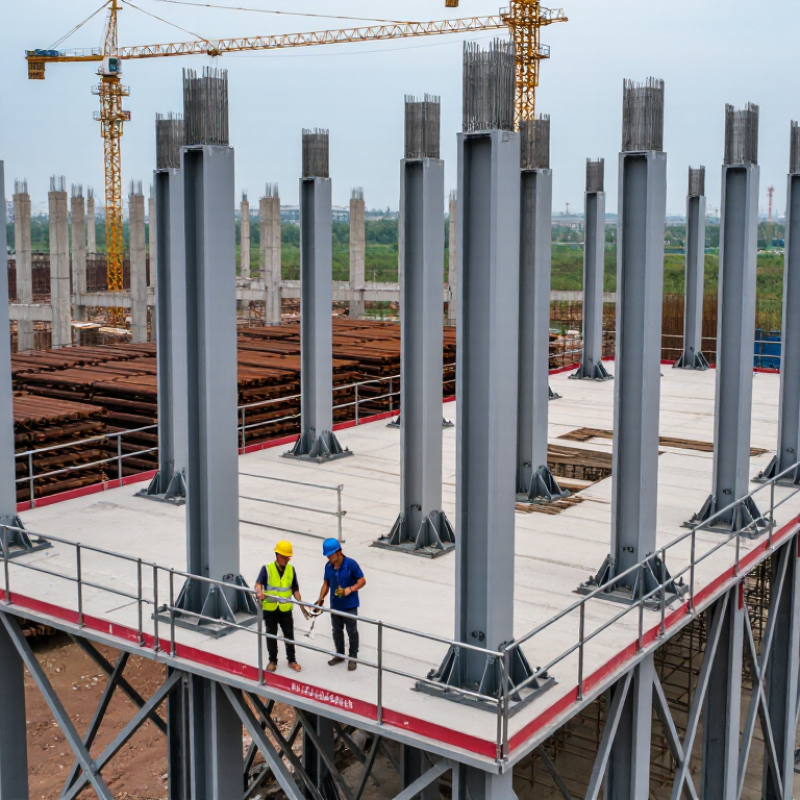
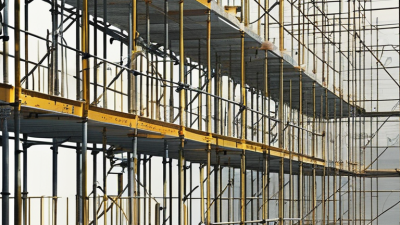
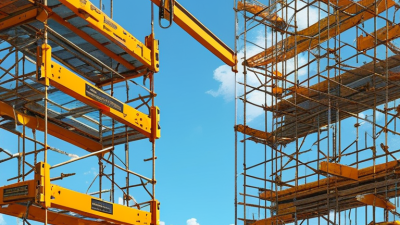
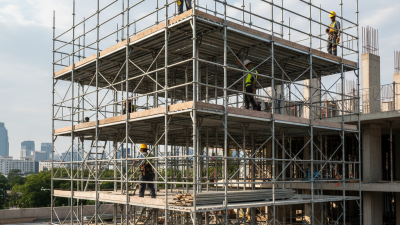
China workhorse scaffolding usually means robust, reusable systems built for demanding construction cycles. “Workhorse” is an industry expression, not a formal technical classification. It normally describes steel tube-and-coupler, frame, or modular scaffolding with strong load capacity, simple replacement, and practical assembly. The essential parts include galvanized or painted tubes, adjustable base jacks, platforms, guardrails, braces, and secure couplers. Each component must match the intended duty.
The safety reason is measurable. The U.S. Bureau of Labor Statistics reported 395 construction deaths from falls to lower levels in 2022. That figure shows why stability matters more than a low purchase price. China’s JGJ 130 technical standard provides requirements for steel-tube coupler scaffold design and safety management. Buyers should request load calculations, material certificates, weld inspection records, and batch traceability. A competent engineer should verify ground bearing, tie spacing, bracing, working height, and wind exposure. Do not rely on appearance.
Market data also needs careful reading. Grand View Research estimates continued growth in the global scaffolding market, driven by infrastructure and building renovation. Yet market growth does not prove product quality. On-site inspections often reveal bent tubes, uneven bases, or mixed couplers. That is where selection becomes difficult. A heavier tube may help, but excessive weight can slow installation and increase handling risks. The best “workhorse” is therefore not simply the thickest system. It is the system with verified capacity, consistent dimensions, clear instructions, and dependable inspection records. One point deserves reflection: supplier documents can look complete while site controls remain weak.
China-made workhorse scaffolding is available in several practical forms. Frame scaffolding uses welded frames, cross braces, and adjustable base jacks. It is common for straight façades, masonry, and finishing work. Ringlock and cuplock systems use vertical standards with fixed connection points. They create strong, adaptable structures around tanks, platforms, and irregular buildings. Tube-and-clamp scaffolding offers the most flexible layout. Mobile towers add casters for short, controlled movements on level floors.
Each type solves a different site problem. Frame systems suit repetitive work with predictable dimensions. Ringlock systems usually assemble faster when several working levels are required. Tube-and-clamp designs need more skilled fitting, but they handle awkward shapes well. Mobile towers are convenient for indoor maintenance, although their height and movement limits require careful control. Measure the working height, platform length, access route, and expected load before choosing. Do not judge quality from painted surfaces alone. Ask for material grades, weld inspection records, load tables, and assembly instructions.
Reliable selection also depends on site discipline. Check every standard, ledger, brace, caster, and locking pin before use. A competent person should inspect the structure after assembly, relocation, and severe weather. Follow applicable local safety rules and the supplier’s rated capacities. Small mistakes become large problems. One uncomfortable truth is that the strongest system can still perform poorly when the ground is uneven. I have seen specifications change after measuring real access routes, because drawings rarely show pipes, doors, or sloped concrete accurately. Recheck those details before ordering.
| Scaffolding Type | Main Structure and Typical Materials | Typical Duty or Load Classification | Best-Fit Applications | Key Advantages | Limitations and Considerations | Workhorse Suitability |
|---|---|---|---|---|---|---|
| Heavy-Duty Frame Scaffolding | Prefabricated steel frames, cross braces, adjustable base jacks, U-head jacks, and steel or aluminum platforms. | Commonly configured for medium- to heavy-duty construction loads. The permitted load must be verified from the design and applicable standard. | Masonry, concrete finishing, façade work, industrial maintenance, and repetitive work on straight elevations. | Fast assembly, simple visual inspection, economical for repeated bays, and suitable for relatively open façades. | Less adaptable to irregular façades, changes in elevation, tight spaces, and complex plant structures. Bracing and base support remain essential. | High |
| Ringlock System Scaffolding | Vertical standards with welded rosettes, horizontal ledgers, diagonal braces, adjustable jacks, stairs, and compatible platforms. | Frequently selected for medium- to heavy-duty access and support applications. Actual capacity depends on bay size, height, bracing, foundations, and design. | Industrial plants, power projects, shipyards, bridges, refineries, large commercial buildings, and complex structures. | High connection rigidity, many angle options, good load distribution, quick installation, and strong adaptability. | Higher initial cost than basic frame systems and requires trained workers to install, brace, and inspect the system correctly. | Very High |
| Cuplock System Scaffolding | Steel standards and ledgers connected by cup-and-wedge joints, with braces, jacks, platforms, and access components. | Suitable for medium- to heavy-duty access and temporary support when engineered for the project conditions. | General building construction, industrial maintenance, infrastructure work, shoring, and large-area access platforms. | Fast joint locking, fewer loose fittings, good vertical load transfer, and efficient erection for repeated layouts. | The fixed connection geometry can be less flexible than rosette systems for unusual angles or highly irregular structures. | High |
| Tube-and-Coupler Scaffolding | Individual steel tubes joined with right-angle, swivel, sleeve, and putlog couplers; platforms and braces are added separately. | Can be engineered for heavy-duty use, but capacity is highly dependent on tube condition, coupler performance, spacing, ties, and bracing. | Irregular façades, congested industrial areas, bridges, curved structures, repair work, and projects requiring custom geometry. | Maximum layout flexibility, easy adaptation to obstacles, and practical for bespoke or non-standard access arrangements. | Slower to erect, more labor-intensive, and more dependent on correct coupler installation and inspection than prefabricated systems. | Very High |
| Shoring and Falsework System | Heavy-duty steel props, frames, towers, beams, U-heads, base jacks, and adjustable components designed to carry temporary structural loads. | Designed for temporary load support rather than ordinary access alone. Capacity must be calculated for concrete, formwork, construction materials, and dynamic effects. | Concrete slab support, beam and bridge construction, tunnel work, load transfer, and temporary structural stabilization. | High load-bearing potential, adjustable working heights, and efficient support for large vertical temporary loads. | Requires project-specific structural calculations, stable foundations, proper load distribution, and controlled installation procedures. | Very High |
| Mobile Tower Scaffolding | Lightweight aluminum or steel tower frames, platforms, guardrails, stabilizers, and lockable castors. | Generally intended for light- to medium-duty personnel and materials access; never exceed the manufacturer’s rated platform load. | Indoor installation, electrical work, painting, lighting, maintenance, and short-duration work on level floors. | Easy relocation, rapid setup, compact storage, and reduced need for dismantling between nearby work areas. | Not suitable for heavy material storage, uneven or soft ground, excessive height without stabilizers, or exposure to unsuitable wind conditions. | Medium |
| Suspended Access Scaffolding | Suspended platforms or cradles supported by wire ropes, hoists, roof beams, parapet clamps, or engineered suspension points. | Typically used for controlled personnel and tool loads. The platform, suspension system, anchorage, and hoists require separate load verification. | High-rise façade cleaning, glazing, painting, inspection, repair, and external maintenance. | Efficient access to tall façades, limited ground obstruction, and reduced material consumption compared with full-height independent scaffolding. | Strongly affected by wind, power supply, suspension-point design, emergency procedures, and operator training. | Medium |
| Cantilever or Hung Scaffolding | Platforms supported by engineered brackets, beams, needles, or structural anchors rather than a fully ground-supported scaffold base. | Capacity is project-specific and depends on anchor strength, bracket spacing, edge distances, and the supporting structure. | Work above streets, water, roofs, basements, restricted ground areas, and façades where ground support is unavailable. | Provides access where conventional foundations or ground-based standards cannot be installed. | Requires detailed structural engineering, secure anchorage, careful load control, and frequent inspection of the supporting structure. | Medium |
Note: Load capacity, dimensions, working height, tie spacing, foundation requirements, and wind limits must be confirmed through a project-specific design and the applicable local regulations. Common reference frameworks include EN 12810, EN 12811, relevant Chinese construction standards, and local occupational safety requirements.
A dependable workhorse scaffold starts with material verification, not appearance. Inspect tube thickness, weld consistency, corrosion protection, and connector fit. High-strength steel may improve durability, but only when its grade is traceable through mill certificates and independent testing. Aluminum reduces weight, yet it can deform faster under impact or uneven loading. I would not trust a polished certificate alone.
Load capacity needs practical calculation. OSHA’s Scaffold Safety Fact Sheet reports about 4,500 scaffold-related injuries and 50 deaths annually in the United States. OSHA 29 CFR 1926.451 also requires scaffold components to support their own weight plus at least four times the maximum intended load.
Include workers, tools, stored materials, platforms, and wind effects. A “heavy-duty” label is not a calculation. Keep materials distributed, and never concentrate pallets on one bay.
Stability is often the neglected detail. Check base plates, adjustable jacks, sole boards, bracing, ties, guardrails, and platform gaps before use. EN 12811-1 evaluates working scaffolds through load classes, service conditions, and structural performance. That framework is useful when comparing technical documents from Chinese manufacturers. The assembly manual must match the actual configuration. It should not describe a stronger system than the one delivered.
My checklist is imperfect. Site conditions change quickly. A level surface may settle after rain, and a secure tie may loosen during repeated movement. Photograph each inspection, record damaged parts, and have a competent person reassess the scaffold after alteration or severe weather.
When choosing China workhorse scaffolding, inspect safety evidence before comparing price or load claims.
OSHA reports that scaffold accidents cause about 4,500 injuries and 50 deaths annually in the United States. Its safety guidance also estimates that scaffolds support work for 65% of construction workers. These figures make traceable testing essential, not optional.
Check whether the design follows EN 12811-1 for temporary works equipment, EN 39 for steel tubes, and EN 74 for couplers. For domestic projects, review compliance with applicable Chinese standards, including JGJ 130 and GB/T 15831.
A certificate should show the exact model, material grade, load class, test date, and issuing laboratory. ISO/IEC 17025 accreditation strengthens confidence in laboratory results.
ISO 9001 supports production control, while ISO 45001 indicates a structured occupational safety system; neither one proves scaffold strength.
Ask for drawings, weld inspection records, coating thickness results, and batch traceability. In my purchasing reviews, missing batch numbers create more doubt than a small surface defect.
Request independent tests for base jacks, frames, braces, and couplers, not only a complete sample.
The European Committee for Standardization links EN 12811-1 to serviceability and structural resistance, while OSHA requires competent-person inspection before each work shift.
A certificate can still mislead when its scope is vague. I would recheck every document against the delivered parts, because paperwork and steel sometimes disagree.
How to Choose the Best China Workhorse Scaffolding?
A low factory price rarely shows the real cost. Compare steel grade, tube thickness, load capacity, packaging, shipping, duties, and replacement parts. Ask each supplier for dated test reports, welding procedures, dimensional records, and batch traceability. EN 12811-1 provides useful performance criteria for temporary works equipment, even when local standards differ. The U.S. Bureau of Labor Statistics recorded 1,075 construction worker fatalities in 2023, so stability and inspection documents deserve more attention than polished sales images.
Price needs context. Request a like-for-like quotation with quantities, coating type, delivery terms, payment stages, and warranty exclusions. I once saw a low quote become costly after missing couplers delayed installation. That mistake was avoidable. Evaluate production capacity through factory video inspections, sample measurements, and independent pre-shipment checks. Supplier replies also matter. Slow technical answers may signal weak after-sales support. A reliable partner should provide drawings, assembly guidance, spare-part availability, and a named service contact.
Tips: Build a comparison sheet. Score quality, landed cost, lead time, documentation, and support separately. Ask for a written response time, such as 24 or 48 hours. Keep one sample on site for future checks. Do not trust certificates alone; verify the issuing body and test scope. The International Labour Organization identifies construction as a high-risk sector, but equipment selection is only one part of safe use. Training, inspection, and supervision still require your attention.
A practical comparison of the factors that most influence scaffolding supplier selection, total cost, and after-sales reliability.
The evaluation uses a 100-point procurement model: product compliance and safety account for 30 points, structural durability for 20, total landed cost for 20, delivery reliability for 15, spare-parts availability for 10, and after-sales support for 5. Buyers should compare these factors together rather than choosing solely by the lowest quoted price.