Why Choose Used Non Stop Scaffolding for Sale?

Choosing used non stop scaffolding for sale can make practical financial sense for contractors, rental companies, and smaller builders. Grand View Research valued the global scaffolding market at approximately USD 52.9 billion in 2022. Its report also forecasts steady growth through 2030, supported by infrastructure, maintenance, and urban construction projects. This demand makes dependable second-hand equipment increasingly relevant.

The real advantage is not simply a lower purchase price. A carefully inspected frame can reduce capital pressure while supporting repeated projects. Picture galvanized standards, clean base plates, secure locking pins, and platforms without dangerous deformation. Those details matter on a busy site. They also influence assembly speed, worker confidence, and transport costs.

Experience teaches caution. Used equipment is not automatically economical. Missing components, hidden corrosion, altered dimensions, or incomplete inspection records can quickly erase the saving. OSHA guidance emphasizes competent-person inspections, proper erection, and safe access, while EN 12811-1 provides widely recognized performance principles for temporary works equipment. Local requirements still need checking.

Grand View Research and Fortune Business Insights report continued scaffolding-market expansion, although their estimates differ because methodologies and market definitions vary. That difference deserves attention. It reminds buyers to question impressive claims.

A reliable supplier should provide photographs, component lists, load information, manufacturing details, and traceable inspection evidence. Buyers should compare the package against project height, loading, ground conditions, and required accessories. A lower quote may exclude decks, guardrails, braces, or delivery.

The strongest case for used non stop scaffolding for sale is controlled value, not blind thrift. Inspect every part. Ask difficult questions. Safety must remain the cheaper decision.
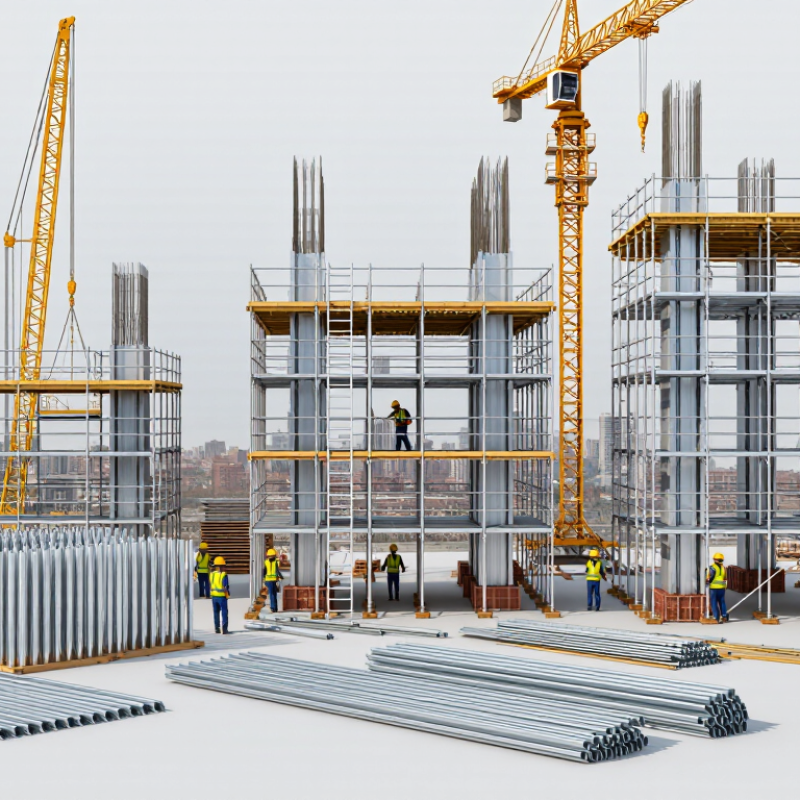
Why Choose Used Non Stop Scaffolding for Sale?

What Is Used Non-Stop Scaffolding?

Why Choose Used Non Stop Scaffolding for Sale?

What Is Used Non-Stop Scaffolding?

Used non-stop scaffolding refers to previously owned scaffold components designed for repeated assembly and continuous site use. It may include frames, platforms, braces, adjustable jacks, guardrails, and locking pins. “Non-stop” does not mean unlimited use. It describes a system that supports steady work with minimal setup delays.

A used system can remain practical when every component is checked carefully. Look for straight frames, clean connection points, secure welds, and platforms without dangerous distortion. Rust needs attention, especially around joints and base plates. Fit matters.

On a busy construction site, matching parts can reduce waiting time between work areas. Modular pieces may also simplify transport and storage. However, used scaffolding is not automatically a smart bargain. A low purchase price may hide missing braces, mixed dimensions, or difficult replacement needs.

Before purchase, confirm the original specifications and required load capacity. Check whether platforms, access points, and guardrails suit the planned work height. A competent inspector should examine the equipment before assembly and after significant changes. Keep inspection records, even when the system looks sound. Small defects are easy to overlook.

The best choice depends on condition, compatibility, and maintenance history. Used equipment can perform reliably, but only with disciplined inspection. This part is sometimes underestimated. A practical buyer measures the actual site requirements before paying.

How Used Non-Stop Scaffolding Supports Construction Projects

Used non-stop scaffolding can keep construction work moving when schedules are tight. Its continuous platform layout supports safer access between work areas, materials, and elevated tasks. Crews can reposition sections with fewer interruptions. This matters on renovation sites, where floor levels and wall lines often change.

Safety remains the main concern. OSHA guidance reports that scaffold-related incidents cause about 4,500 injuries and 50 deaths each year. Used equipment must therefore receive a documented inspection before delivery. Check frames for bends, weld cracks, corrosion, missing pins, and damaged boards. Verify load ratings against the project design. Small defects can become expensive failures.

Used non-stop scaffolding also reduces purchasing costs and material demand. The U.S. Environmental Protection Agency reports that construction and demolition activities generate more than 600 million tons of debris annually. Reusing sound scaffold components can support waste reduction, though it is not automatically sustainable. Transport distance, repairs, and replacement parts still matter. In field work, experienced supervisors should match the system to ground conditions, tie points, guardrails, and access routes. That step is easy to rush. It should not be. A practical inspection record, clear assembly instructions, and trained workers make used equipment more dependable. Mistakes still happen, especially when older components come from mixed sets. That is where careful judgment matters.

Why Choose Used Non Stop Scaffolding for Sale? - How Used Non-Stop Scaffolding Supports Construction Projects

Evaluation Dimension Typical Data or Specification How It Supports Construction Projects Important Verification Point
Initial Purchase Cost Used equipment is generally priced below comparable new equipment, with the final value depending on age, condition, quantity, and accessories. Lower acquisition cost can help contractors allocate more of the project budget to labor, transport, safety systems, and site preparation. Compare the complete package, including missing parts, repairs, delivery, taxes, and inspection costs.
Common Structural Material Steel tubes, frames, braces, couplers, base jacks, platforms, guardrails, and access components are commonly used in scaffold systems. A modular set of compatible components can be configured for façades, maintenance work, renovations, and temporary access platforms. Check for corrosion, cracks, deformation, damaged welds, bent tubes, worn threads, and incompatible connections.
Typical Tube Diameter 48.3 mm is a widely used outside diameter for many steel scaffold tubes, although dimensions vary by system and regional standard. Standardized dimensions can simplify the selection of couplers, fittings, braces, and replacement components. Confirm the actual diameter, wall thickness, connection type, and applicable local requirements before combining components.
Working Load Category EN 12811-1 commonly defines scaffold load classes from 0.75 kN/m² to 6.00 kN/m², depending on the intended use and design. Selecting the correct load class helps accommodate workers, tools, stored materials, and expected operational loads. Do not estimate capacity from appearance. Use the system documentation and a competent person’s design or assessment.
Assembly Configuration Available configurations may include façade scaffolds, mobile towers, independent tied scaffolds, access towers, and working platforms. Flexible layouts help crews reach different elevations, building profiles, work zones, and maintenance areas. Confirm platform width, bay length, lift height, access arrangements, ties, bracing, and clearance from hazards.
Inspection Requirement Used scaffolding should be inspected before first use, after alteration or events that could affect stability, and at intervals required by local regulations. Regular inspections identify unsafe components and reduce the risk of instability, falls, dropped objects, and work interruptions. Inspection should be completed and recorded by a suitably trained or competent person.
Site Stability The scaffold requires a firm, level foundation, suitable sole boards or base plates, adequate ties, bracing, and proper load distribution. A stable structure provides safer access and a more consistent working surface throughout the construction sequence. Assess ground conditions, wind exposure, nearby traffic, excavations, overhead lines, and the building connection points.
Safety Accessories Guardrails, midrails, toe boards, safe access ladders or stair units, platform decking, and debris protection may be required. These components help prevent falls, improve movement between levels, and reduce the chance of tools or materials falling from platforms. Ensure every accessory is compatible, securely installed, undamaged, and suitable for the specific site risk assessment.
Project Suitability Used systems are often suitable for repetitive construction, repair, painting, masonry, façade, roofing, and industrial maintenance tasks when properly assessed. Reusable modular components can support multiple work phases and may reduce the need to purchase separate access equipment for each task. Match the system to the project height, geometry, duration, loading, weather exposure, access needs, and local safety rules.
Environmental Consideration Reusing serviceable steel components extends product utilization and reduces the demand for new raw materials compared with replacing usable equipment. Longer use cycles can support material efficiency and reduce avoidable construction-equipment waste. Reuse only components that pass inspection and can be safely maintained, repaired, stored, and transported.

Note: Specifications, permissible loads, inspection intervals, and installation requirements vary by scaffold system and jurisdiction. Always follow the applicable local regulations, manufacturer documentation, and a competent person’s assessment.

Key Benefits of Buying Used Non-Stop Scaffolding

Why Choose Used Non Stop Scaffolding for Sale?

Key Benefits of Buying Used Non-Stop Scaffolding

Used non-stop scaffolding can reduce project costs without sacrificing practical performance. A well-maintained system supports continuous access along walls, roofs, and long industrial structures. This helps crews move materials and tools with fewer interruptions. It can also shorten setup time on projects with repeated working levels. Less downtime matters.

Buying used equipment may preserve more of your budget for transport, labor, and site protection. Many systems still offer strong frames, secure platforms, adjustable supports, and compatible connections after proper service. Reusing scaffolding also limits demand for new steel and reduces avoidable construction waste. That environmental benefit is useful, but it should not excuse weak inspections.

Condition matters more than age. Before purchase, check welds, locking pins, platform surfaces, braces, wheels, and signs of corrosion. Confirm the original load ratings and measure every key component. Missing pieces can create unexpected delays. A qualified inspector should review the complete set before installation. Clear records, photographs, and a written component list make the transaction more reliable.

Used scaffolding is not automatically a bargain. Bent frames, damaged boards, or mixed components may create serious safety concerns. Ask how the equipment was stored and maintained. Request evidence of previous inspections where available. The cheapest offer can become expensive after replacement parts and transport. Careful checking takes time, yet rushed buying often costs more later.

What to Check Before Purchasing Used Scaffolding

Why Choose Used Non Stop Scaffolding for Sale?
What to Check Before Purchasing Used Scaffolding

Used non stop scaffolding can reduce project costs and keep work moving. However, price should never replace a careful inspection. Before purchasing, ask for the scaffold’s age, previous use, storage conditions, and maintenance records. Missing records are not automatically a rejection, but they demand closer checking.

Walk around every frame, brace, plank, coupling, and adjustable base. Look for bent tubes, deep rust, cracked welds, stretched holes, and damaged threads. Pay attention to hidden surfaces. Dirt can conceal serious corrosion. Check that locking pins fit tightly and that components match in size and connection type. Even one altered part may weaken the assembled structure. Clean appearance can be misleading. A basic fit check may reveal problems that photographs hide.

Confirm the rated load, working height, platform width, and available replacement parts. Compare these details with the planned job, not only the seller’s description. Request inspection photographs, but do not rely on them alone. A competent scaffolding professional should examine questionable components before use. Follow applicable workplace requirements and technical guidance. Used equipment may need testing, tagging, or removal from service. This depends on its condition and local rules. A low price can seem attractive, yet missing braces or mixed components may create extra cost and risk.

Why Choose Used Non-Stop Scaffolding for Sale?

What to Check Before Purchasing Used Scaffolding

Inspection guidance: Before purchasing used scaffolding, verify that the platform is fully planked, components are free from bends, cracks, heavy corrosion, and unauthorized repairs, and the complete system is suitable for its intended load. The chart shows selected OSHA reference dimensions in inches. Actual requirements may vary by scaffold type and local regulations.

Reference: OSHA 29 CFR 1926.451 — Scaffolds

How to Choose the Right Used Non-Stop Scaffolding for Sale

Why Choose Used Non Stop Scaffolding for Sale?

Choosing the right used non-stop scaffolding requires more than comparing prices. Start with the project dimensions, working height, platform width, and expected load. Confirm that the system matches your local safety requirements. Ask for inspection records, previous use details, and maintenance history. Missing paperwork is a warning sign.

Inspect every component in daylight. Look for bent standards, deep corrosion, cracked welds, damaged decks, and worn locking parts. Check that frames remain straight on a flat surface. Test couplers for secure movement without forcing them. Small defects matter. They can affect stability after assembly. Used equipment is not automatically unsafe, but careless selection can create serious problems.

Request clear measurements and component counts before payment. A low price becomes costly when essential braces or platforms are missing. If possible, build a small sample section with an experienced scaffolding professional. This can reveal poor fit, uneven connections, or confusing parts. I would also compare transport costs and storage needs. These details are easy to overlook. They often change the real budget.

A reliable seller should answer technical questions directly and provide traceable inspection information. Avoid pressure to purchase immediately. Recheck the equipment before loading, because online photos may hide surface damage. One imperfect judgment can happen. The important part is correcting it before workers use the scaffolding.