How to Use Workhorse Scaffolding for Your Next Construction Project?
When tackling a construction project, choosing the right scaffolding is crucial. Workhorse scaffolding stands out as an excellent option for many builders. It offers reliable support and flexibility, allowing teams to work efficiently at various heights. This type of scaffolding can adapt to different site conditions.
Many construction sites require robust scaffolding to ensure safety and productivity. Workhorse scaffolding provides stability and access, which is essential for workers. However, improper setup can lead to risks. It's essential to follow best practices while using this system. Inspecting components and securing them tightly is necessary to prevent accidents.
Moreover, workhorse scaffolding can sometimes be overlooked in planning. Some might underestimate its versatility or capacity. Recognizing its full potential can enhance project outcomes significantly. Builders should reflect on their choices to maximize efficiency and safety with workhorse scaffolding.
Choosing the Right Workhorse Scaffolding for Your Project Needs
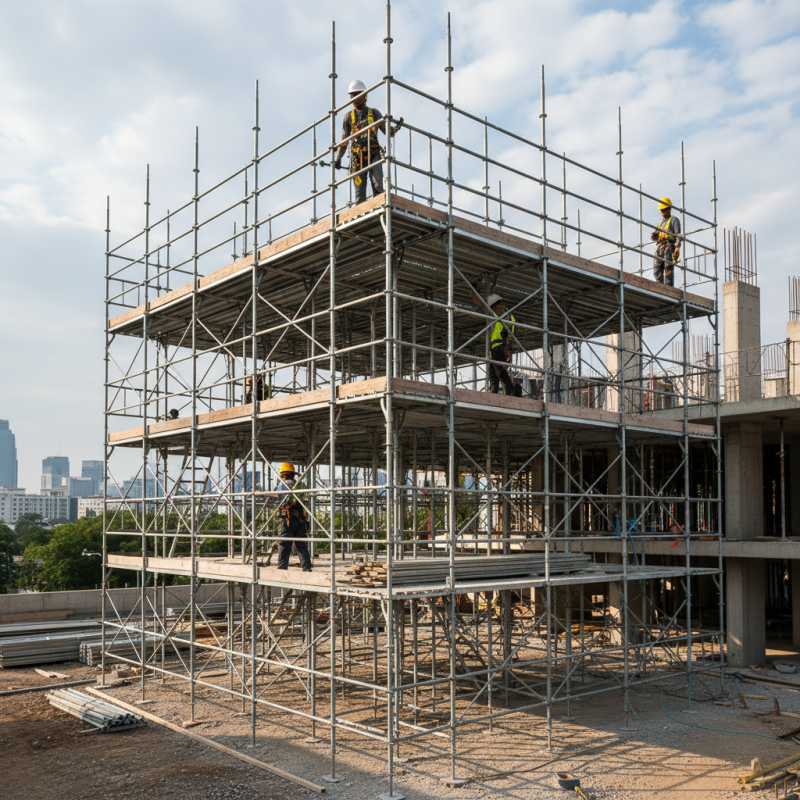
Choosing the right scaffolding is crucial for a successful construction project. There are various types to consider, each with unique characteristics. Think about the height you'll work at and the load it needs to support. If you’re dealing with a multi-story building, the scaffolding used must be sturdy and reliable. Inadequate support can lead to accidents and costly delays.
Take the time to assess your project needs thoroughly. Evaluate the site conditions and the scope of work. Is the ground uneven? Will it require additional stabilizing elements? Sometimes, the most straightforward scaffolding might not be sufficient. Mistakes in selection can compromise safety and efficiency.
Engage with your team to gather input. Different perspectives can highlight overlooked aspects. Ensure everyone feels comfortable with the chosen scaffolding. A flexible approach can adapt to evolving project demands. Remember, investing in the right scaffolding can save you headaches later on.
Understanding the Components of Workhorse Scaffolding Systems
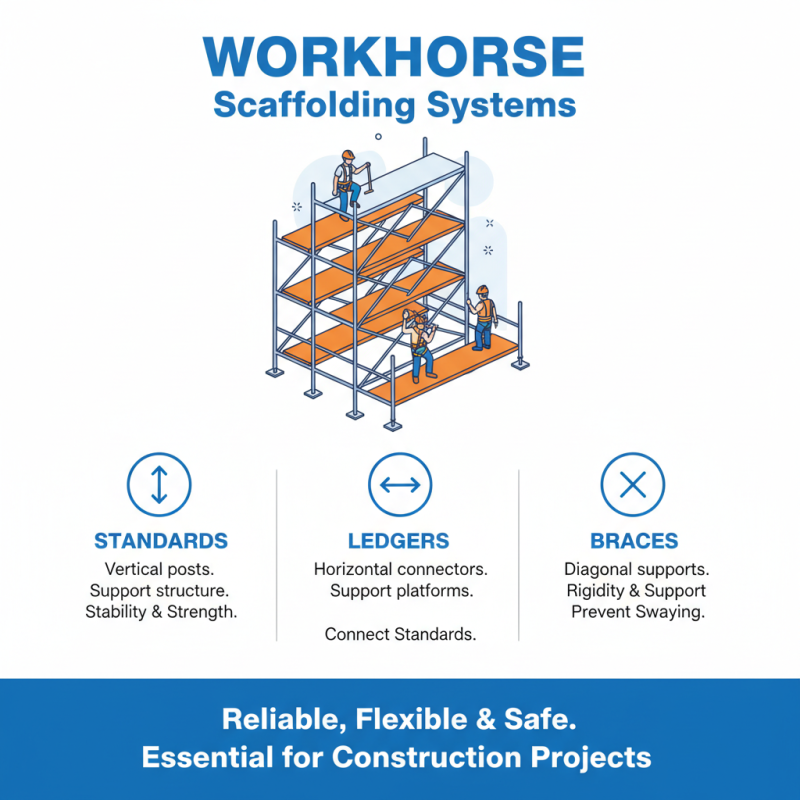
When working on construction projects, understanding scaffolding is crucial. Workhorse scaffolding systems are reliable and widely used. They offer flexibility and safety for workers at various heights. Key components of these systems include standards, ledgers, and braces. Standards are vertical posts that support the entire structure. They provide stability and strength. Ledgers are horizontal components that connect the standards. They also serve to support the decking or platforms.
Proper assembly is vital for safety. Reports show that improper scaffolding leads to 65% of fall accidents. Regular inspections and maintenance can reduce risks. Always check for damaged components before use. Also, consider the load capacity of the scaffolding. Overloading can compromise safety.
Tips: Ensure that workers wear safety gear. This includes helmets and harnesses. Training sessions on proper setup will enhance safety awareness. Remember, challenging conditions can lead to oversights. Diligence in setup and regular checks help prevent mistakes. Focus on clear communication among team members. This promotes better teamwork and safety practices.
Step-by-Step Installation Process for Workhorse Scaffolding
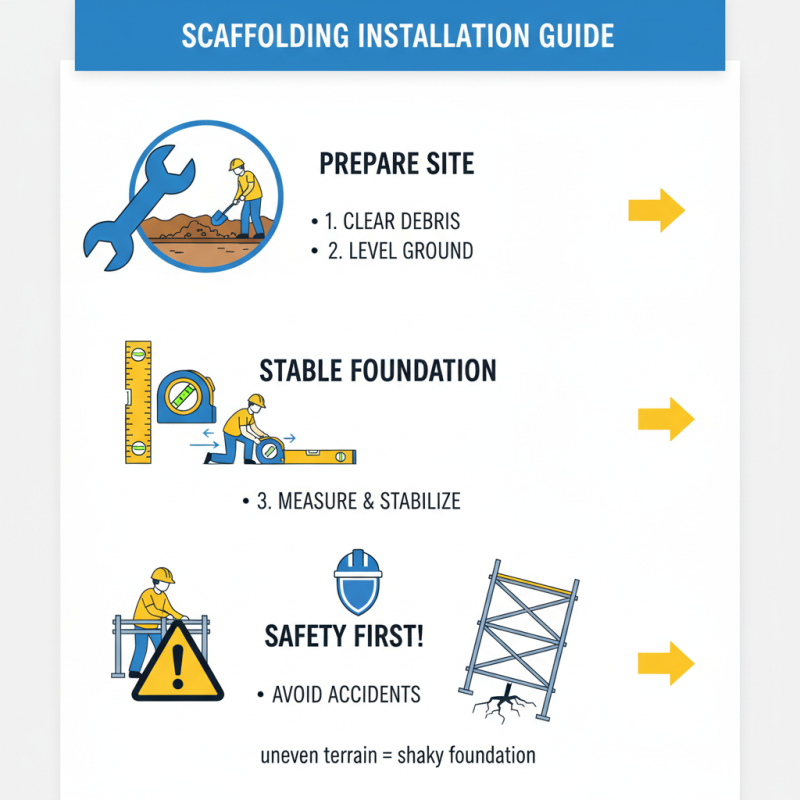
When taking on a construction project, it’s crucial to understand how to install scaffolding correctly. Start by preparing the site. Clear the area of debris and ensure the ground is level. This can be a challenge in uneven terrain. Use measuring tools to check that all points are stable. Safety is important, and a shaky foundation can lead to accidents.
Assemble the scaffolding according to the manual instructions. Lay out the components and double-check that you have everything. Connect the base plates to the vertical poles, making sure they are secure. Don't rush through this step, as improper assembly can lead to structural failures. After setting up the first level, add the cross braces to enhance stability. It's easy to forget these, but they are vital for balance.
Once you have the structure intact, inspect it closely. Look for any loose fittings or misalignments. It’s easy to overlook small details, but they can lead to bigger issues. Remember to think about safety rails as well. Installing them can prevent falls, but ensure they are properly affixed. Reflect on the entire process, and don’t hesitate to make adjustments. This can help improve both safety and efficiency for future projects.
Safety Guidelines and Best Practices When Using Scaffolding
Scaffolding is essential for construction projects, but safety must come first. Before setting up, ensure the ground is level. Inspect all parts for damage. This simple check can prevent accidents. Workers should wear helmets and safety harnesses. These are basic precautions that can save lives.
During assembly, follow the manufacturer’s guidelines. Pay attention to weight limits. It’s crucial. Everyone on site should understand load capacities. Keep the area clear of debris. A clean workspace reduces trip hazards. Be mindful of how you maneuver around the scaffolding. Improper handling can lead to falls.
Regular safety meetings are helpful. Make them a habit. They can reveal overlooked dangers. Encourage everyone to voice concerns. Reflection on past projects can lead to better practices. Encourage your team to share experiences. Learning from mistakes is vital. It's okay to reassess your approach continually. Always be open to change.
Scaffolding Safety Compliance Overview
Maintenance Tips for Long-lasting Workhorse Scaffolding Performance
When using workhorse scaffolding, maintenance is crucial for longevity. Regular checks can prevent serious accidents. Inspect all components before setup. Look for damage or wear. Replace any faulty parts immediately.
Cleaning is also vital. Dust and debris can accumulate on the surfaces. Use a damp cloth to wipe down the scaffolding. Focus on joints and connections where dirt tends to gather. This simple step enhances performance.
Consider the environment too. Rain and humidity can affect durability. Store the scaffolding indoors when not in use. If exposed to the elements, it may rust faster. Make adjustments as needed to maintain stability. All these practices help in achieving safe and efficient use of scaffolding.
How to Use Workhorse Scaffolding for Your Next Construction Project? - Maintenance Tips for Long-lasting Workhorse Scaffolding Performance
| Maintenance Tip |
Description |
Frequency |
Expected Lifespan |
| Inspect for Damage |
Check for cracks, bends, and corrosion in frames and connections |
Weekly |
5-10 years with proper care |
| Clean Regularly |
Remove dirt, grease, and debris to prevent rust and maintain grip |
Every 2 weeks |
Indefinite with routine cleaning |
| Lubricate Moving Parts |
Apply lubricant to hinges and locks to ensure smooth operation |
Monthly |
3-5 years with proper lubrication |
| Store Properly |
Keep scaffolding in a dry, protected location to avoid environmental damage |
After each use |
Indefinite with proper storage |
| Train Staff |
Ensure all personnel are trained in safe setup and usage |
Annually |
Ongoing effectiveness |