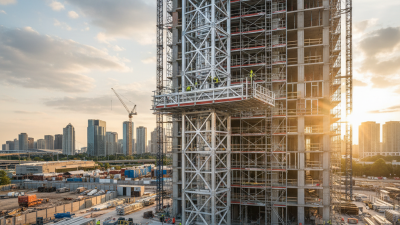
What Is an EZ Scaffold Mast Climber?

An ez scaffold mast climber is a powered work platform that travels vertically along a mast attached to a building. It can carry workers, tools, and materials to changing elevations. Unlike a fixed scaffold, it moves with the work. That can mean fewer climbs up ladders and less time shifting materials by hand. But the machine is not a shortcut around planning.

David V. MacCollum, a construction-safety author and consultant, has written extensively about hazard planning. A concise paraphrase of his safety approach is: “Plan the work, inspect the system, and protect the crew.” This is a paraphrase, not a verbatim quotation. The distinction matters. On site, crews need to follow the manufacturer’s instructions, check the mast and platform before use, and confirm that workers understand operating procedures. Small details count: a loose connection, an overloaded deck, or a poorly planned loading point can change the risk.

This guide explains what an ez scaffold mast climber is, how its main components work, and where it may fit on a project. It also looks at setup, daily checks, operator training, and practical limits. A mast climber can provide steady access beside a façade. It cannot make every building or task suitable for the same configuration. That deserves a closer look. Real sites are rarely as tidy as product diagrams, and that is worth remembering.
What Is an EZ Scaffold Mast Climber?

Definition and Core Purpose of an EZ Scaffold Mast Climber

What Is an EZ Scaffold Mast Climber?

Definition and Core Purpose of an EZ Scaffold Mast Climber

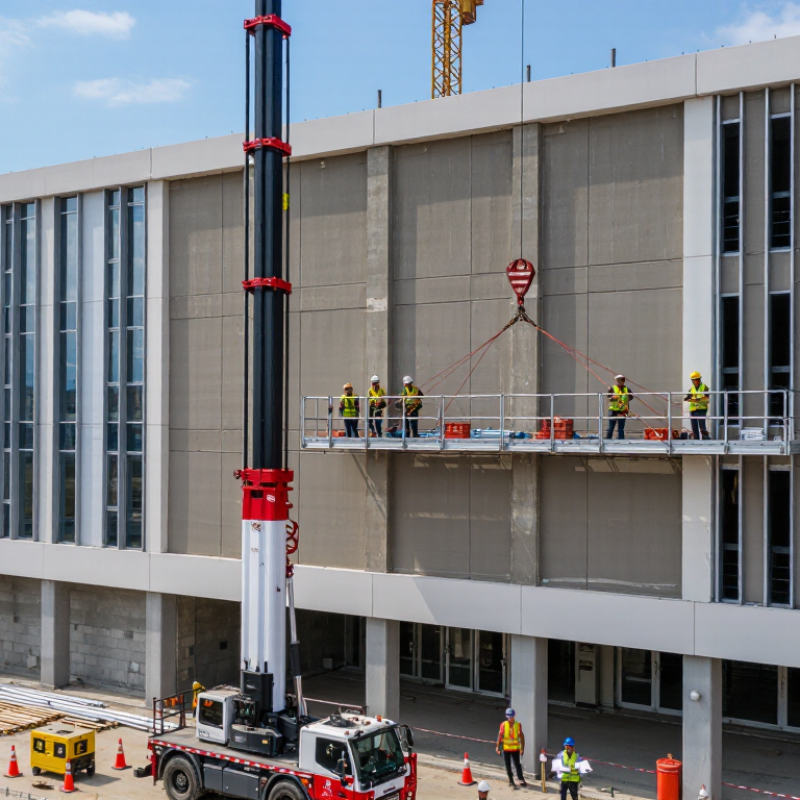
An EZ scaffold mast climber is a powered work platform that travels vertically along a fixed mast. Workers use it to reach sections of a building façade while carrying tools and materials. Unlike a basic ladder, it provides a larger, adjustable work area. That is the purpose.

The system typically includes a ground-level base, mast sections, a climbing mechanism, and a guarded platform. As the platform rises, workers can position it near tasks such as masonry, façade repairs, or window installation. A level deck helps keep tools within reach, though materials still need to be secured and distributed carefully. Not a simple lift.

Its core purpose is controlled vertical access, not unrestricted movement around a site. Mast height, anchoring, platform capacity, and setup depend on the equipment design and site conditions. Those details matter. A trained team should follow the equipment instructions and the site’s engineering plan, checking the mast, ties, controls, and work area before use. It can be tempting to focus only on how high the platform goes; stability and correct loading deserve equal attention. Exact configurations vary.

Main Components and Mast-Climbing Mechanism

A mast-climbing work platform uses a powered carriage to travel vertically along a fixed mast. Its main components include a ground-level base, mast sections, drive units, a work platform, and operating controls. The base spreads loads across prepared ground. Mast sections connect upward, while the drive units move the platform along them. A simple layout, but every connection matters.

The platform holds workers, tools, and materials. Guardrails, access gates, and emergency-stop controls help manage everyday risks. Tie-ins connect the mast to the building when the installation design requires them. The exact arrangement depends on height, loading, and site conditions. OSHA’s scaffold guidance cites an estimate of 4,500 scaffold-related injuries and 60 deaths annually in the United States. That figure covers scaffolds broadly, not mast climbers alone (OSHA, Scaffolds eTool).

During climbing, synchronized drive units move the platform up or down the mast. Operators should check that the structure is level, components are secured, and loads remain within rated limits. Inspection matters. A loose connection can be hard to spot from the platform. OSHA’s figures are a reminder that powered movement does not remove scaffold hazards; careful setup and monitoring remain essential. One practical weakness is rushed checks. They can miss small changes in the mast or base.

What Is an EZ Scaffold Mast Climber? - Main Components and Mast-Climbing Mechanism

Component or stage Main function How it relates to climbing Practical safety consideration
Working platform and deck Provides a raised work area for personnel, tools, and materials. The platform is carried by the climbing frame and moves vertically along the mast. Keep loads within the rated capacity and distribute them as specified for the equipment.
Mast sections and rack Form the vertical guide structure; rack teeth provide the engagement path for the drive pinion. Sections are connected to build the required height, and the drive unit travels along the mast rack. Check assembly, connections, alignment, and rack condition according to the manufacturer’s instructions.
Base frame and supports Supports the mast and transfers equipment loads to the supporting surface. Provides the starting support for the mast and climbing assembly. The supporting surface and base arrangement must meet the equipment’s site and setup requirements.
Drive unit, motor, and pinion Supplies controlled movement through a motor-driven pinion that engages the mast rack. As the pinion turns against the rack, the drive assembly and attached platform travel up or down the mast. Inspect and operate the drive system only as directed; do not bypass safety devices.
Mast ties or building ties Connect the mast to the structure where required by the installation design. Help stabilize the mast as it rises; tie locations and spacing depend on the engineered setup and equipment instructions. Use approved attachment details and verify ties before operation and as required during use.
Guardrails, gates, and toeboards Help protect occupants and reduce the risk of people or materials falling from platform edges. Move with the platform and provide edge protection at the working level. Keep access gates and protective components in their required positions during operation.
Controls and travel limits Allow authorized operators to control movement; limit switches or other devices may restrict travel. Command the drive system and, where fitted, help stop movement at defined travel points. Test controls and safety devices using the prescribed procedure before use.
Typical climbing sequence Describes the basic movement of a mast-climbing work platform. The motor turns the pinion; the pinion engages the rack; the drive and platform move along the mast; the mast is extended and tied as required by the approved installation plan. Exact operating steps, capacities, tie requirements, and inspection intervals are equipment- and site-specific. Follow the applicable manual and approved plan.

A mast-climbing work platform is a powered platform that travels vertically along a mast, commonly using a motor-driven pinion engaging a rack. Component details and configurations vary by equipment and installation.

How the Platform Is Installed and Operated

What Is an EZ Scaffold Mast Climber?

How the Platform Is Installed and Operated

An EZ scaffold mast climber is a powered work platform that moves vertically along a secured mast. It provides an adjustable deck for tasks such as masonry, facade repairs, and exterior finishing. Unlike a fixed scaffold, its working height can change as the job progresses. The name does not describe one universal setup; capacity, mast arrangement, and tie requirements depend on the equipment and site.

Installation begins with a firm, level base that can support the machine and its expected load. Trained personnel assemble the mast and platform according to the equipment instructions and site-specific plans. They install required ties, guardrails, access gates, and power connections, then inspect the complete system before use. Operators should check controls, emergency stops, platform condition, and load limits each shift. Keep it level. A rushed measurement may seem minor, but it can affect the whole setup.

Tips: Keep materials evenly distributed and clear of gates and controls. Raise or lower the platform only from the designated operating position, with people and objects clear of moving parts. Stop work if the climber behaves unusually, the base shifts, or weather affects safe operation. Record and report concerns; do not improvise repairs.

Common Construction Applications and Worksite Benefits

An EZ scaffold mast climber is a powered platform that travels vertically along a fixed mast. Crews use it to reach changing work heights without repeatedly rebuilding traditional scaffold lifts. Common jobs include bricklaying, façade repairs, window installation, and exterior cladding. At a masonry site, workers can keep mortar, blocks, and hand tools close to the wall. The platform height can be adjusted as each course rises. Less climbing helps. But the equipment still needs careful planning.

OSHA’s Scaffold eTool estimates that protecting scaffold users could prevent about 4,500 injuries and 50 deaths each year.

That figure covers scaffold hazards broadly, not mast climbers alone. Mast climbers may reduce repeated ladder trips, but they do not remove risks from falls, overloading, or poor setup. A competent person should check the base, mast ties, platform capacity, and access before work begins. On narrow sites, delivery and ground conditions can complicate installation. The platform may feel convenient; that is no substitute for inspection, training, and clear load limits.

Safety Requirements, Inspection, and Operating Limits

An EZ scaffold mast climber is a powered work platform that travels vertically along a mast. It gives crews access to façades, but its safe use depends on correct setup and disciplined operation. OSHA requires a competent person to inspect scaffolds before each work shift and after events that could affect structural integrity. Look closely at mast connections, ties, platform gates, guardrails, controls, and the ground beneath the base. Small defects matter.

Load limits are not suggestions. Count workers, tools, and materials together, and never exceed the platform’s rated capacity or the configuration stated in its manual. Keep loads balanced; a stack of blocks at one edge can create an avoidable hazard. Wind limits vary by equipment and setup, so follow the manufacturer’s instructions and stop work when conditions exceed them. BLS recorded 395 fatal falls in the construction industry in 2022, underscoring why access equipment and fall protection deserve serious attention.

Before raising the platform, confirm that the mast is plumb, required ties are installed, and the landing area is clear. Operators should understand emergency lowering procedures and keep people away from moving parts. Recheck after relocation, impact, severe weather, or any unusual movement. A checklist helps, but it cannot replace judgment; I would still pause if the platform feels unstable, even when the paperwork looks complete.