Why is a Non Stop Scaffolding Manual Essential for Safety?
A non stop scaffolding manual is vital for ensuring safety at construction sites. Scaffolding is often used for high-rise buildings. Workers rely on sturdy frameworks to perform tasks efficiently. However, without proper guidance, accidents can occur. A clear manual provides essential information about assembly, usage, and maintenance.
Safety standards in scaffolding are crucial. Many workers do not fully understand the risks involved. A non stop scaffolding manual can help bridge this knowledge gap. It outlines safe practices and identifies potential hazards during operations. Ensuring that everyone on the site is informed is essential for a secure environment.
With scaffolding, the focus should always be on safety first. Reflecting on past accidents can reveal the importance of proper training. Workers often overlook basic precautions in the rush to complete tasks. A comprehensive manual can serve as a reminder and a resource. It is not just about guidelines; it’s about creating a culture of safety.

Importance of Safety Training in Scaffolding Operations
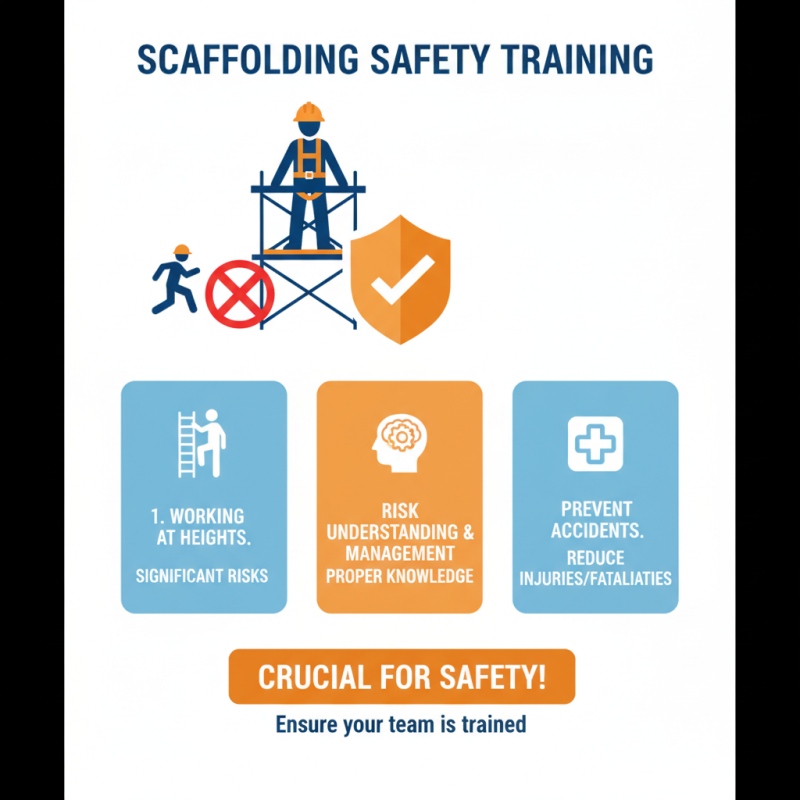
Safety training in scaffolding operations is crucial. Scaffolding involves working at heights, which poses significant risks. Proper training ensures workers understand these risks. They learn how to manage them effectively. Without this knowledge, accidents can occur, leading to severe injuries or fatalities.
Tips for Safety Training:
Always conduct hands-on training sessions. This helps workers learn practical skills. Visual demonstrations make complex concepts easier to grasp. Remember, workers may forget theoretical lessons. But they will remember what they practice.
Furthermore, regular refresher courses are needed. Scaffolding techniques and safety regulations change often. Keeping up-to-date is essential for all. Managers should encourage open discussions about safety concerns. This approach fosters a culture of safety awareness. It's vital to recognize that no one is immune to mistakes. Continuous learning is the key to preventing accidents in scaffolding operations.
Key Regulations and Standards Governing Scaffolding Safety
Scaffolding plays a crucial role in construction, but safety cannot be overlooked. Key regulations and standards are in place to ensure safe scaffolding practices. These guidelines are designed to protect workers from falls and injuries. They cover everything from design considerations to the materials used.
Understanding the local regulatory framework is essential. Check for specific codes that apply to your area. Regular inspections are necessary to ensure compliance with safety standards. Proper training for workers is also crucial. Training should include safe building procedures and emergency response tactics.
Tips: Always use qualified personnel for scaffolding setup. Verify that equipment is certified and in good condition. Create a checklist for daily inspections to catch any potential hazards. Document any safety issues you encounter. Not all sites are the same; adapt your methods accordingly. Reflect on past near misses to improve safety practices.
Common Hazards Associated with Scaffolding and Their Mitigation
Scaffolding presents various hazards that can lead to serious accidents. Falls from height are the most common threats. Workers are often at risk when safety gear is not used correctly. Equipment failure can also contribute to dangerous situations. A poorly built scaffold can collapse, leading to injury or worse. It is crucial to ensure that scaffolding is constructed according to safety standards.
Another significant hazard relates to unstable ground. Scaffolding set up on uneven surfaces can be very dangerous. Workers may find themselves in precarious positions. This must be monitored closely during construction. Additionally, weather conditions can pose risks. High winds can destabilize scaffolding. Workers must be trained to recognize these dangers.
Mitigation strategies are vital. Regular inspections of scaffolding can catch issues early. Workers should always wear proper safety gear. They need to be trained to understand how to use it effectively. Encouraging a culture of safety can help reduce risks significantly. Everyone must engage in maintaining safety standards. It is a shared responsibility that requires continuous reflection and improvement.
Why is a Non Stop Scaffolding Manual Essential for Safety? - Common Hazards Associated with Scaffolding and Their Mitigation
| Hazard |
Description |
Mitigation Strategy |
| Falls |
Workers falling from heights due to improper scaffolding setup. |
Ensure proper guardrails and fall protection systems are installed. |
| Collapse |
Scaffolding collapses due to structural failure. |
Regular inspections and adherence to load capacity guidelines. |
| Electrocution |
Contact with overhead power lines or electrical equipment. |
Maintain safe distances from electrical sources and use insulated tools. |
| Falling Objects |
Tools or materials falling from scaffolding onto workers below. |
Use debris nets and tool lanyards to secure items. |
| Improper Usage |
Using scaffolding in a manner not intended by the manufacturer. |
Provide training on proper scaffolding use and setup. |
Role of a Non Stop Scaffolding Manual in Preventing Accidents
A Non Stop Scaffolding Manual is crucial for safety on construction sites. This manual serves as a guide to ensure that workers follow safety protocols. Without it, the risk of accidents escalates. Scaffold failures often stem from poor practices. A clear manual provides essential instructions and checklists.
For instance, if workers neglect to inspect equipment regularly, they may face dire consequences. A well-designed manual stresses the importance of these inspections. It can help identify worn-out components and prevent collapses. Additionally, the manual outlines proper assembly techniques. Missteps during assembly are common causes of injuries.
Moreover, training sessions using the manual enhance worker awareness. Workers can better understand their roles and responsibilities. Inadequate training can lead to oversight and mistakes. A non-stop scaffolding manual fosters a culture of safety. It encourages constant vigilance against hazardous conditions. Workers must reflect on their actions. Ultimately, safety manuals are not just paperwork; they are vital tools for protecting lives.
Industry Statistics on Scaffolding-Related Injuries and Fatalities
Scaffolding is crucial in construction. However, it poses significant risks. According to industry data, scaffolding-related injuries are alarmingly high. Many workers face falls, which can lead to severe injuries or fatalities. Each year, hundreds of workers are affected by accidents involving poorly erected scaffolds.
Not adhering to safety measures exacerbates these risks. Inadequate training or lack of oversight often leads to tragic incidents. A logical approach is needed. Implementing a comprehensive scaffolding manual is essential. This manual should cover proper setup, inspection protocols, and emergency procedures. Clear instructions can greatly reduce accidents.
Statistics further highlight the urgency of safety. Injuries often arise from improper use of scaffolding materials. Reports reveal that many incidents involve scaffolding failures. These failures are frequently linked to human error. Addressing this issue requires serious commitment and ongoing education. It’s not just about compliance; it’s about preserving lives and wellbeing on the job site.