How to Crank Up Scaffolding for Your Next Project?
Embarking on a new project requires careful planning, especially when it comes to safety and structure. One critical aspect is how to effectively crank up scaffolding. Proper scaffolding ensures workers have a secure platform to perform their tasks. It’s not just about assembling materials; it’s about doing it right to avoid accidents.
Many underestimate the intricacies involved in this process. Yet, a well-structured scaffold can enhance workflow significantly. However, it’s essential to reflect on past experiences. Mistakes in scaffold setup can lead to setbacks, jeopardizing both the project timeline and safety.
Understanding the fundamentals of cranking up scaffolding will make a noticeable difference. Professionals must consider height, weight capacity, and weather conditions. Each of these elements can impact the stability of the scaffolding. In this guide, we’ll explore practical steps and tips to ensure that your scaffolding is not only effective but resilient.

Understanding the Importance of Scaffolding in Construction Projects
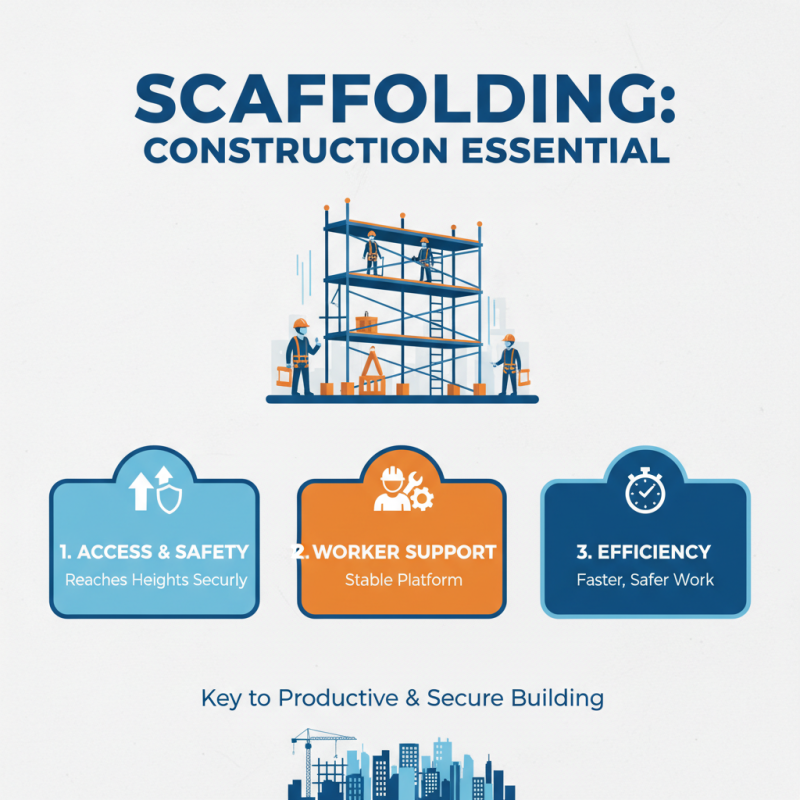
Scaffolding plays a crucial role in construction projects. It provides support and safety for workers at various heights. The importance of scaffolding cannot be overstated. It ensures that laborers can access hard-to-reach areas without compromising safety. A well-constructed scaffold allows for efficiency.
Various types of scaffolding exist. Some projects may require complex structures, while others may need simple setups. Often, teams overlook the planning stage. This can lead to unsafe conditions and project delays. Workers should receive proper training and guidelines for scaffold use. Experience in assembly and maintenance matters greatly for safety.
Attention to detail is necessary. Inspecting scaffolding regularly can prevent accidents. Without diligent monitoring, issues can arise quickly. Communication among team members about safety practices is essential. Everyone must be on the same page. Inadequate scaffolding can jeopardize the entire project. Evaluating risks and taking precautions should be priorities on every job site.
Types of Scaffolding: Choosing the Right One for Your Needs
When choosing scaffolding, it’s crucial to assess the specific needs of your project. Different types serve various functions. For example, frame scaffolding is popular for straightforward tasks due to its ease of assembly. It provides solid support for workers and materials. This option suits smaller construction sites and makes access simple.
On the other hand, suspended scaffolding is ideal for high buildings. It allows workers to reach different heights with ease. Yet, it demands careful setup and proper safety measures. Missteps here can lead to accidents. Another option is rolling scaffolding, which offers mobility. However, on uneven ground, stability can be a concern, requiring close attention during use.
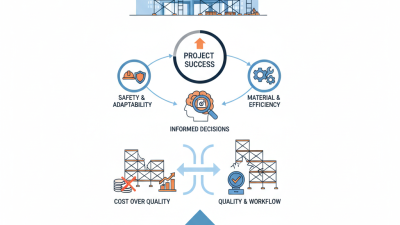
Choosing the right scaffolding is a balance of safety and efficiency. Consider project size, height, and the terrain. Each type has advantages and drawbacks. Understanding these can help you select the most effective scaffolding for your unique needs. Remember, a proper setup can enhance productivity and safety, while a wrong choice may complicate your workflow.
Essential Safety Practices When Setting Up Scaffolding
Setting up scaffolding requires careful planning and attention to safety practices. Before beginning, inspect the ground where the scaffolding will stand. It should be level and free from any debris. Uneven or unstable ground can lead to accidents. Each component of the scaffolding must be checked for damage or wear. Frayed ropes, bent frames, and worn-out planks are red flags. These elements directly impact stability.
Next, ensure that all workers on the site wear appropriate personal protective equipment (PPE). Hard hats, gloves, and non-slip footwear are ideal. Workers should be trained in scaffold safety. They must understand how to properly ascend and descend. Communicating with your team about hazards like overhead power lines is also critical. These precautions can prevent injuries and promote a safer work environment.
Regularly reassessing the scaffolding during the project is vital. Weather changes can impact stability. Rain or wind may require immediate action, such as taking down the scaffold. Always be ready to adapt your setup. Reflect on past projects to improve future scaffold setups. A commitment to safety ensures a successful and secure working environment.
Step-by-Step Guide to Erecting and Dismantling Scaffolding
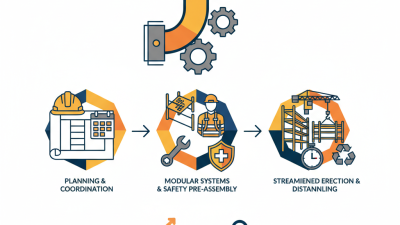
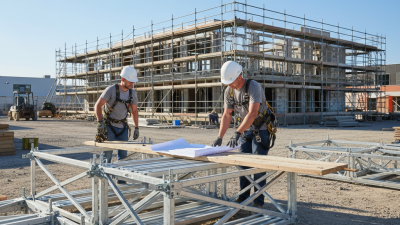
Erecting scaffolding requires careful planning. Begin by assessing the work site. Ensure the ground is level and stable. Measure the height and dimensions of the area. Check for overhead hazards. A thorough inspection will save time and avoid accidents.
Gather your materials and tools. You will need scaffolding frames, cross braces, and safety equipment. Lay everything out in an organized manner. Assemble the base first. Use plumb and level tools to ensure vertical alignment. It’s vital to reinforce the structure with diagonal braces. Many overlook this step, leading to instability.
Dismantling scaffolding can be tricky. Always follow safety instructions. Remove components in reverse order. Be cautious of falling debris. Ensure the surrounding area is clear. Reflect on each step taken. Are there areas for improvement? Effective communication with your team is essential.
How to Crank Up Scaffolding for Your Next Project? - Step-by-Step Guide to Erecting and Dismantling Scaffolding
| Step |
Action |
Tools Needed |
Safety Precautions |
| 1 |
Site Inspection |
Measuring Tape, Level |
Wear a hard hat |
| 2 |
Setting Up Base Plates |
Base Plates |
Check for stability |
| 3 |
Assembling Frames |
Scaffolding Frames |
Use gloves |
| 4 |
Adding Planks |
Planks |
Ensure planks are secured |
| 5 |
Installing Guardrails |
Guardrails |
Inspect guardrail integrity |
| 6 |
Final Inspection |
None |
Use a safety harness if necessary |
| 7 |
Dismantling |
Tools for disassembly |
Wear gloves and hard hat |
Maintenance and Inspection Tips for Long-lasting Scaffolding Solutions
Maintaining and inspecting scaffolding is essential for safety and longevity. According to a 2022 report by the Occupational Safety and Health Administration (OSHA), improper scaffold use leads to approximately 4,500 injuries every year. Regular inspection ensures your scaffolding can withstand the weight and stress of construction tasks.
Inspect scaffolding before each use. Look for signs of wear or damage. Pay attention to loose fittings and rust. If scaffolding hasn’t been used for a while, a thorough check is critical. Utilize a checklist for inspections. This can enhance reliability and safety.
Consider maintenance tips to extend the life of your scaffolding. Clean the equipment regularly to remove debris and prevent rust. Store scaffolding indoors or in dry conditions when not in use. Ensure it is protected from adverse weather conditions. Over time, UV exposure and moisture can weaken the materials.
Remember that scaffolding safety is a shared responsibility. Ensure everyone on the site knows how to inspect and maintain scaffolding. Communication is key. Create a culture of safety that prioritizes rigorous inspections and maintenance practices. Your team's awareness can significantly influence the efficiency of scaffolding operations.
Scaffolding Maintenance and Inspection Frequency