What is Crank Scaffold and How Does it Work?
Crank scaffold is an essential tool in construction and industry. It provides a safe working platform at various heights. Workers use it for tasks like painting, maintenance, or assembly. One unique feature of crank scaffold is its adjustable height. This flexibility allows workers to reach different areas without risking safety.
However, using crank scaffold requires careful planning. Improper setup could lead to accidents. Workers must ensure the scaffold is stable and secure. Safety measures, such as guardrails, should always be in place. Not every worker understands these requirements, leading to overlooked details.
Crank scaffold plays a vital role in modern construction. Yet, its misuse can have serious consequences. It’s crucial to promote proper training for all users. Regular inspections and adherence to safety guidelines can minimize risks. Understanding its function is not enough; practical knowledge is essential.
What is a Crank Scaffold?
A crank scaffold is a type of temporary structure used in construction and maintenance. It is designed to provide a stable platform for workers at different heights. The system consists of interconnected frames, platforms, and cranks, allowing for easy adjustment. This flexibility is important for various tasks like painting, repairing, or installing fixtures.
The key feature of a crank scaffold is its adjustable height. Workers can quickly raise or lower the platform as needed. This saves time and enhances safety by keeping workers at a comfortable level. However, using a crank scaffold requires proper training. Mismanagement of the height adjustment can lead to accidents or injuries. Regular inspections are also necessary to ensure all components are functioning properly.
Constructing a crank scaffold may seem straightforward, but attention to detail is critical. Any oversight in assembly can compromise its integrity. Workers must always prioritize safety measures. Using personal protective equipment is essential. Having a clear communication plan among team members can prevent misunderstandings and enhance workflow. A well-maintained crank scaffold can significantly improve productivity but requires diligence and constant vigilance.
What is Crank Scaffold and How Does it Work?
| Feature |
Description |
| Definition |
A crank scaffold is a type of scaffolding characterized by its adjustable arms, which allow workers to maintain a stable platform at various heights. |
| Materials |
Typically constructed from steel or aluminum, providing strength and durability. |
| Common Uses |
Used in construction, maintenance, and repair work where height adjustments are necessary. |
| Advantages |
Easily adjustable, stable under load, and can be adapted to various construction environments. |
| Safety Features |
Includes guardrails, toe boards, and locking mechanisms to prevent accidental collapse. |
| Height Adjustability |
Can be adjusted in small increments, allowing flexibility for working on various heights. |
| Installation |
Relatively easy to assemble and disassemble, which saves time on the job site. |
Key Components of Crank Scaffolds
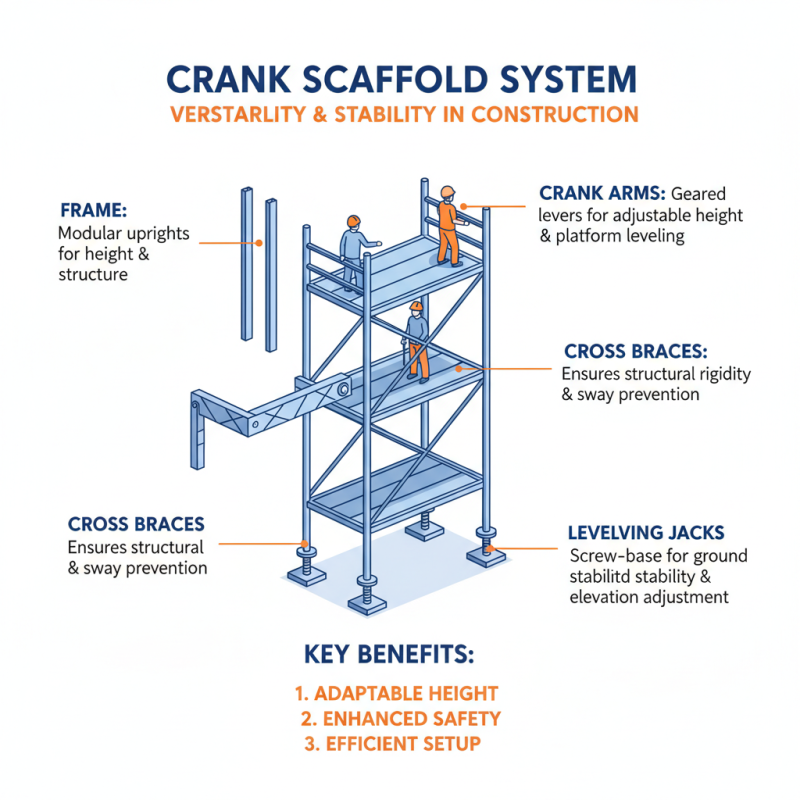
Crank scaffolds are widely used in construction for their unique design, providing versatility and stability. The key components of crank scaffolds include the frame, crank arms, cross braces, and leveling jacks. Each piece serves a specific function that contributes to the overall safety and efficiency of the scaffold system.
The frame acts as the core structure, supporting the scaffolding system. Made from steel or aluminum, it must meet industry standards to ensure strength. Crank arms extend and retract, allowing the scaffold to be adjusted to various heights. This adaptability is vital for working on uneven surfaces. Cross braces add lateral support, stabilizing the structure against winds or accidental bumps. Meanwhile, leveling jacks can compensate for sloping ground, making the setup safer.
According to a report by the Occupational Safety and Health Administration (OSHA), improper scaffolding can lead to significant accidents. Over 50% of scaffold-related injuries result from falls. This statistic emphasizes that knowledge of these components is crucial for site safety. However, many workers sometimes overlook proper assembly, risking stability. Continuous training on scaffold usage is necessary to prevent these mishaps and enhance worker safety.
How Crank Scaffolds are Assembled and Disassembled
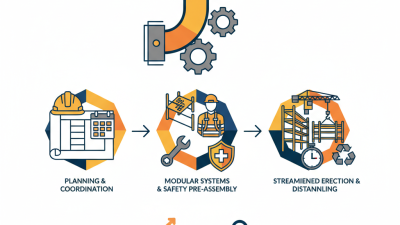
Crank scaffolds are essential in construction projects, providing height and stability. Their assembly and disassembly require careful planning. Workers typically start by laying out all components. This includes beams, platforms, and crank mechanisms. Proper organization speeds up the process. Reports suggest that efficient assembly can reduce labor time by up to 30%.
During assembly, workers connect the base first. This creates a stable foundation. After that, they attach vertical poles and crank systems. Safety is crucial here. SCM International's study found that improper assembly increases accident risks by over 15%. Disassembly follows a reverse process. Crews must handle components with care to avoid damaging them.
Mistakes can happen, even in skilled teams. For instance, misalignment in cranking systems can lead to instability. It's vital to inspect the scaffold regularly. The Structura Report notes that about 20% of scaffold failures could have been prevented with proper checks. Thus, maintaining a focus on both assembly techniques and safety checks is essential in reducing risks.
Applications and Benefits of Using Crank Scaffolds
Crank scaffolds are versatile tools used in construction. They provide stability and flexibility for various projects. One major benefit of crank scaffolds is their adjustable height. This feature allows workers to reach different levels safely. It's perfect for both small repairs and large installations.
There are several applications for crank scaffolds. They are commonly used in building façades, painting, or window installations. In the industrial sector, they aid in maintenance tasks. These scaffolds are also effective in renovation projects. They fit into tight spaces where other scaffolds may not.
Tips for using crank scaffolds effectively: always inspect the equipment before use. Check for any wear or damage. Secure the scaffold on a flat surface. This will prevent tipping and ensure safety. Additionally, encourage team communication. Everyone should know the plan, especially in busy environments. This will create a safer workspace.
While crank scaffolds offer many benefits, they require careful handling. Improper use can lead to accidents. Workers need to be trained and knowledgeable about scaffold regulations. Continuous reflection on safety practices is essential for everyone involved.
Crank Scaffold Applications and Benefits
Safety Considerations When Using Crank Scaffolds
Crank scaffolds provide an effective solution for construction and maintenance tasks. However, safety must always be a priority when using them. To ensure worker safety, proper setup is crucial. All components must fit together securely. Inspecting the scaffold before each use is essential. This step prevents accidents caused by wear and tear.
Workers must also be trained in scaffold safety. They should understand how to use the crank mechanism and secure guardrails. Regular safety meetings can help reinforce these principles. Personal protective equipment (PPE) should be worn, including hard hats and harnesses. It's easy to overlook these details, but neglecting safety can lead to serious injuries.
Additionally, the surface underneath the scaffold needs attention. Uneven ground can cause instability. Workers should assess the site conditions before assembly. It’s a common mistake to rush through this step. Taking time on the groundwork can make a significant difference. Even though crank scaffolds are versatile, the risks cannot be overlooked. Ensuring a safe environment requires diligence and care at every stage.