Why Choose Artificial Grass for Your Next Project?
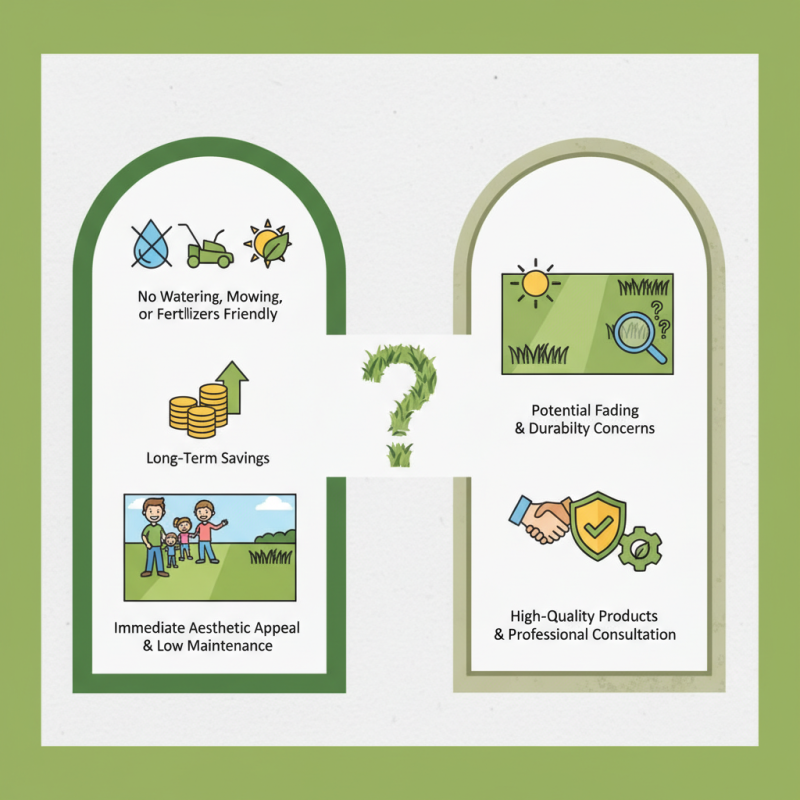
Artificial Grass has gained significant popularity in recent years. Its practical benefits appeal to many homeowners and businesses alike. The aesthetic appeal is immediate. Green lawns without the constant upkeep are attractive. This low-maintenance solution has become a go-to choice for landscaping projects.
Investing in Artificial Grass can lead to long-term savings. No more watering, mowing, or chemical fertilizers are needed. This makes it environmentally friendly. Yet, some might question its durability. Will it hold up against harsh weather? They may wonder about its texture compared to natural grass.
Understanding the pros and cons is vital. While it offers convenience, potential issues like fading exist. It's essential to select high-quality products. Consulting with professionals can help ensure the right choice. Embracing Artificial Grass requires careful consideration, but the benefits can be profound.
Benefits of Artificial Grass Over Natural Grass
When considering landscaping options, artificial grass stands out for several reasons. One key benefit is its low maintenance. Unlike natural grass, which requires regular mowing, watering, and fertilization, artificial grass needs minimal upkeep. Homeowners can enjoy a green space every season without the hassle of constant care. This means more time for relaxation and outdoor activities.
Another significant advantage of artificial grass is its durability. It withstands heavy foot traffic and weather changes much better than natural grass. This makes it ideal for families, pets, and recreational areas. However, it’s essential to consider installation quality and material choice. Not all artificial grasses are created equal, and a poor choice may lead to issues in the long run.
Tips for Choosing Artificial Grass: Look for products that come with warranties. Quality artificial grass should last for several years if properly maintained. Also, consider the infill material. This plays a crucial role in how the grass feels and performs. A good infill can enhance the grass's resilience and provide a more natural look underfoot. Don't shy away from requesting samples to feel the texture and gauge the quality before making a decision.
Cost-Effectiveness of Artificial Grass for Long-Term Projects
Artificial grass presents a compelling option for long-term projects, especially when evaluating cost-effectiveness. One of the most notable savings comes from reduced maintenance. Unlike natural grass, artificial turf does not require mowing, watering, or fertilizing. This translates to lower utility bills and less time spent on upkeep. In areas with water restrictions, synthetic grass offers a sustainable choice that conserves this vital resource.
Furthermore, initial investment costs can be offset by the longevity of artificial grass. It can last up to 15-25 years with minimal wear. While the upfront costs may seem high, the durability means fewer replacements and repairs. This longevity can be particularly appealing for commercial spaces, where maintaining a perfect image is crucial. However, it is essential to weigh the aesthetic appeal. Some people find artificial grass less appealing compared to lush, natural lawns. This perception requires careful consideration and discussion among stakeholders before making a final decision.
Additionally, the potential environmental impact of synthetic materials is a point of reflection. While artificial grass reduces water usage and eliminates chemicals, it may not break down like natural turf. This aspect can lead to waste concerns. Stakeholders must be informed and weigh these factors against the benefits. The conversation about cost-effectiveness should also include these broader implications for community well-being.
Cost-Effectiveness of Artificial Grass for Long-Term Projects
Environmental Impact: Water Conservation and Maintenance Reduction
Artificial grass offers significant benefits for environmental sustainability, particularly in terms of water conservation. Traditional lawns require regular watering, which can lead to wasteful consumption of this precious resource. In contrast, artificial grass virtually eliminates the need for irrigation. Homeowners can save thousands of gallons of water each year. This reduction is crucial, especially in regions experiencing drought.
Additionally, maintenance requirements for artificial grass are minimal compared to natural lawns. Mowing, fertilizing, and pest control are no longer necessary. Without these practices, harmful chemicals that often run off into storm drains are avoided, contributing to cleaner waterways. However, there are concerns regarding the heat retention of artificial surfaces. This can affect local microclimates. It's essential to balance convenience with environmental impact.
Choosing artificial grass isn't just about ease; it's an opportunity to reflect on our ecological footprint. Making this choice speaks to a commitment to sustainability. Yet, it prompts us to ask whether we are fully addressing all environmental concerns. Striving for a holistic approach means considering options that are both functional and environmentally sound.
Why Choose Artificial Grass for Your Next Project? - Environmental Impact: Water Conservation and Maintenance Reduction
| Feature | Artificial Grass | Natural Grass |
| Water Usage (per year) | 0 gallons | 50,000 gallons |
| Maintenance Time (per month) | 1 hour | 8 hours |
| Lifespan | 10-15 years | 5-10 years |
| Pesticides & Chemicals | None | Required |
| Initial Cost | $5-$7 per sq ft | $1-$3 per sq ft |
| Carbon Footprint | Lower | Higher |
Versatility of Artificial Grass in Various Applications and Settings
Artificial grass offers remarkable versatility for various applications. It can be installed in residential yards, commercial spaces, and even sports facilities. A recent industry report indicated that the global artificial turf market is expected to reach approximately $4 billion by 2026. This growth highlights the increasing acceptance of artificial grass in different settings.
In residential areas, homeowners appreciate the low maintenance requirements of artificial grass. It eliminates the need for regular mowing, watering, and fertilizing. This makes it an eco-friendly option, saving around 55 gallons of water per square foot annually. At the same time, artificial grass maintains its appearance year-round. Yet, some users express concerns about heat retention, particularly in high temperatures. Ensuring proper infill and installation can mitigate these issues.
Commercial applications range from landscaping to pet areas. Businesses utilize artificial grass to create green spaces that improve aesthetic appeal and attract customers. Sports teams deploy it for its durability and performance benefits. According to a study, artificial turf has a lower injury risk compared to natural grass. However, it is essential to consider the long-term cost-effectiveness. While initially more expensive, the durability and reduced upkeep costs may justify the investment over time. Addressing such factors is crucial for making informed decisions.
Aesthetic Appeal and Design Flexibility of Artificial Grass Solutions
Artificial grass offers remarkable aesthetic appeal and design flexibility for various projects. Its vibrant colors and realistic textures can truly enhance any outdoor space. Reports indicate that landscapes featuring artificial turf can see an increase in property value by up to 15%. This makes it an attractive choice for homeowners and businesses alike.
Creating unique designs is easy with artificial grass. It can be cut into various shapes and installed in numerous patterns, allowing for creative landscaping ideas. From residential lawns to commercial spaces, artificial grass adapts beautifully to fit specific design requirements. Homeowners can choose from various pile heights and shades to create their ideal environment. Consider focusing on areas that receive high foot traffic, ensuring durability and longevity.
**Tip:** When planning your project, visualize how the space will be used and choose colors that match your existing landscape. Pay attention to drainage needs, as effective water management is crucial. Regular maintenance, though less than natural grass, still requires an occasional brush and rinse to keep it looking fresh.
Artificial grass is not without its considerations. Some may find it too hot during summer months. Others may miss the natural feel of real grass underfoot. It's important to weigh these factors while exploring design options.