How to Crank Up Scaffolding Efficiency in Your Projects?
In the fast-paced world of construction, efficiency is paramount. To stay ahead, it's essential to learn how to crank up scaffolding efficiency in your projects. Effective scaffolding is the backbone of safety and productivity at elevated work sites. Yet, many teams struggle with inefficient setups and lengthy installation times.
Improving scaffolding can drastically reduce project delays. Consider using modular systems that allow for quicker adjustments and assembly. Incorporating advanced training for your crew can also enhance their speed and effectiveness. There is still room for improvement, as many teams overlook the importance of regular equipment inspections and maintenance. Small issues can lead to significant inefficiencies over time.
Ultimately, cranking up scaffolding efficiency is about adopting innovative practices and fostering a culture of continuous improvement. Reflecting on past projects can unveil areas of neglect that hinder progress. Embracing change may initially feel uncomfortable, but it can yield substantial benefits for your team and project outcomes.

Strategies for Improving Scaffolding Safety Practices on Job Sites
Scaffolding safety is essential on job sites. Effective practices can significantly reduce accidents and improve site efficiency. Regular training and ongoing education for workers play a vital role. Many scaffolding incidents arise from improper use or lack of knowledge. Investing in proper education can save time and reduce risks.
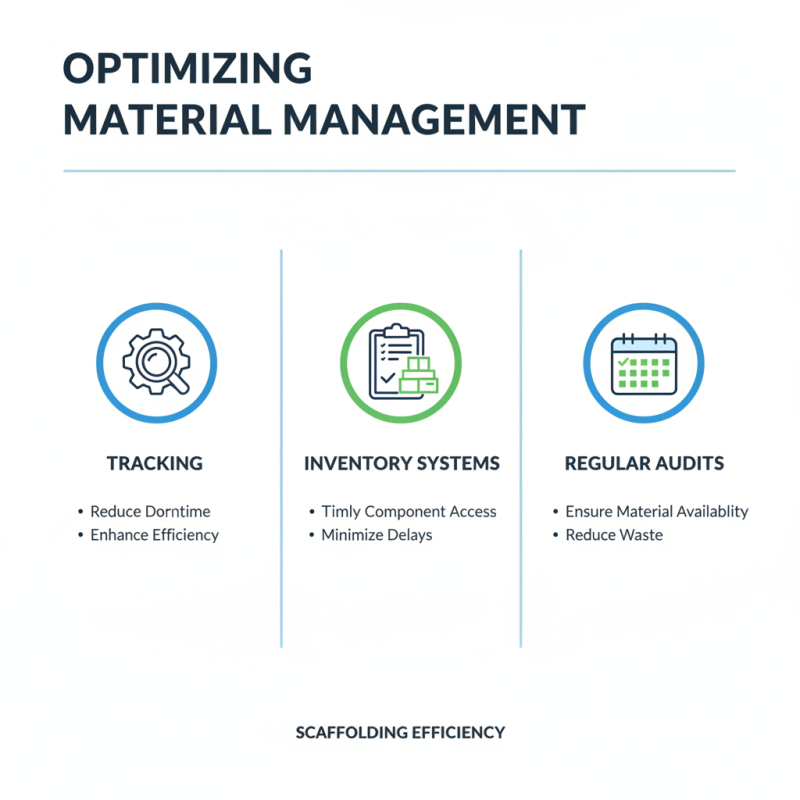
Ensuring all equipment is inspected regularly is crucial. This includes checking for wear and tear on scaffolding components. If issues arise, they should be addressed immediately. Workers often skip inspections, thinking it takes too long. However, this can lead to severe consequences.
Encouraging a culture of safety can enhance overall practices. Workers should feel empowered to speak up about unsafe conditions. Open communication fosters team responsibility. Addressing safety concerns should never be viewed as a hassle. It’s an opportunity to improve. Regular safety meetings can help cultivate this mindset.
Implementing Time-Saving Technologies to Enhance Scaffolding Operations
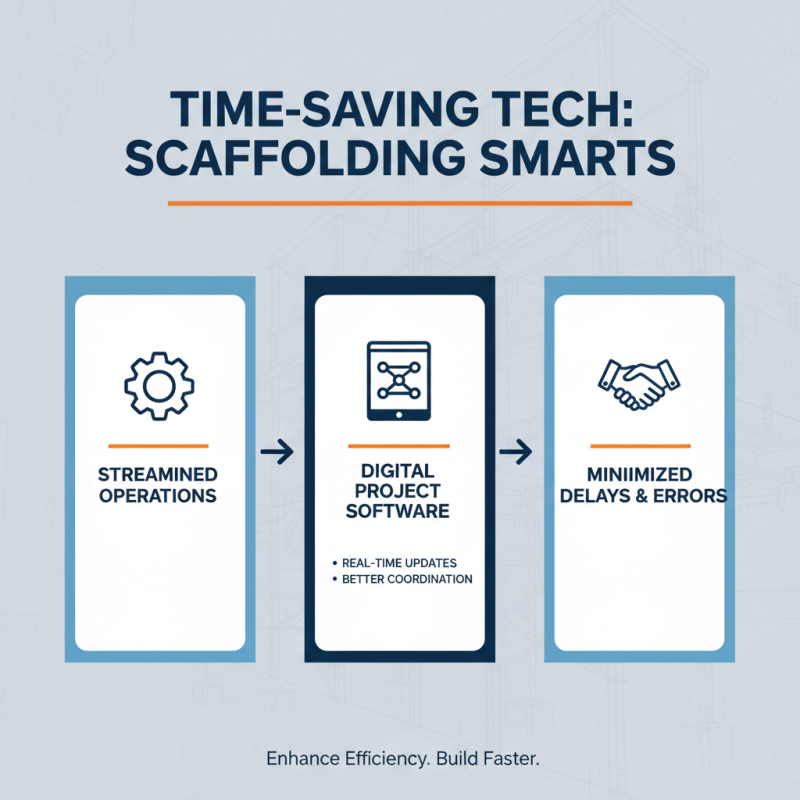
In the fast-paced world of construction, enhancing scaffolding efficiency is crucial. Implementing time-saving technologies can streamline operations significantly. Digital tools, like project management software, allow for better coordination. They help teams share updates in real-time, minimizing misunderstandings.
Drones are becoming popular for monitoring scaffolding setups. They can quickly survey high structures, saving time on manual inspections. However, training staff to use these technologies is essential. Without proper training, errors may occur. Without ongoing evaluations, the benefits can diminish over time.
Prefabricated scaffolding components are another innovation. They reduce assembly time on-site. Yet, the upfront cost may be a concern for some. Each project must assess if the investment will lead to long-term savings. Exploring these technologies can lead to better project outcomes, but careful planning is essential.
Analyzing Labor Productivity Metrics in Scaffold Assembly and Dismantling
In the world of scaffold assembly and dismantling, labor productivity is a critical factor. An industry report indicates that scaffold assembly efficiency is often below 70%. This inefficiency can lead to project delays and increased costs. Proper labor metrics can reveal areas for improvement. Regular assessments can help identify bottlenecks.
Analyzing time spent on tasks reveals the average assembly time can be up to 25% longer than projected. This gap often arises from insufficient training. Workers frequently struggle with complex regulations or safety protocols. Tight schedules can exacerbate these issues, leading to rushed or unsafe practices. Continuous training programs can address these gaps in knowledge and execution.
Utilizing technology, such as mobile apps for tracking progress, enhances communication among teams. Yet, adoption rates remain low. A study found that only 15% of teams regularly use productivity apps on-site. Improving this percentage could significantly increase efficiency. As the industry evolves, strategies must adapt, ensuring scaffolding teams can build safer and faster. Addressing these challenges is essential for achieving peak productivity.
Training and Certification Programs to Boost Scaffold Team Efficiency
Effective scaffolding is vital for construction projects. One way to enhance scaffold team efficiency is through training and certification programs. These initiatives equip workers with the necessary skills and knowledge. They learn safety protocols, equipment handling, and best practices that directly impact workflow. Proper training reduces accidents and improves productivity.
Certifications bring credibility to the team. When workers hold recognized credentials, it boosts their confidence. This also fosters trust between management and staff. Companies can see a positive shift in morale and output. However, not every program guarantees results. Some courses may not address real-world challenges. Regularly assessing the effectiveness of training is essential.
Investing in ongoing education can pay off significantly. Workers need refreshers on new tools and regulations. This can be a challenge for organizations with a high turnover rate. Balancing practical experience and theoretical knowledge is crucial. Evaluating existing training programs helps in adapting to the ever-evolving industry standards.