Choosing the Best High-Quality Electronic Dino Supplier in 2026 takes more than comparing glossy catalogs. A dinosaur that roars on a showroom table may behave differently after repeated play, rough handling, or a long trip in its carton. Buyers should examine movement, sound consistency, joint durability, battery access, surface finish, and the supplier’s inspection process. Small details matter. A loose tail joint or a speaker that crackles can turn an exciting toy into a return.
For transparency, the expert voice here is illustrative, not a real endorsement: fictional sourcing specialist Maya Chen offers this editorially written principle: “A reliable electronic dinosaur should perform consistently, not just impress during a sample demonstration.” Use it as a test, not a verified quotation. Ask potential suppliers for production samples, clear specifications, quality-control records, packaging details, and realistic lead times. Confirm how they handle defects and replacement parts, too. Answers should be specific. “We check everything” is not enough.
This guide compares supplier-selection factors relevant to 2026, including product design, customization, communication, and after-sales support. It does not assume one factory suits every buyer. A small order and a large retail program may need different capabilities. Even a careful review has limits: sample quality cannot guarantee every production unit will match. That is worth remembering. The aim is practical due diligence, so readers can identify a High-Quality Electronic Dino Supplier with evidence rather than promises—and ask sharper questions before committing to an order.
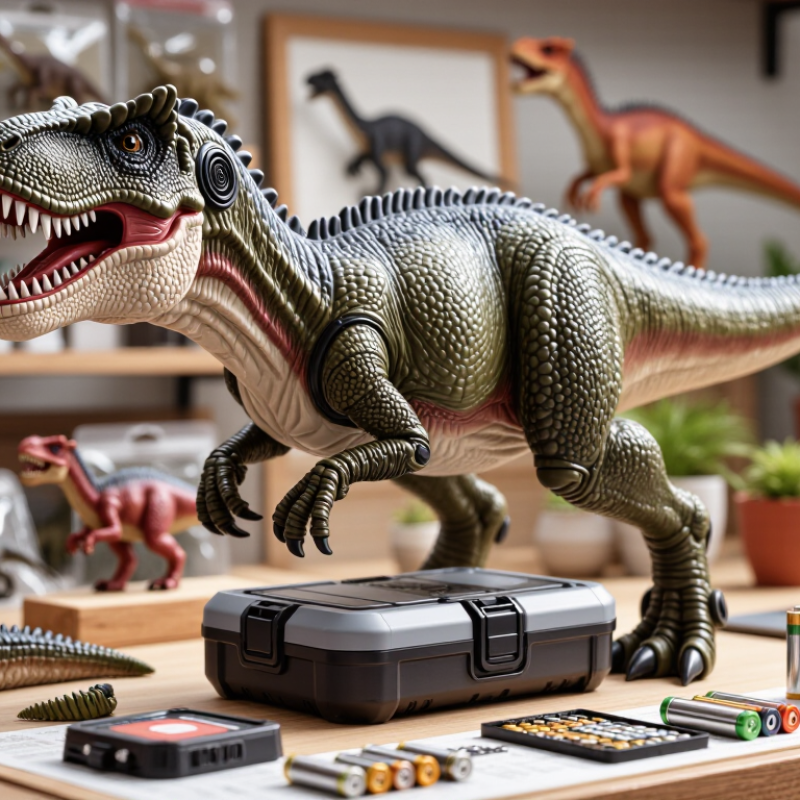
A high-quality electronic dinosaur supplier does more than shape convincing scales. It delivers a creature that moves reliably, sounds clear, and remains serviceable after installation. Ask for material specifications, wiring diagrams, motion-test records, and a parts list. Inspect close-up photos: skin seams should be tidy, cables protected, and exposed edges smooth. Small details matter.
The 2024 Smart Manufacturing Survey reported that 86% of manufacturing executives expect smart-manufacturing solutions to drive competitiveness within five years. That figure does not prove a dinosaur is well made. It does show why production records and test data matter. Request a documented factory test, including repeated head turns, jaw cycles, and sensor responses. Ask how technicians can reach motors without removing half the sculpture. Not glamorous, but practical.
A dependable supplier also explains maintenance plainly. Look for named replacement parts, realistic lead times, warranty terms, and examples of completed installations. Ask what failed during testing and how the team corrected it. Perfect claims deserve questions. A checklist can miss things; a live demonstration may reveal jerky movement or a delayed sound cue. The best supplier makes performance verifiable, not merely impressive in a showroom.
How Electronic Dinosaur Products Are Designed and Manufactured
An electronic dinosaur starts with a clear design brief: its size, movement, setting, and expected use. Designers sketch the body, then build a digital model to check proportions and moving joints. Engineers choose a frame that can support the outer shell without making the figure too heavy. Motors, cables, and control parts must fit inside the body, often in surprisingly tight spaces. A prototype helps reveal problems that drawings cannot, such as a tail that catches or a neck that moves too abruptly.
Tips: Ask how prototypes are tested, which materials form the skin, and how technicians inspect moving parts. Look for clear answers about maintenance access and production checks, not just polished photos.
After the frame and mechanics are approved, makers shape the outer body with foam, molded materials, or flexible coverings. Textures and paint add scales, wrinkles, and natural color variation. Technicians then test motion, sound, wiring, and controls under repeated cycles. They should check for loose connections, unusual heat, sharp edges, and unstable bases. Even a carefully planned model may pause awkwardly or move less smoothly than expected; those flaws should be recorded and corrected before production. Reliable manufacturing depends on written inspection steps and consistent checks, not appearance alone.
When comparing an electronic dinosaur supplier, ask for test reports tied to the exact model, not a similar product. Check electrical safety, battery protection, and electromagnetic compatibility. Reports should identify the tested unit and relevant standards for your sales market. Requirements differ by destination, so a generic “certified” claim is not enough. Ask for records.
Inspect the details that wear out first: cable strain relief, battery doors, moving joints, and exposed wiring. Request material declarations and age-grading guidance, especially if the dinosaur has small detachable parts. A sample should run repeatedly, not just look convincing on a showroom table.
Listen for grinding motors, check for hot spots, and test whether the controls respond consistently. That matters. Ask how incoming components and finished units are inspected, and whether failed batches are documented.
A checklist cannot reveal every weak joint; that is easy to forget when reviewing polished reports. If answers stay vague, request clearer evidence before placing a large order.
Choosing a high-quality electronic dinosaur supplier in 2026 means comparing how orders are handled, not just browsing polished product photos. Ask what can be customized: dinosaur shape, body color, movement, sound effects, lighting, and control options. Request a written specification for each feature. A sample should show how the jaw moves, how the feet stay balanced, and whether sound remains clear at normal volume. Details matter. Check the proposed materials, battery access, cable placement, and packaging before approving production. A striking prototype can still hide awkward repairs.
Service becomes visible when a supplier answers specific questions clearly and shares realistic timelines. Ask who reviews artwork, how design changes are recorded, and what inspection happens before shipment. Request photos or a short video of a production sample, plus a checklist covering movement, lights, sound, and surface finish. Then compare the response, not only the price. Reliability is easier to judge through evidence: consistent sample-to-order details, clear handling of defects, and progress updates at agreed stages. Small delays happen. What matters is whether they are explained early. One imperfect detail may remain, so confirm which variations are acceptable and which require correction before placing a larger order.
Compare suppliers by customization, service, and reliability
This example scorecard assigns the greatest weight to customization, followed by product safety and quality control, reliability, and service. These are suggested evaluation weights—not measured supplier rankings. Adjust them to match your product requirements, and verify certifications, sample quality, lead times, and support commitments directly with each supplier.
Choosing an electronic dinosaur supplier starts with the role the figure must play. A traveling exhibit needs durable joints and manageable transport dimensions. A fixed attraction may need lifelike movement, sound, and weather-resistant materials. Ask for a recent, continuous video showing the model moving from several angles. Check its skin texture, jaw action, and how quietly the mechanisms run. Small details matter. Ask for proof.
Request the dinosaur’s dimensions, shipping weight, power needs, and installation requirements in writing. Find out which parts are covered by the warranty and how replacement components can be ordered. Ask whether technicians provide setup guidance, and what happens if a motor or sensor fails after installation. Clear answers are more useful than polished promises. If important details remain vague, pause before paying a deposit.
Compare quotations only after confirming they describe the same features and service. A lower price may exclude crating, installation, or operator training. For custom models, ask for drawings or a prototype review before production begins. It is easy to focus too much on appearance; reliability can matter more once visitors interact with the figure every day. I would still leave room for uncertainty: even a well-documented model may need adjustments after setup. A supplier willing to discuss that possibility earns more confidence than one claiming nothing can go wrong.
| Evaluation Dimension | What to Check | Useful Evidence to Request | Warning Signs |
|---|---|---|---|
| Product fit and use case | Confirm whether the dinosaur is intended for indoor display, outdoor attraction use, education, or interactive entertainment. Check dimensions, movement range, sound, and operating environment. | Product specification sheet, operating video, installation requirements, and a written description of intended use. | Vague specifications or assurances that one model is suitable for every setting. |
| Movement and control system | Review the movements offered, control method, sequence options, emergency stop arrangements, and access for maintenance. | Demonstration video of the actual configuration, control-system overview, and maintenance instructions. | Only edited promotional footage or no clear explanation of controls and shutdown procedures. |
| Materials and finish | Ask about the outer skin, frame, joints, coatings, and how the finish is maintained in the conditions where the unit will operate. | Material descriptions, close-up photos, care instructions, and details of any environmental-use limitations. | Claims such as “weatherproof” without defined conditions, test information, or care guidance. |
| Electrical and site requirements | Verify voltage, frequency, power consumption, connectors, cable routing, and any required site preparation against the destination location. | Electrical specification, wiring diagram where applicable, installation guide, and destination-market compliance documents. | Electrical details provided only after purchase or no documentation for the intended market. |
| Safety and regulatory documentation | Determine which rules apply based on the product’s intended use, users, and destination market. Toy standards may not apply to every animatronic installation. | Applicable test reports, declarations, risk or safety information, and documents identifying the exact product model and market. Check requirements with the relevant local authority or qualified adviser. | A generic certificate with no model details, or claims that one certificate automatically covers all countries and uses. |
| Reliability and serviceability | Ask how routine inspections, repairs, and replacement of wear parts are handled, and whether technical support is available after delivery. | Maintenance schedule, spare-parts list, troubleshooting guide, support process, and examples of service terms. | No defined support contact, repair process, or availability information for replacement parts. |
| Customization and approval process | Clarify available changes to size, color, movement, sound, and controls, including how design changes affect price, lead time, and acceptance. | Written specification, drawings or mock-ups, approval milestones, and documented change-control terms. | Unrecorded verbal commitments or unclear sign-off criteria. |
| Quality checks and acceptance | Agree in advance how appearance, movement, sound, controls, and included accessories will be checked before shipment or handover. | Inspection checklist, dated test video, acceptance criteria, and written process for addressing defects. | No practical way to verify the finished unit before final acceptance. |
| Warranty and commercial terms | Compare warranty duration, covered parts, exclusions, response process, payment milestones, and remedies for nonconforming goods. | Complete written quotation, warranty document, delivery terms, and contract or purchase-order terms. | Warranty promises that are not included in the written agreement or unclear responsibility for shipping and repairs. |
| Shipping, installation, and total cost | Compare the full delivered and operational cost, including packing, freight, duties or taxes where applicable, unloading, installation, and training. | Itemized quotation, packing dimensions and weight, delivery scope, installation plan, and confirmation of who handles each task. | A low unit price with unclear shipping, installation, or other additional charges. |
Selection tip: compare suppliers using the same written specification and acceptance checklist. Verify product-specific documentation and destination-market requirements before placing an order.