Elevating Scaffolding – Masonry Scaffolding – Motorized Scaffolding

Elevating Scaffolding – Masonry Scaffolding – Motorized Scaffolding
10 Best Crank Up Scaffolding Suppliers for Global Buyers?
The global demand for safer access equipment is reshaping the crank up scaffolding market. Grand View Research and Fortune Business Insights both identify construction expansion, infrastructure investment, and rental demand as major market drivers. However, market figures differ between reports. That difference deserves attention.
OSHA reports that scaffolds support about 65% of construction workers during work activities. It also estimates thousands of scaffold-related injuries and dozens of fatalities each year. These figures make supplier selection more than a pricing exercise. A weak locking mechanism, unclear load rating, or missing inspection record can create serious site problems.
Construction safety researcher John W. Hinze is widely associated with the reminder, “Safety is a choice, not a chance.” His message applies directly to crank up scaffolding procurement. Buyers should examine platform stability, adjustment range, corrosion protection, spare-part access, and documented testing. They should also verify whether suppliers provide practical installation guidance.
This guide evaluates ten suppliers for global buyers. It considers product engineering, manufacturing experience, certifications, export capability, after-sales support, and user feedback. A polished website proves little. Real performance appears on uneven floors, crowded sites, and demanding weather conditions.
Some supplier information remains difficult to compare. Product specifications are not always presented consistently. That limitation should not be ignored. Therefore, this list combines available industry data with practical purchasing criteria. It is not a perfect ranking, but it offers a clearer starting point for responsible sourcing.
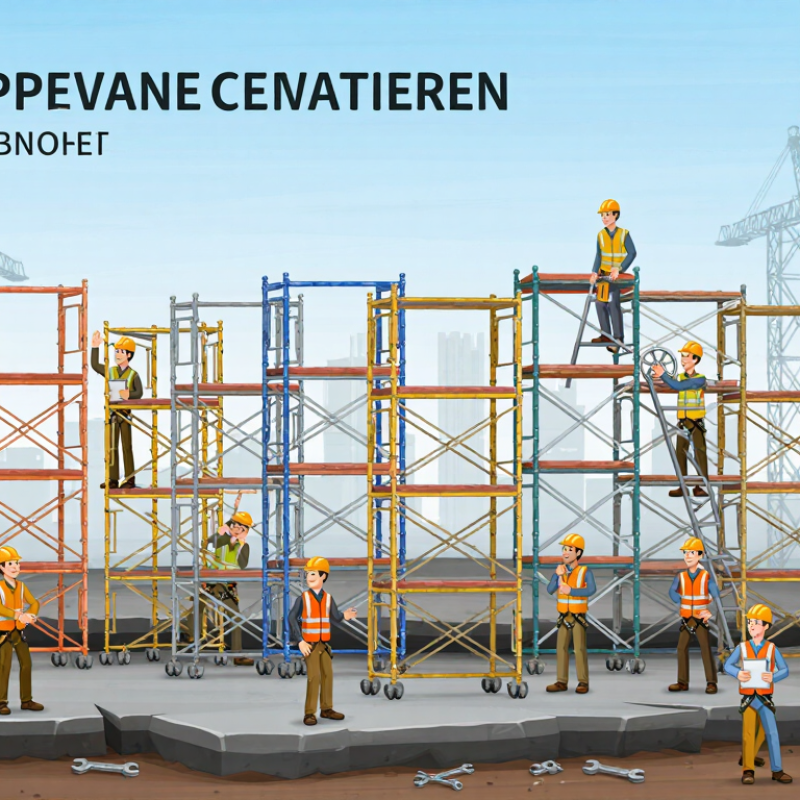
What Is Crank-Up Scaffolding and Where Is It Used?
10 Best Crank Up Scaffolding Suppliers for Global Buyers?
What Is Crank-Up Scaffolding and Where Is It Used?
Crank-up scaffolding is a height-adjustable work platform. Workers raise or lower it with hand-operated cranks, screw jacks, or synchronized lifting systems. This design supports controlled access without rebuilding the entire tower. It is commonly used for exterior painting, masonry, cladding, electrical installation, warehouse maintenance, and low-rise construction.
The practical benefit is clear. A crew can adjust platform height while keeping tools and materials nearby. On a building facade, that may reduce repeated ladder movement and setup time. However, the system still needs level ground, locked casters, inspected frames, and correctly fitted guardrails. The U.S. Occupational Safety and Health Administration requires scaffold components to support at least four times the maximum intended load. That figure should shape every purchasing decision.
Market evidence also shows why this equipment attracts global buyers. Grand View Research estimates the worldwide scaffolding market will grow at about 5.7% annually from 2024 to 2030. The International Labour Organization continues to identify construction as a high-risk sector, with falls remaining a serious workplace hazard. A crank mechanism cannot solve poor training or careless planning. That is the uncomfortable part. Buyers may focus on lifting capacity, yet ignore platform width, spare-part access, corrosion protection, and operator instructions. Supplier comparisons should examine all of them, not only the quoted price.
10 Best Crank Up Scaffolding Suppliers for Global Buyers? - What Is Crank-Up Scaffolding and Where Is It Used?
| Rank | Anonymous Supplier Profile | Primary Buyer Region | Typical Product Focus | Common Frame Material | Typical Working-Height Range | Typical Platform Load Class | Relevant Compliance Route | Adjustment Method | Best-Fit Applications | Buyer Verification Priority |
|---|---|---|---|---|---|---|---|---|---|---|
| 1 | Export-focused aluminum access-equipment supplier | North America and Europe | Lightweight crank-adjustable rolling towers | Aluminum alloy | 1.8–9.1 m | 1.5–2.0 kN/m² | EN 1004-1 or applicable local standard | Manual winch or screw jack | Facilities, maintenance, MEP work | High |
| 2 | Heavy-duty steel scaffold manufacturer | Middle East and industrial markets | High-load crank-up work platforms | Powder-coated steel | 2.0–10.0 m | 2.0–3.0 kN/m² | OSHA 1926 Subpart L or project specification | Hand winch with locking pins | Construction, plant shutdowns, warehouses | Very high |
| 3 | OEM supplier offering private-label configurations | Global distributors | Configurable platforms, guardrails and casters | Aluminum or steel | 1.5–8.0 m | 1.5–2.5 kN/m² | EN 1004-1, ANSI/SSFI SC100, or buyer specification | Manual crank with mechanical lock | Rental fleets and distributor programs | High |
| 4 | Compact-access specialist for indoor work | Retail, commercial and public buildings | Narrow-base, low-clearance towers | Aluminum alloy | 1.2–5.5 m | 1.5–2.0 kN/m² | EN 1004-1 or equivalent national standard | Screw jack or telescopic leg | Lighting, HVAC, signage and ceiling work | High |
| 5 | Industrial maintenance equipment supplier | Factories, utilities and processing plants | Robust mobile towers with anti-corrosion options | Galvanized steel | 2.0–9.0 m | 2.0–3.0 kN/m² | OSHA requirements or site-specific engineering approval | Dual synchronized winches | Pipework, valves, tanks and equipment servicing | Very high |
| 6 | Rental-fleet replenishment supplier | Equipment-hire companies | Replaceable components and fleet-standard towers | Aluminum alloy | 1.5–7.5 m | 1.5–2.0 kN/m² | Applicable local scaffold standard and rental-fleet inspection rules | Manual crank with positive lock | Frequent transport and repeated assembly | Very high |
| 7 | Infrastructure and bridge-maintenance supplier | Transport authorities and civil contractors | Wide-base platforms and outdoor-duty systems | Steel or reinforced aluminum | 2.0–8.0 m | 2.0–3.0 kN/m² | Project engineering review, wind limits and local regulations | Crank plus stabilizer outriggers | Bridge inspection, façades and structural repairs | Very high |
| 8 | Building-envelope and façade-access supplier | Commercial construction and property maintenance | Stable platforms for exterior finishing work | Aluminum alloy | 2.0–10.0 m | 1.5–2.0 kN/m² | EN 1004-1 or local mobile-scaffold rules | Manual crank with caster brakes | Cladding, glazing, painting and sealing | High |
| 9 | Custom-engineering and project-based supplier | Mining, energy and specialized facilities | Engineered-to-order systems and accessories | Steel or aluminum | Project-specific | Project-specific calculation | Stamped drawings, risk assessment and site approval | Powered or manual lifting system | Restricted-access and non-standard work areas | Critical |
| 10 | Budget-oriented regional scaffold supplier | Small contractors and local distributors | Standardized entry-level crank-up towers | Aluminum or painted steel | 1.5–6.0 m | 1.5–2.0 kN/m² | Verify against the destination country’s requirements | Manual crank and locking pins | General repair, installation and decorating | Critical |
Related Posts
-
How to Choose the Best Crank Up Scaffolding in China?
-
What Is Non Stop Crank Up Scaffolding?
-
How to Crank Up Scaffolding Safely and Efficiently
-
What Is the Best Crank Up Scaffolding in 2026?
-
How to Choose the Right Crank Scaffold for Your Construction Project?
-
Top 10 Reasons to Choose EZ Scaffold Crank Up for Your Next Project?