Best Acoustic Metal Panels for Soundproofing Solutions?
Acoustic Metal Panels have gained significant attention in soundproofing solutions. These panels combine aesthetic appeal and effective noise reduction. According to a recent industry report, the soundproofing market is expected to reach $20 billion by 2025, with acoustic solutions becoming essential for various environments.
In urban areas, noise pollution has reached alarming levels. Studies indicate that over 30% of individuals experience negative health effects due to excessive noise. Acoustic Metal Panels serve as an effective barrier, minimizing sound transmission. Their reflective properties not only control noise but also enhance sound clarity. However, choosing the right panels can be challenging, as results vary depending on installation methods and material quality.
The effectiveness of soundproofing often hinges on the specific needs of the space. While Acoustic Metal Panels are versatile, they may not suit every application. It's crucial to consider factors like room size and intended use. Users must also reflect on installation techniques to achieve optimal results. Ultimately, understanding these aspects can lead to better sound management solutions.
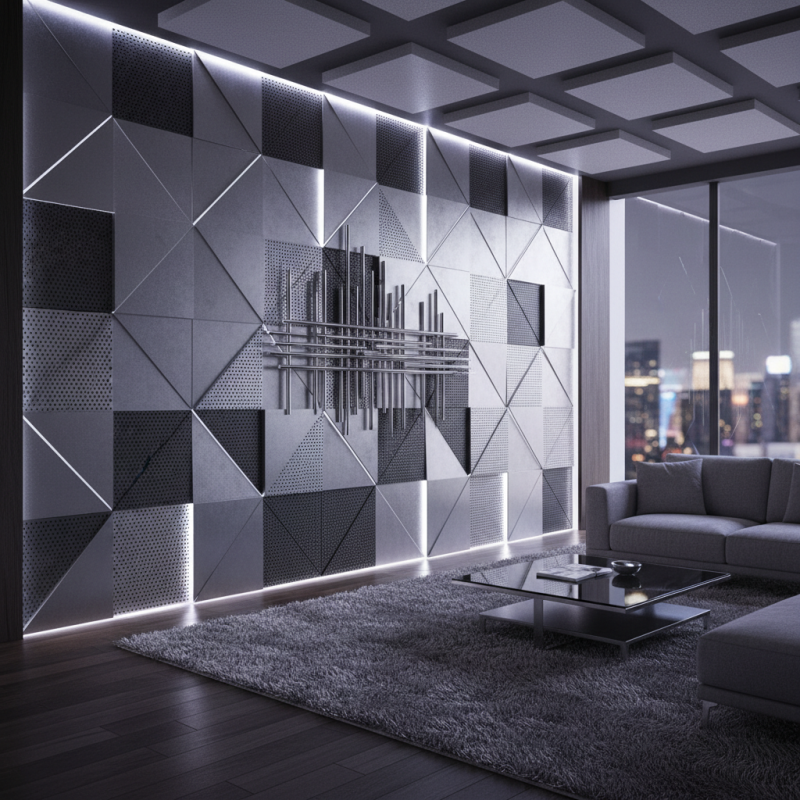
Understanding Acoustic Panels and Their Role in Soundproofing
Acoustic panels are essential for effective soundproofing. They absorb sound waves and minimize echo. Research shows that well-placed panels can reduce noise levels by up to 30%. This makes a significant difference in any space, be it a home office or a professional studio.
Understanding the science behind these panels is vital. They typically contain materials like fiberglass or foam, designed to trap sound energy. This prevents it from reflecting off hard surfaces like walls. A study by the Acoustical Society of America highlights that proper installation maximizes their effectiveness. In practice, many people overlook panel placement, which can lead to disappointing results.
Moreover, it’s important to acknowledge that not all noise issues can be solved with acoustic panels alone. In some cases, sound leaks through gaps or doors. Combining acoustic panels with door seals or heavy curtains may yield better outcomes. While acoustic panels play a crucial role, understanding their limitations remains essential for any soundproofing project.
Key Features to Look for in Acoustic Metal Panels
When searching for the best acoustic metal panels, consider key features that enhance their effectiveness in soundproofing. High-density materials are crucial. They help absorb and deflect sound waves efficiently. Look for panels with a minimum thickness of one inch. Thicker panels typically perform better. Also, consider the texture and finish of the panels. A porous surface can improve sound absorption.
Tips: Choose panels that are easy to install. A simple setup can save time and effort. If possible, test out samples before committing to a purchase. This helps in understanding the acoustic quality of the product.
Additionally, check for fire ratings and eco-friendliness. Panels made from recycled materials provide sustainable benefits. Acoustic metal panels should also be resistant to moisture. This characteristic prolongs their lifespan and maintains performance.
Remember, aesthetics matter too. Find panels that complement your space. The right design enhances both function and style. Balancing soundproofing with visual appeal creates an inviting atmosphere. Consider how the panels fit into your room's overall design for better integration.
Top Acoustic Metal Panels for Effective Soundproofing Solutions
Acoustic metal panels have gained popularity among those seeking effective soundproofing solutions. Their sleek design and sound-absorbing capabilities make them ideal for various environments, from residential spaces to commercial studios. The right materials can significantly reduce noise levels, creating a more peaceful atmosphere.
When choosing panels, consider thickness and density. Thicker panels tend to absorb more sound. Don't overlook the installation; proper placement can make a difference. Behind furniture or in corners can enhance their efficacy.
Tips:
Measure your space accurately before making a purchase. Test the panels in different placements to find the optimum arrangement. Sometimes, a simple adjustment can improve sound quality dramatically. Remember, achieving perfect soundproofing can require trial and error. Your initial choices may need reevaluation for better results.
Comparing Different Materials Used in Acoustic Panel Manufacturing
When considering acoustic panels for soundproofing, the choice of materials is crucial. Various options will lead to different sound absorption capabilities. For instance, mineral wool is known for its excellent sound absorption properties. Studies indicate that mineral wool panels can reduce noise levels by more than 70%. This makes it a top contender in acoustic treatment applications.
Another common material is
fiberglass. It offers high density and solid performance in noise reduction. Research shows that fiberglass panels can absorb frequencies ranging from
200 Hz to 2000 Hz effectively. This broad range makes it suitable for diverse environments. However, the production of fiberglass can be
less sustainable compared to other materials.
Foam panels are another option. They are lightweight and easy to install. Data show that foam can reduce sound levels by about
30% in untreated spaces. Despite their advantages, foam panels often lack the longevity of mineral wool or fiberglass. This may lead to the need for more
frequent replacements.
Choosing the right material requires balancing performance and
sustainability. Understanding the unique properties of each option will ensure effective soundproofing solutions. Every choice has its pros and cons, and careful consideration is necessary.
Installation Tips for Maximizing the Effectiveness of Acoustic Panels
When installing acoustic panels, placement is key. Walls, ceilings, and corners are prime spots. Focus on areas where sound reflections are most pronounced. Use a measuring tape to find optimal positions. If unsure, consider standing in the center of the room and clapping your hands. Listen for echoes. This simple test helps determine where panels will be most effective.
Adhesive strips or brackets can simplify installation. Ensure panels are secured tightly to prevent sound leakage. Pay attention to the spacing between panels. Too close together may reduce overall effectiveness. Experimentation is often necessary. Adjusting placement slightly can yield better results. Don’t hesitate to revisit your choices if sound issues persist.
Regular maintenance can enhance the longevity of your panels. Dust accumulation can diminish their effectiveness. Use a soft cloth to clean the surface as needed. Some soundproofing solutions require professional assistance. If your room remains echoey after installation, consulting an expert may save you time and effort. Each space is unique; every installation teaches something new. Embrace the learning process.