How to Crank Up Scaffolding for Your Construction Projects Efficiently
In the fast-paced world of construction, the ability to efficiently crank up scaffolding can significantly enhance project timelines and safety standards. Scaffolding is essential for providing access to elevated work sites, ensuring that construction crews can operate effectively while minimizing risks associated with working at heights. However, the process of setting up and dismantling scaffolding can often become a bottleneck if not managed properly.
This article will explore strategic approaches to optimize scaffolding practices, allowing construction teams to maximize productivity and adhere to safety protocols. By focusing on best practices and unique techniques, we will uncover ways to streamline the scaffolding process, ensuring that projects are completed on schedule and within budget. Emphasizing the importance of planning and coordination, we will provide insights that can benefit any construction project, regardless of size or complexity. As we delve into the specifics, readers will gain a clearer understanding of how to effectively crank up scaffolding, setting the stage for successful construction operations.
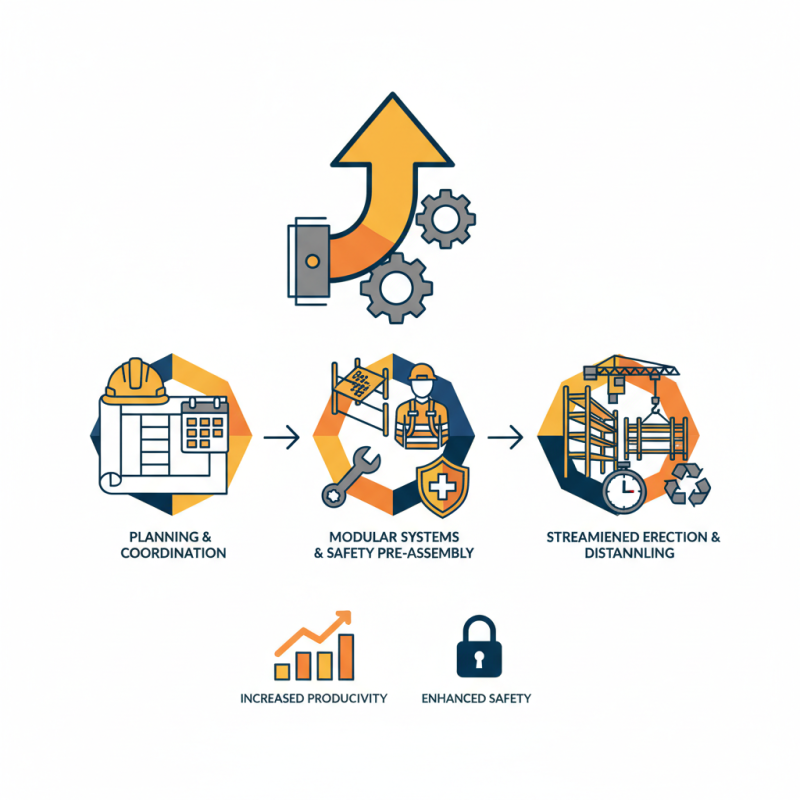
Understanding the Importance of Efficient Scaffolding in Construction
Efficient scaffolding plays a critical role in the construction industry, significantly impacting worker safety and project timelines. According to a report from the Occupational Safety and Health Administration (OSHA), proper scaffolding setups have been associated with a 50% reduction in workplace accidents. This underscores the necessity of investing time and resources into effective scaffolding practices. When scaffolding is erected correctly, it enhances mobility and accessibility for workers, allowing for improved workflow and reduced task completion times.
Furthermore, the use of innovative scaffolding technologies can lead to substantial cost savings. Research from the Construction Industry Institute highlights that utilizing modular scaffolding systems can decrease assembly time by up to 30%. This not only enhances the efficiency of the construction process but also minimizes labor costs and project delays. By prioritizing efficient scaffolding strategies, construction firms can ensure they not only meet safety standards but also maintain productivity and achieve financial goals. Ultimately, understanding the importance of efficient scaffolding results in safer work environments and more successful construction projects.
Key Factors to Consider When Planning Scaffolding for Your Project
When planning scaffolding for construction projects, there are several key factors to consider to ensure that the process is efficient and safe. First and foremost, understanding the specific requirements of the project is crucial. This includes evaluating the height and nature of the structure, the type of materials being used, and the workload expected during the project. By having a clear picture of these elements, you can determine the appropriate type and amount of scaffolding required.
Tips: Always conduct a thorough site assessment before setting up scaffolding. This should include checking ground stability, access points, and overhead hazards. Addressing these factors early on can prevent potential mishaps and delays in the project timeline.
Another important consideration is compliance with safety regulations and standards. Ensuring that all scaffolding equipment is certified and designed according to regulatory requirements not only protects workers but also adds to the efficiency of the construction process. Regular inspections and maintenance of scaffolding structures further enhance safety and reliability.
Tips: Implement a training program for your crew regarding proper scaffolding setup and safety protocols. Educating workers on these practices minimizes the risk of accidents and fosters a culture of safety on the job site.
Step-by-Step Guide to Erecting Scaffolding Safely and Effectively
Erecting scaffolding is a crucial task in construction projects that requires careful planning and execution to ensure the safety of workers and the integrity of the structure. The first step in this process is to conduct a thorough site assessment. Evaluate the ground conditions, overhead hazards, and the specific requirements of the project.
Selecting the appropriate type of scaffolding based on the weight it needs to support and the height required is vital. Proper tools and materials should be gathered to facilitate a smooth setup.
Once you have assessed the site and selected the materials, the next phase is assembly. Begin by establishing a stable base for the scaffolding. Ensure that all components are correctly fitted and secured, paying extra attention to brace supports to prevent tipping or swaying. It is essential to follow all safety protocols, such as using personal protective equipment and considering the safety of all crew members involved in the erection process.
Regularly inspect the scaffolding as it is built to confirm that everything complies with safety standards before allowing workers to use it. This systematic approach provides a solid foundation for safe and effective scaffolding, essential for any successful construction project.
Best Practices for Maintaining and Inspecting Scaffolding Systems
Maintaining and inspecting scaffolding systems is crucial for ensuring safety and efficiency on construction sites. Regular inspections should be conducted before and after each use, focusing on the structural integrity of the scaffolding. Any signs of wear, damage, or corrosion must be addressed immediately to prevent accidents. Additionally, it’s essential to check all connections and supporting elements to ensure they are secure. Trained personnel should carry out these inspections, equipped with the knowledge to identify potential hazards.
Tips: Always keep a detailed inspection log that notes the findings and actions taken. This log not only ensures accountability but also helps track maintenance over time. Additionally, consider implementing a checklist that covers all aspects of the scaffolding system, including base stability, height, and load capacity.
Furthermore, training workers on proper scaffolding procedures can enhance safety. Workers should be educated on how to set up, use, and dismantle scaffolding correctly. This training should also include recognizing when to call for maintenance or if they feel unsafe while working at height. By fostering a culture of safety and diligence, construction projects can run more smoothly and efficiently.
How to Crank Up Scaffolding for Your Construction Projects Efficiently - Best Practices for Maintaining and Inspecting Scaffolding Systems
| Best Practices |
Description |
Frequency |
Responsible Party |
| Initial Inspection |
Conduct a thorough inspection of scaffolding before use to ensure safety and compliance. |
Before each use |
Site Supervisor |
| Regular Maintenance |
Perform regular maintenance checks on scaffolding components for wear and damage. |
Weekly |
Maintenance Team |
| Load Capacity Checks |
Verify that scaffolding is not overloaded beyond its capacity. |
Daily |
Site Foreman |
| Safety Training |
Ensure all workers have completed scaffolding safety training. |
At onboarding |
HR Department |
| Post-Use Inspection |
Inspect the scaffolding after use to identify any damage or required repairs. |
After each use |
Site Supervisor |
Tips for Training Workers on Scaffolding Use and Safety Protocols
To ensure the safety and efficiency of scaffolding use on construction sites, it is essential to provide thorough training for all workers involved. Training should begin with a comprehensive overview of scaffolding types and their specific applications. Workers must be educated on the correct setup procedures, including the importance of level ground, proper assembly techniques, and the use of safety features.
Interactive demonstrations can enhance understanding, allowing workers to visualize and practice the correct methods in real-time.
In addition to the technical aspects, safety protocols are paramount. Training sessions should cover the significance of wearing appropriate personal protective equipment (PPE), recognizing potential hazards, and adhering to weight limits. Regular safety drills can help reinforce these practices and prepare workers for any unexpected situations.
Emphasizing the importance of communication among team members when working on scaffolding can further foster a safe work environment. By prioritizing both knowledge and safety, construction teams can improve their scaffolding practices and minimize risks on the job site.