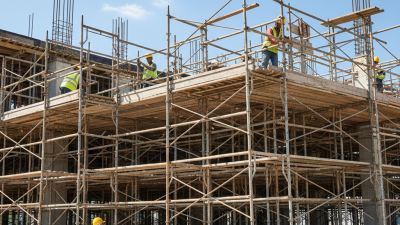
What is Crank Scaffold and How is it Used in Construction?
Crank scaffold is an essential construction tool, gaining traction in recent years due to its versatility and safety features. According to a report by the Scaffold and Access Industry Association (SAIA), the demand for crank scaffolds has increased by 25% over the last five years. This rise is attributed to the growing emphasis on worker safety and efficiency on construction sites.
Industry expert John Anderson states, “The crank scaffold provides unmatched adaptability. It allows workers to reach various heights safely.” His insights reflect the shift towards innovative scaffolding solutions. Crank scaffold systems are changing construction dynamics, making them more efficient. However, despite the benefits, challenges in training and usage persist.
Not every team is well-versed in the proper setup and teardown of these systems. This can lead to safety lapses, potentially causing accidents. As the sector evolves, identifying these shortcomings is crucial. Investing in training could enhance safety and operational efficiency. Crank scaffold has the potential to reshape construction, but only if managed wisely.
What is Crank Scaffold?
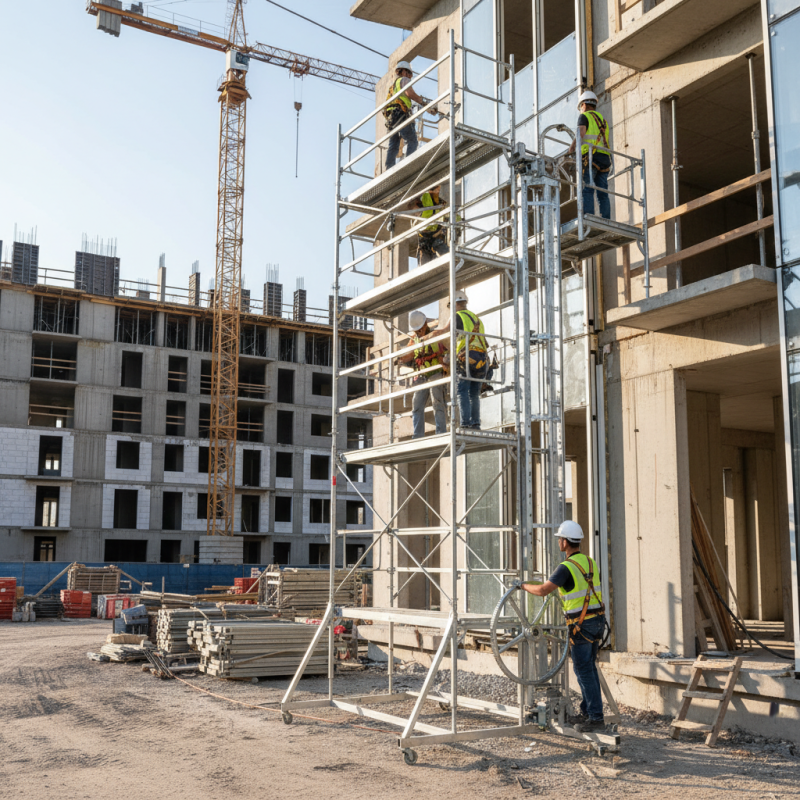
Crank scaffold is a versatile construction tool. It provides a stable platform for workers at various heights. The design features adjustable brackets that can be cranked. This allows for quick height modifications without extensive reassembly. Workers can set the scaffold to suit their needs effectively.
One notable aspect of crank scaffold is its adaptability. It can easily fit in tight spaces. This is particularly useful in urban environments. However, it demands careful setup and regular inspections. Safety should be prioritized. A poorly set scaffold can lead to accidents. Workers must be trained properly to operate it.
In practice, the crank mechanism can be a bit tricky. Adjustments require some trial and error. Ensuring it is level may take time. Additionally, frequent use can lead to wear. Regular maintenance is essential to prevent issues. It's crucial to keep the scaffold in optimal condition. Otherwise, it might not perform as expected.
What is Crank Scaffold and How is it Used in Construction?
| Dimension |
Description |
Use Case |
Safety Considerations |
| Height |
Adjustable up to 40 feet |
High-rise building construction |
Ensure stability with proper braces |
| Width |
Standard width of 5 feet |
Facade work and maintenance |
Inspect regularly for wear |
| Load Capacity |
Up to 1000 lbs per platform |
Heavy-duty operations |
Distribute weight evenly on platforms |
| Material |
Steel or aluminum |
Temporary structures for various projects |
Confirm material certification |
| Setup Time |
Approximately 2-4 hours |
Quick assembly for urgent jobs |
Train personnel on assembly |
Key Components of Crank Scaffold
Crank scaffold is a versatile and vital tool in construction projects. It comprises various key components that ensure both safety and efficiency. The main parts include horizontal beams, vertical posts, and adjustable crank arms. Each of these elements works together to create a stable working platform.
Horizontal beams often span large distances. They support the entire structure. Vertical posts provide height and stability. Adjustable crank arms allow for flexibility. They let workers easily change the height of the scaffolding. This adaptability can be crucial. Misjudging the height can lead to safety risks.
Other components, like guardrails and safety boards, are equally important. They enhance the safety of workers. However, installation can be tricky. Even minor errors in assembly can lead to accidents. Regular inspections and maintenance are necessary. A small oversight today could mean big problems tomorrow. Always prioritize safety and double-check the setup.
Benefits of Using Crank Scaffold in Construction
Crank scaffold is a versatile tool in construction. It provides a stable working platform at various heights. Workers can adjust the crank to suit their needs. This flexibility helps in reaching different parts of a structure easily. The design is often light but robust, offering safety without compromising mobility.
One of the key benefits of crank scaffolds is efficiency. Workers can set it up quickly, saving valuable time. Additionally, it allows for seamless movement around a site. This adaptability can reduce the number of tools required. However, constructing it improperly can lead to hazards. It's crucial to follow guidelines for safety. Regular checks on the equipment are vital, too. A small oversight can result in big problems.
Another benefit is its ability to support heavy materials. This makes it ideal for projects that require lifting loads. The scaffold’s stability offers peace of mind. However, it may not fit every job. Some areas may limit its use. Adapting to local conditions can be challenging. Crews must stay alert to their environment.
Benefits of Using Crank Scaffold in Construction
Safety Considerations When Using Crank Scaffold
When using crank scaffold, safety should be the top priority. The adjustable nature of crank scaffolds allows workers to reach various heights. However, this flexibility can lead to instability if not used correctly. Regular inspections for wear and tear are essential. Small damages can lead to big accidents. Workers should always check the locking mechanisms before climbing up.
Proper training is crucial for anyone operating or working on crank scaffolds. Misunderstandings can lead to risky situations. Ensure workers know how to adjust the scaffold safely. Overloading is another common mistake. Each scaffold has a specific weight limit. Exceeding this can cause it to collapse. Clear communication among team members can help prevent such incidents.
Don't overlook the ground conditions beneath the scaffold. An unstable or uneven surface can result in tipping. Consider adding additional support or using base plates. Maintaining a clutter-free work area is necessary. Tools and materials should be organized to minimize hazards. This might seem simple, but it greatly improves safety. Always be conscious of surroundings and potential hazards. Safety should never be an afterthought.
Common Applications of Crank Scaffold in Construction Projects
Crank scaffold is essential for various construction applications. It provides workers with flexible access to different levels of a building. It is widely used for renovation and repair tasks, especially in high-rise buildings. Its unique design allows for elevation adjustments. Workers can navigate complex sites easily. According to recent industry reports, crank scaffold systems increase labor efficiency by up to 30%. This number reflects improved accessibility on job sites.
Common applications include facade work, painting, and installation of exterior cladding. Projects that involve detailed work at heights benefit from crank scaffold's stability. Workers can manage heavy loads while maintaining balance. Construction managers often report increased safety due to reduced fall risks. However, improper installation can lead to accidents. Training and regular inspections are crucial. Data shows that up to 40% of construction incidents are linked to scaffold misuse.
Using crank scaffold requires careful planning. The scaffold must align with the project's specific needs. Misjudgments in dimensions can result in delays. Workers must adapt the scaffold to the building's shape and height. Some projects may overestimate the scaffold's capacity. Real-world applications highlight the importance of understanding load limits.