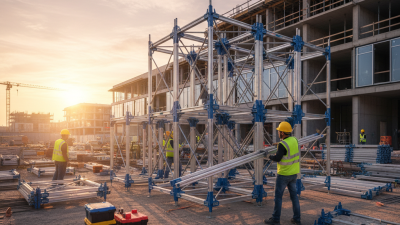
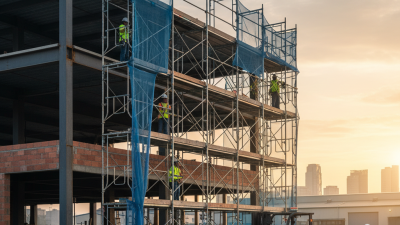
Why Choose Nonstop Scaffold for Your Construction Needs?

In the construction industry, safety and efficiency are paramount. Choosing the right scaffold system can significantly impact project success. Nonstop Scaffold offers a robust solution tailored for diverse construction needs. Its unique design ensures stability and ease of use, crucial in high-demand environments.

Many contractors find themselves overwhelmed by options. However, non-stop scaffold stands out for its reliability and adaptability. Each component is engineered for strength, making it a trusted choice among professionals. Users appreciate how quickly it can be assembled and disassembled, saving valuable time on-site.

However, every solution has its challenges. While nonstop scaffold is designed for various projects, users must ensure proper training for their teams. Understanding its specifications is vital for maximizing its potential. Investing time in learning this system pays off in enhanced productivity and safety.
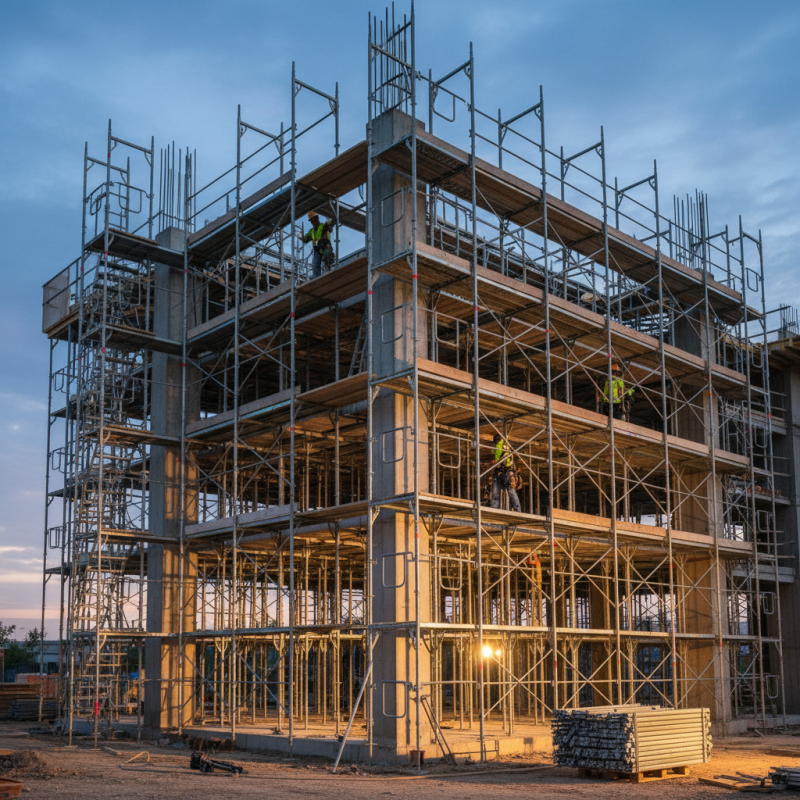
Why Choose Nonstop Scaffold for Your Construction Needs?

Benefits of Nonstop Scaffold in Construction Projects

When it comes to construction projects, choosing the right scaffold system is crucial. Nonstop scaffold offers significant advantages that can enhance project efficiency. Its modular design allows for quick assembly and disassembly, saving valuable time on site. This flexibility provides workers with the ability to adapt to changing project requirements easily. Additionally, the lightweight materials reduce handling strain, which is important for worker safety.

Cost-effectiveness is another benefit of using nonstop scaffold systems. Their durability means less frequent replacements and maintenance. Fewer repairs directly translate to lower ongoing costs, making it an attractive option for project managers. Proper utilization of space is also a significant aspect. Nonstop scaffolds can be configured to maximize working area, which helps in maintaining a clutter-free site.

However, potential challenges exist. Training crews on new systems may take time. Workers must become familiar with the unique setup and safety guidelines. Investing in proper training is essential, as is ongoing evaluation of scaffold effectiveness. Realizing these aspects ensures that the choice of scaffolding leads to improved workflow and safety on the site.

Why Choose Nonstop Scaffold for Your Construction Needs? - Benefits of Nonstop Scaffold in Construction Projects

Benefit Description Application Safety Features
Durability Built to withstand heavy loads and harsh weather conditions. High-rise buildings, bridges Rust-resistant materials, stability features
Flexibility Easily adjustable for different heights and configurations. Residential and commercial construction Locking mechanisms, adjustable base plates
Cost-Effective Reduces labor costs and speed up project timelines. Renovations, repairs Enhanced supports to minimize risk
Ease of Assembly Quick setup and takedown provide operational efficiency. All construction stages Clear assembly instructions, safety checks
Enhanced Safety Meets industry standards for safety and worker protection. Construction sites with high worker traffic Guardrails, anti-slip surfaces

Innovative Features That Set Nonstop Scaffold Apart

Why Choose Nonstop Scaffold for Your Construction Needs?

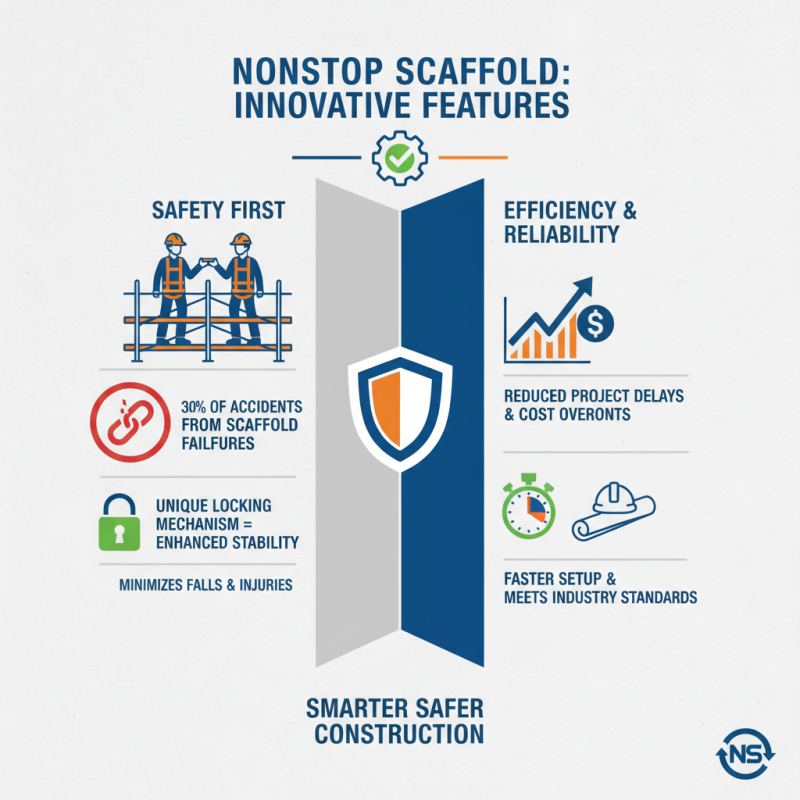
Nonstop Scaffold distinguishes itself in the construction industry through its innovative design and user-oriented features. With a focus on safety and efficiency, their products meet crucial industry standards, as indicated by a recent report highlighting that 30% of construction accidents arise from scaffolding failures. Nonstop Scaffold’s unique locking mechanism enhances stability, addressing a common concern among construction professionals. This design minimizes the risk of falls and injuries, which are significant factors in project delays and cost overruns.

One standout innovation is its lightweight material. Traditional scaffolding can weigh a ton, complicating transport and assembly. Nonstop Scaffold's approach reduces weight by up to 25%, making it easier for workers to set up and dismantle. Additionally, their modular design enables quick adjustments, accommodating various construction needs. A survey showed that companies using modular scaffolding saw a 20% increase in productivity. Yet, there are still challenges. Understanding how to optimize these systems on diverse job sites requires continued training and adaptation.

Feedback from users emphasizes the need for ongoing improvements. While many laud the ease of setup, some express concerns about long-term durability. It’s crucial to weigh these aspects against immediate benefits. Bridging innovative design and practical reliability remains vital for future advancements in scaffolding solutions.

Safety Standards and Compliance of Nonstop Scaffold

Construction safety is a significant concern. Nonstop scaffold systems prioritize meeting safety standards. These standards are critical for minimizing worksite accidents. Compliance with industry regulations ensures that scaffolding is reliable and safe for workers.

Their design often includes features like secure locking mechanisms and weight distribution systems. Such details enhance stability and reduce the risk of collapses. However, some workers may not fully understand the importance of regular inspections. This neglect can lead to potential hazards.

Education on scaffold use is vital. Workers need training to recognize signs of wear or damage. Adhering to safety protocols and conducting routine checks should always be emphasized. Construction sites benefit when safety is a shared responsibility. Balancing efficiency and safety can be challenging but is essential for overall project success.

Cost-effectiveness of Choosing Nonstop Scaffold Solutions

When it comes to construction, cost-effectiveness plays a key role. Many project managers struggle to find reliable scaffolding that won’t break the bank. Nonstop scaffold solutions offer affordable options that can save time and money. Their modular design allows for quick assembly and disassembly, reducing labor costs significantly. This efficiency is crucial for tight project deadlines.

Additionally, the durability of these scaffolding systems means fewer replacements over time. Investing in robust materials can lead to long-term savings. While some may choose cheaper alternatives, these options often result in higher maintenance costs and safety concerns. Every construction site is unique, and the wrong choice can lead to setbacks.

It's also vital to consider the hidden costs associated with scaffolding. A flimsy scaffold may require more frequent inspections. Safety citations can arise from poor quality materials. Ultimately, choosing cost-effective scaffolding means balancing upfront expenses with potential long-term savings. Reflecting on these factors can lead to more informed decisions that enhance project success.

Customer Testimonials and Success Stories with Nonstop Scaffold

Why Choose Nonstop Scaffold for Your Construction Needs?

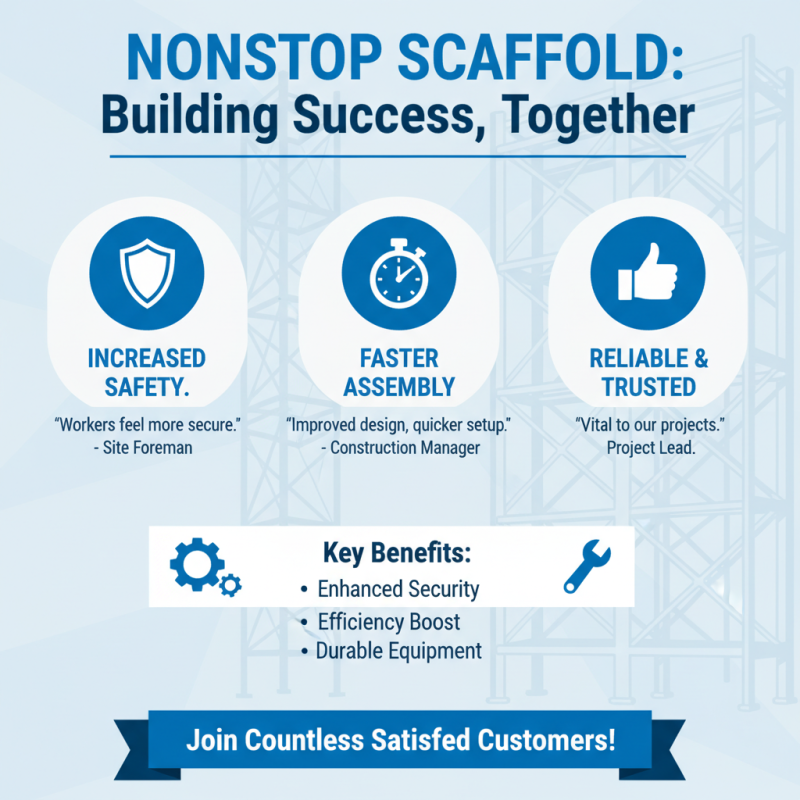
When it comes to construction projects, scaffolding plays a vital role. Many customers have shared their experiences with a particular scaffold provider. They appreciate the safety and reliability offered. One construction manager noted how the improved design led to faster assembly. Workers felt more secure on the job.

A homeowner recounted a renovation project. They praised the flexibility of the scaffolding system. This allowed workers to reach tricky spots with ease. However, there were moments of confusion during setup. The team learned to communicate better. They realized that understanding the equipment is crucial for efficiency.

Another success story involves a large commercial build. The project ran smoothly, thanks to the sturdy scaffolding. Yet, some issues arose with weather conditions. Rain caused delays and safety concerns. The crew adapted by implementing extra safety measures. Customer feedback played a key role in improving those protocols. These stories highlight the importance of continuous learning and adaptation in construction.