Buying an ez scaffold crank up is not simply a price comparison. It is a worksite decision involving height, load, movement, and operator control. A unit may look sturdy in a showroom, yet feel unstable on uneven concrete or compacted soil. The right choice starts with the actual job, not an attractive product photograph.
Scaffold safety trainer Michael R. Smith explains, “A safe lift begins with honest measurements, not optimistic estimates.” His advice reflects a practical concern. Buyers should check the working height, platform size, rated capacity, mast construction, wheel locks, guardrails, and emergency lowering system. Confirm that the manufacturer provides clear operating instructions and inspection procedures. A crank that feels rough may signal poor maintenance or hidden wear.
The seven buying tips in this guide focus on those details. They cover site conditions, load calculations, portability, power options, safety features, service support, and total ownership cost. Look closely at the small parts. A loose pin, damaged cable, or weak brake can change the entire risk picture. Ask how replacement parts are supplied and who will inspect the equipment after delivery.
Do not trust assumptions.
A lower purchase price can become expensive after repairs, training, transport, and downtime. Buyers should also compare the equipment with applicable workplace safety requirements in their region. Some decisions remain uncertain until the machine is tested on the intended surface. That is not a weakness in the buying process. It is a reason to inspect carefully, ask better questions, and choose an ez scaffold crank up that matches real working conditions.
7 Tips for Buying an EZ Scaffold Crank Up
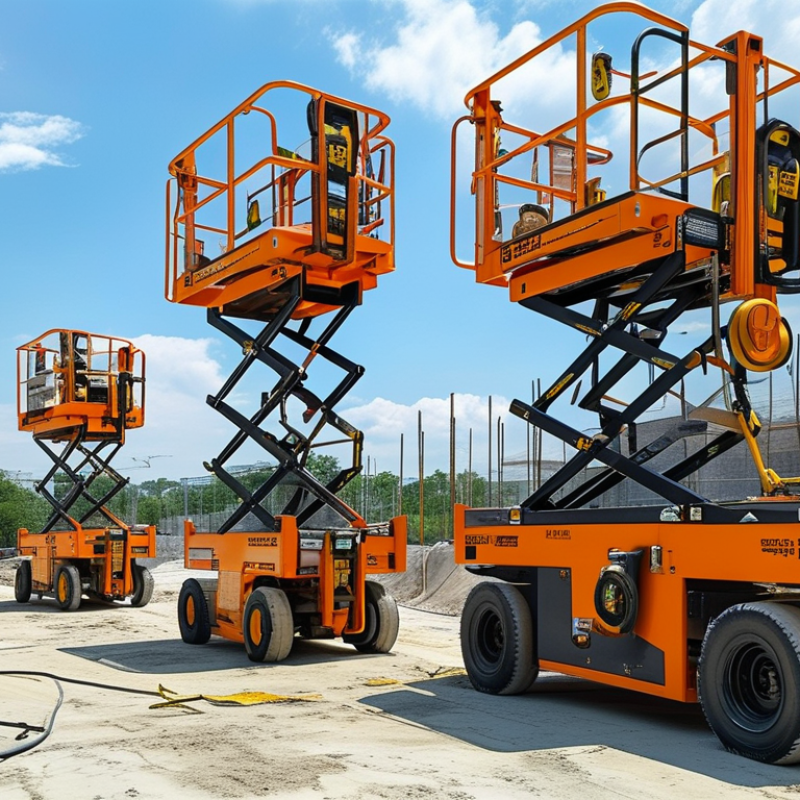
Understanding the design helps you choose the right crank-up scaffold. Its main parts include a steel frame, adjustable mast, hand crank, platform, guardrails, and stabilizing outriggers. The crank changes platform height through a controlled lifting mechanism. It is designed for temporary access, installation, maintenance, and material handling at moderate elevations.
Check the rated load before comparing prices. Include workers, tools, and materials in that calculation. Inspect welds, pins, cables, wheels, and locking points. Small defects matter. Confirm that the platform has secure guardrails and a non-slip surface. A wide base usually improves stability, but the work surface must remain level and firm. Casters should lock reliably, not merely appear strong.
Ask for the operating manual, inspection guidance, and a clear parts list. Verify that replacement components are available. Test the crank movement without a load, then follow the maker’s instructions for loaded operation. Consider the platform height, folded size, transport weight, and storage space. Do not assume every model suits outdoor work or uneven ground. That assumption can become expensive. A practical buying decision also includes worker training and regular pre-use checks. The safest design is still dependent on careful setup.
7 Tips for Buying an EZ Scaffold Crank Up
Identifying the correct height starts with the actual work position, not the maximum platform height. Measure the floor, platform, and required reach separately. A short platform may force workers to lean, while excessive height can reduce stability. Check ceiling beams, power lines, doorways, and uneven surfaces before choosing a model. Working height is often misunderstood.
Capacity must include workers, tools, materials, and movement. Add a practical safety margin instead of buying for the exact load. A platform holding two workers and a box of fittings needs more capacity than its label might suggest. Confirm the rated load, lifting mechanism, base width, wheel locks, and stabilizer requirements in the technical documents. Ask a qualified supplier when the figures seem unclear.
Platform size also affects safe movement. Measure the largest item that must be carried, then allow room for turning and controlled access. Guardrails, toe boards, secure entry, and a slip-resistant deck are essential details. Inspect welds, pins, cables, and crank operation before each use. A capacity estimate can still be wrong if wet materials or extra tools appear later. That small oversight deserves honest review. Recheck the setup after repositioning, especially on sloped ground or near changing weather.
Buying an EZ Scaffold Crank Up requires more than checking its lifting height. Start with the materials. Look for sound steel or aluminum, clean welds, corrosion-resistant surfaces, and clearly marked load limits. A bent frame is not a bargain. OSHA estimates that scaffolds support about 2.3 million U.S. construction workers, with roughly 4,500 injuries and 50 deaths each year. These figures make material quality a safety decision, not a cosmetic preference.
Check the safety features closely. One, confirm that the crank operates smoothly without sudden drops. Two, test the locking mechanism. Three, inspect the emergency brake or backup holding system. Four, verify guardrails and toe boards fit securely. Five, look for adjustable stabilizers and non-slip feet. Six, confirm the platform has a visible capacity label. Seven, require an inspection procedure before every use. OSHA 29 CFR 1926 Subpart L and ANSI/ASSP A10.8 provide useful benchmarks for scaffold design, access, and protection. Standards do not replace judgment.
Stability deserves hands-on attention. Place the scaffold on firm, level ground, then check every caster, brace, pin, and base connection. Keep the crank centered during lifting. Avoid improvised blocks. Wind changes the risk quickly, especially on open sites. A product may feel stable in a warehouse but behave differently outdoors. I would also test the lowest working height before trusting full extension. That extra check can feel excessive. It is still cheaper than discovering movement above ground. Review the manual, record inspections, and remove damaged equipment from service.
Use the intended working load as a first screening point when comparing scaffold crank-up systems. The load classes shown are the uniformly distributed service loads defined in EN 12811-1: Class 1 supports 0.75 kN/m², Class 2 supports 1.50 kN/m², Class 3 supports 2.00 kN/m², Class 4 supports 3.00 kN/m², Class 5 supports 4.50 kN/m², and Class 6 supports 6.00 kN/m². Confirm the equipment’s rated capacity, material quality, locking mechanisms, guardrails, bracing, base stability, and inspection documentation before purchase.
Buying an EZ scaffold crank-up requires more than checking its maximum height. Portability, setup effort, and storage space can change daily productivity. OSHA estimates that about 2.3 million construction workers use scaffolds annually, with thousands of injuries linked to scaffold work. A lighter frame may reduce carrying strain, but smaller components can feel less stable. Test the unit on level ground before purchase.
Tip 1: Measure the route.
Check door widths, elevator dimensions, stair turns, and vehicle space. A scaffold that fits the platform may not fit the jobsite entrance. Large casters help movement, but they also need clean, unobstructed paths.
Setup time deserves honest attention. Look for tool-free adjustments, clear locking points, and readable load information. One worker may raise the crank smoothly, while another may need assistance. That difference matters on uneven schedules. Industry safety guidance consistently emphasizes inspection, stable footing, guardrails, and proper assembly. Convenience should never replace those controls.
Tip 2: Request a trial setup.
Time the assembly, adjustment, and breakdown with the actual crew. Five minutes on paper can become twenty minutes beside a truck.
Storage is often overlooked. Measure the folded frame, platform sections, and removable braces. Keep these parts dry and separated, if possible. OSHA guidance recommends regular inspection before use, so cramped storage can create hidden damage. I would also leave extra clearance around the stored unit. That choice uses more space, but it prevents rushed handling. Mistakes happen when storage is treated as an afterthought.
Tip 1: Compare total cost, not the advertised price. An EZ scaffold crank up may need delivery, assembly, replacement cables, and inspection tools. Ask for a written quote with every charge listed. A low price can hide weak components or limited service. Measure the working height you actually need. Oversized equipment may waste money and storage space.
Tip 2: Read warranty terms before paying. Check coverage for the frame, winch, brakes, wheels, and lifting mechanism separately. Confirm the claim process, response time, and whether labor or shipping is included. A long warranty sounds reassuring, but exclusions matter more. I once trusted a broad promise and missed a wear-part exclusion. That mistake changed how I review contracts.
Tip 3: Test the supplier’s support before ordering. Send a specific question about lubrication intervals, load limits, and cable replacement. Clear, technical answers show practical knowledge. Request a maintenance schedule, parts availability, and service records for the unit. Ask how quickly urgent problems are handled. Keep inspection notes, photographs, and repair dates. Small records prevent larger disputes. Still, supplier advice cannot replace trained operators and site-specific safety checks.
| Tip | Evaluation Dimension | Typical Data or Practical Benchmark | What to Verify Before Buying | Buyer Takeaway |
|---|---|---|---|---|
| 1 | Purchase Price | Comparable manual crank-up scaffold units commonly fall within an approximate new-equipment range of US$2,000–US$6,000, depending on height, platform size, capacity, and included accessories. | Request an itemized quotation covering the scaffold frame, platform, outriggers, casters, guardrails, delivery, assembly requirements, and applicable taxes. | The lowest initial price may exclude essential safety components, freight, or setup costs. |
| 2 | Working Height and Platform | Many crank-up units provide an adjustable working height of approximately 12–30 ft. Platform dimensions often range from about 2 × 4 ft to 3 × 6 ft. | Confirm the maximum platform height, folded dimensions, platform width, access method, and whether the unit fits through doors, gates, elevators, and transport vehicles. | A platform that is too small can reduce productivity; excessive height may increase setup and stability demands. |
| 3 | Load Capacity | Typical rated platform capacities are often between 500 and 1,000 lb, including workers, tools, and materials. The exact rating must come from the equipment documentation. | Compare the rated load with the intended number of workers and material weight. Verify that the rating applies to the complete configured unit, not only to an individual component. | Never treat the load rating as a target; maintain a reasonable operating margin below the stated maximum. |
| 4 | Safety and Compliance | Key features normally include guardrails, toe boards, locking casters, stabilizer outriggers, a controlled lifting mechanism, and clearly marked capacity information. | Ask for the user manual, inspection instructions, safety labels, applicable standards, and documentation for brakes, outriggers, guardrails, and emergency lowering or securing procedures. | Compliance depends on the equipment design, workplace conditions, and local regulations; verify requirements with the relevant authority or safety professional. |
| 5 | Warranty Coverage | A common commercial warranty structure is approximately 12 months for manufacturing defects, while wear parts, misuse, corrosion, and unauthorized modifications may be excluded. | Confirm the warranty period, covered components, labor and freight responsibility, claim procedure, required maintenance records, and whether the warranty applies to rental or multi-shift use. | A longer warranty is valuable only when exclusions, response times, and replacement-part availability are clear. |
| 6 | Maintenance and Operating Cost | Routine care generally includes pre-use inspection, cleaning, lubrication of approved moving parts, checking fasteners, examining cables or chains, and testing brakes and the lifting system. | Obtain the preventive-maintenance schedule, recommended lubricants, inspection checklist, replacement-part prices, service intervals, and expected consumables such as wheels, cables, pins, or bearings. | Neglected cables, chains, brakes, or locking devices can create serious safety hazards and increase downtime. |
| 7 | Supplier Support and Parts | A dependable supplier should provide technical documentation, operator training resources, parts support, and a defined service contact. A practical target is a documented response process within 1–2 business days. | Ask whether common parts are stocked locally or regionally, how quickly parts can be shipped, whether technicians are available, and what support is provided after the sale. | Poor parts availability can make a lower-priced unit more expensive through extended downtime and emergency repairs. |