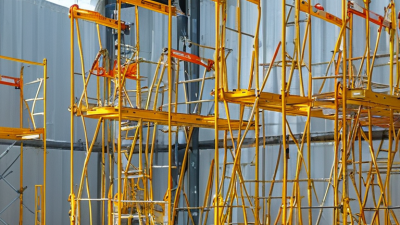
A scaffold can appear stable while one missing guardrail changes the entire risk picture. Small gaps matter. OSHA estimates that 2.3 million workers routinely use scaffolds in the United States. Its Scaffolding eTool also reports approximately 4,500 injuries and 50 deaths annually from scaffold-related incidents. These figures show why practical guidance must support every lift, platform, brace, and access point. A reliable manual should not merely list equipment. It should explain decisions clearly, from ground inspection to final dismantling.
A non stop scaffolding manual can connect technical standards with actions workers can verify on site. It may describe base plates, load limits, edge protection, tying patterns, and inspection records. Clear diagrams can show a safe platform beside a dangerously incomplete one. HSE’s Construction statistics in Great Britain, 2023 to 2024, recorded 51 worker fatalities in construction. One preventable failure is enough. The manual should therefore encourage competent supervision, weather checks, and documented inspections before use. It should also identify when work must stop.
Still, no document replaces professional judgment. Site conditions change quickly. Wind rises. Ground settles. The manual cannot predict every building, material, or crew. That limitation deserves honest attention. This guide will examine why continuous, accessible scaffolding guidance improves consistency, communication, and hazard recognition. It will also consider where written instructions need clarification, local assessment, or specialist engineering input. Practical safety is not achieved by reading alone. It is achieved when workers understand the instruction, question uncertainty, and apply it carefully.
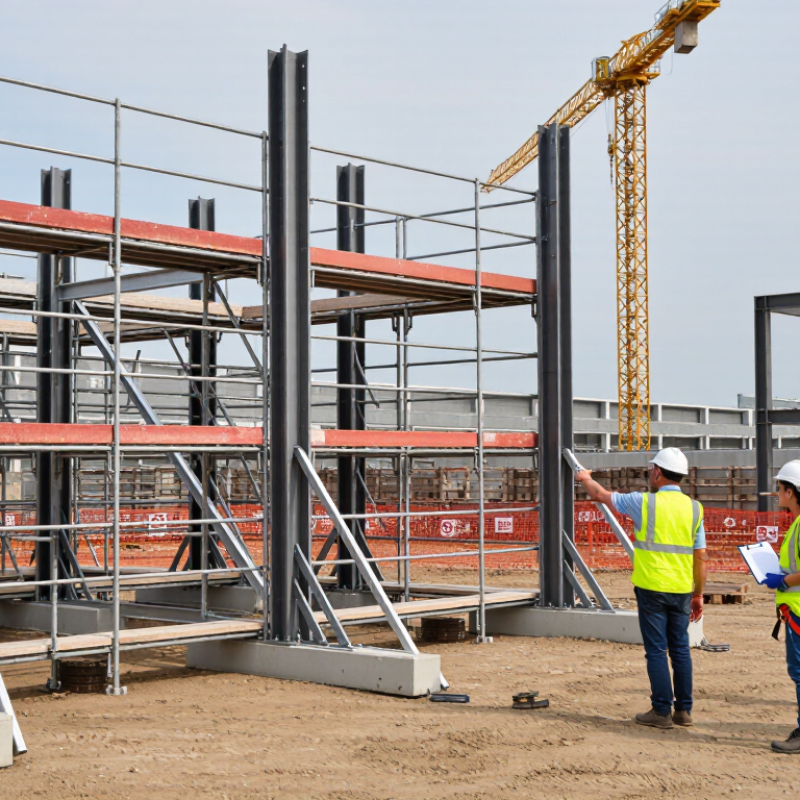
A non-stop scaffolding manual is a living guide for continuous worksite guidance. It supports crews before erection, during use, and after dismantling. Unlike a static booklet, it reflects inspections, weather changes, approved modifications, and site-specific risks. Every revision should show a date, responsible reviewer, and clear change record.
On an active site, workers may check platform access beside a material hoist at 6 a.m. They may review tie locations after strong wind or heavy rain. The manual should provide simple steps for checking base plates, guardrails, toe boards, platforms, and access ladders. It should also explain load limits and what to do when damage appears. Stop and report it.
Practical experience matters here. Supervisors can add photographs, inspection examples, and notes from recurring problems. Short checklists help reduce memory errors during shift handovers. However, a manual cannot replace competent inspection or current safety requirements. It must be reviewed by qualified personnel and matched to the actual structure. A document may look complete and still miss a local hazard. That weakness deserves honest review. Crews should be able to ask questions, record uncertainty, and correct unclear instructions without delay. Reliable guidance is not merely available; it remains understandable when the site becomes noisy, crowded, and pressured.
Why Use a Non Stop Scaffolding Manual?
OSHA estimates that about 2.3 million workers in the United States use scaffolds. That number matters. Each person may face changing heights, weather, materials, and work surfaces during a single shift. A continuously available scaffolding manual gives workers a practical reference before small uncertainties become serious hazards.
On a busy site, a worker may notice a loose plank, missing guardrail, or uneven base near the morning break. The manual should explain inspection points, load limits, access requirements, and safe erection practices in clear language. It should also reflect current OSHA guidance and accepted industry procedures. Supervisors can use it during toolbox talks, while workers can check details beside the scaffold. This supports consistent decisions, especially when several crews share one structure.
Experience shows that written guidance helps, but it is not perfect. A manual cannot replace competent supervision, hands-on training, or careful judgment. Even experienced workers can rush when deadlines tighten. That weakness deserves attention. A useful manual should include diagrams, short checklists, and examples of common mistakes, such as placing a ladder on an unstable platform. It should be reviewed after incidents, near misses, or equipment changes. Some instructions may still feel too general for unusual sites, so teams should record those gaps and improve the next revision.
OSHA reports about 4,500 scaffolding injuries and 50 deaths each year. These figures show that preventable harm remains a serious workplace concern. A non-stop scaffolding manual keeps safety guidance available during planning, assembly, inspection, and daily use. Workers can check load limits, access points, guardrails, and fall protection before small errors become severe incidents.
In practical work, conditions change quickly. Wet boards, uneven ground, missing braces, or rushed modifications can create hidden risks. A clear manual helps supervisors verify each stage with consistent procedures. It also supports training, written inspections, and better communication between crews. Still, a manual cannot replace professional judgment. I have seen workers follow familiar routines too confidently. That habit deserves honest review.
Tips: Keep the manual near the scaffold access point. Use plain inspection checklists. Record damaged components immediately. Confirm the structure after strong winds or major changes. Ask workers to explain the next safe step, not merely sign a form. Short checks matter. They expose uncertainty.
The strongest guidance combines recognized safety standards, field experience, and current site conditions. Diagrams should show real details, such as toe boards, base plates, and safe distances from hazards. Supervisors should update instructions when equipment or work methods change. No document is perfect. A good manual makes that limitation visible and encourages careful questions before work continues.
A non-stop scaffolding manual keeps safety decisions visible from planning through dismantling. It should function as a working record, not a document left in an office. Before erection, identify the load class, working height, ground condition, access route, and nearby hazards. A competent supervisor should review the design against local requirements and the scaffold supplier’s instructions. Check every tube, fitting, platform, guardrail, and base component before assembly. Damaged parts must stay out of service. Small shortcuts become large failures.
During erection, build on firm, level foundations and install bracing, ties, platforms, and edge protection as the approved plan requires. Do not improvise missing components. Inspect each lift as it becomes complete, then record the result, date, weather, and inspector’s name. Before use, confirm safe access, platform decking, guardrails, toe boards, signage, and clearance from electrical hazards. Reinspect after alteration, impact, severe weather, or a long work pause. Workers should report movement, loose fittings, or slippery boards immediately. This sounds repetitive. It is still necessary.
Tips: Keep a waterproof checklist at the access point. Photograph hidden ties before they disappear behind temporary coverings. Mark incomplete areas clearly and prevent entry. During use, control materials and avoid concentrated loads. Dismantle in reverse order, keeping the structure stable at every level. Never drop components. Lower them carefully, inspect them again, and store them by type. The manual should capture mistakes too. A near miss may reveal a weak step before someone gets hurt.
Why Use a Non Stop Scaffolding Manual?
Verify Compliance: OSHA Requires Competent-Person Checks Before Each Shift
A nonstop scaffolding manual keeps inspection steps available when conditions change quickly. OSHA Standard 1926.451(f)(3) requires a competent person to inspect scaffolds before each work shift. The same inspection is required after an event that could affect structural integrity. This is not paperwork alone. It is a practical control against missing altered braces, loose planks, or damaged couplers.
Look closely.
OSHA’s Scaffold Safety Fact Sheet estimates that about 2.3 million construction workers use scaffolds. It also reports approximately 4,500 injuries and 50 deaths each year from scaffold-related incidents. OSHA further attributes 72 percent of injured workers to falls, falling objects, or scaffold components giving way. These figures show why a checklist must match real site conditions, not simply repeat yesterday’s answers.
A competent person should examine base support, access points, guardrails, platforms, ties, and overhead hazards. They should record findings clearly, isolate unsafe equipment, and explain corrections to the crew. A manual can guide this process, but it cannot replace judgment. That distinction is easy to overlook. Weather, vehicle contact, rushed repairs, and unauthorized changes can appear between shifts. Even experienced teams miss details sometimes. That is why the inspection should include direct observation, photographs when useful, and a second review when conditions seem uncertain. Industry safety data and OSHA guidance support a simple principle: verify the scaffold before workers climb it.
Verify Compliance: OSHA requires competent-person checks before each shift and after any occurrence that could affect scaffold structural integrity.
The chart identifies requirements explicitly stated in OSHA's scaffold standard. A value of 1 means the requirement is directly specified; it is not a percentage or frequency estimate.
Source: OSHA 29 CFR 1926.451(f)(3) and 29 CFR 1926.451(f)(7).